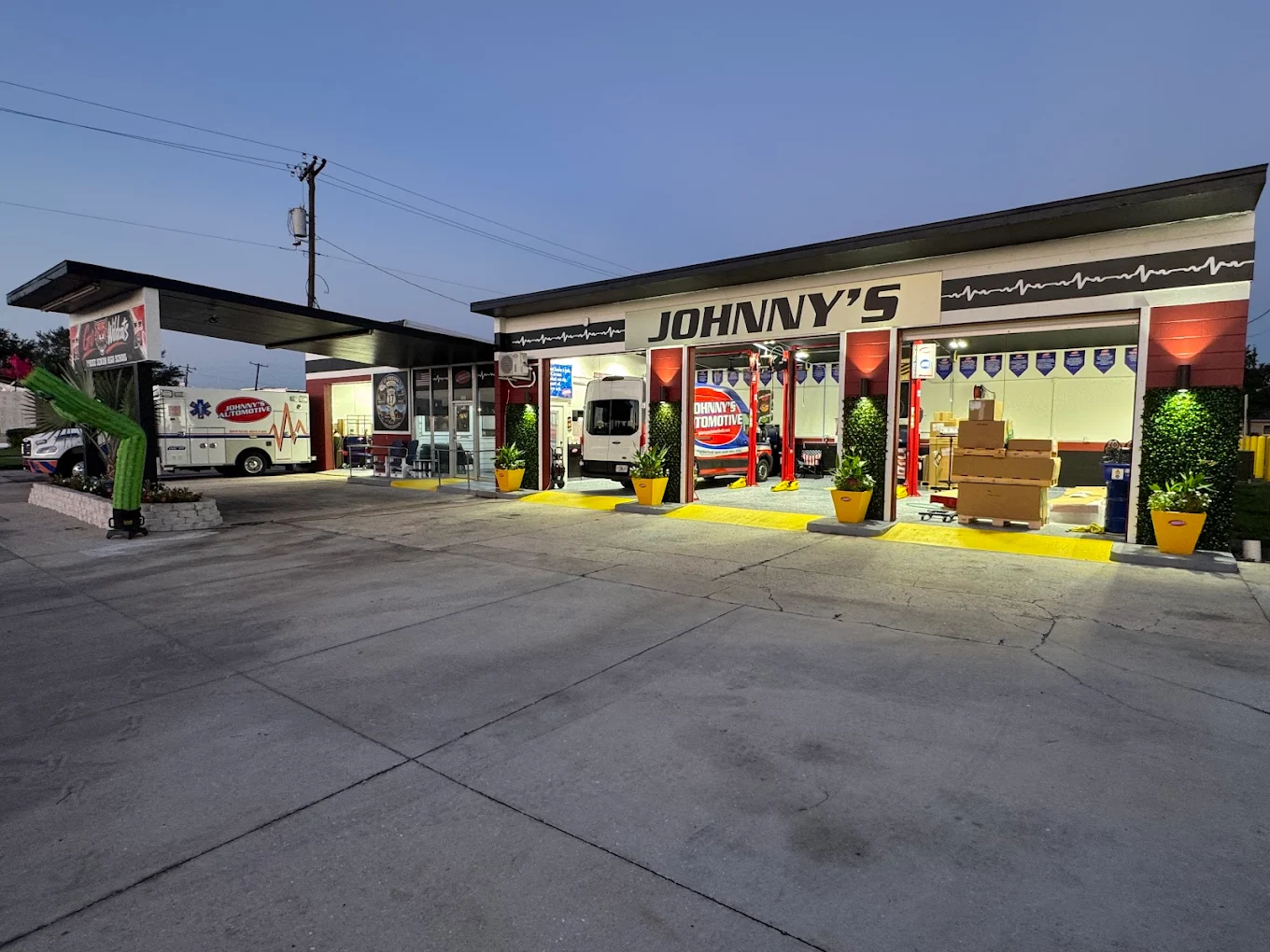
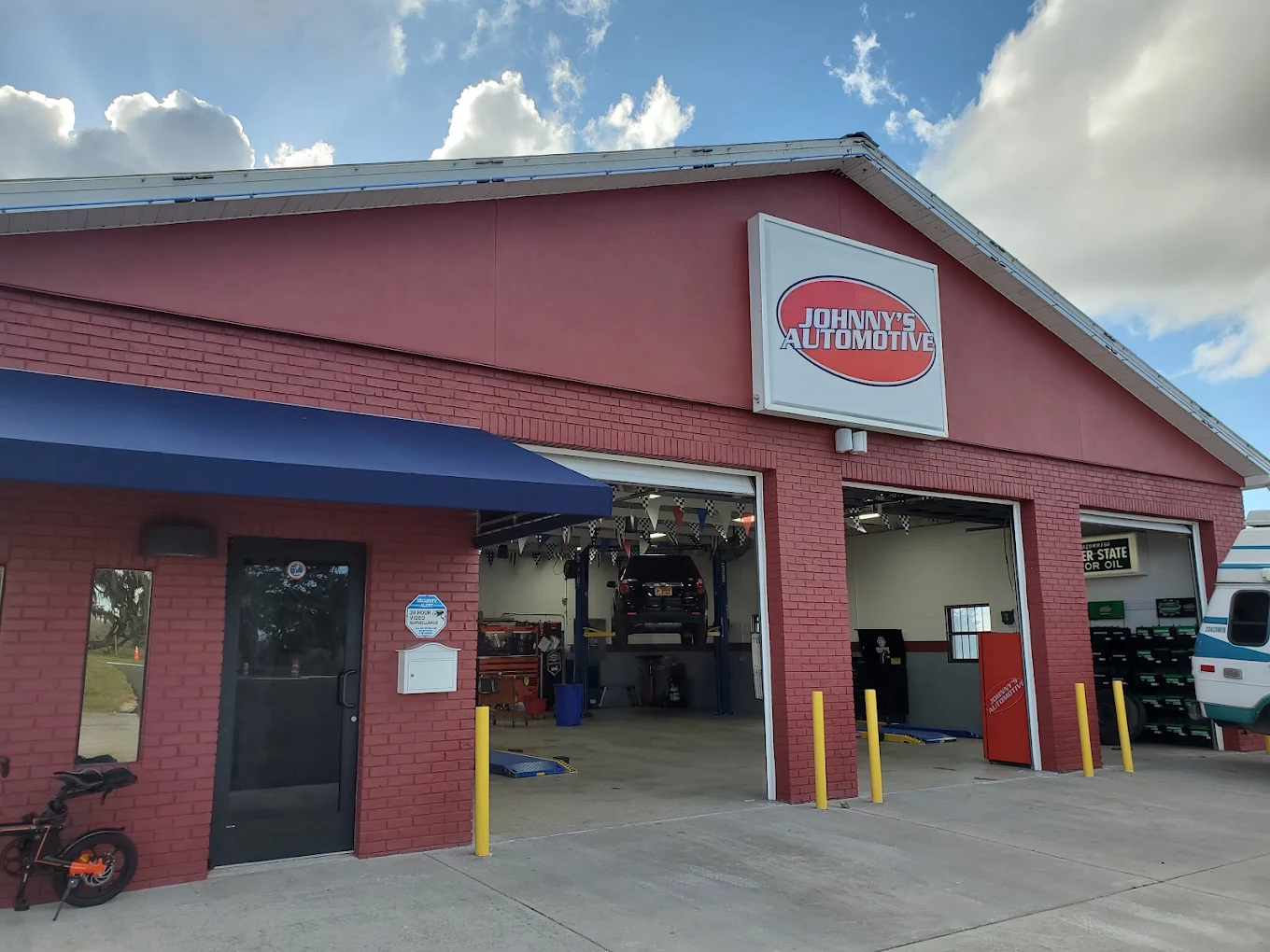
Johnny's AutomotiveJohnny's Automotive
Auto Repair

Brake Repair at Johnny's Automotive

Squealing, pulsing, or a soft pedal? We measure all four corners, send you the photos, and replace only what the numbers say needs replacing.

Find a Location
Same-day serviceLicensed and insured100% satisfaction
Step 1 of 2

How can we help?

Tap the closest match.

When works best? (optional)

How do you know when brakes actually need work?

Brake wear has more to do with how you drive than how far you drive. Around here that means stop-and-go: the light-to-light crawl on US 27, the run through Haines City and Winter Haven where you're on and off the pedal every few hundred feet, school pickup, and a commute that rarely holds a steady speed for long. Two cars with identical mileage can show completely different pad thickness depending on which one lives on the highway and which one runs errands in town. We don't have mountain grades in Central Florida, so brake fade from long descents isn't the issue here. Heat and thousands of small repeated stops are.

A real inspection means the wheels come off. Measuring pad material through a wheel opening misses the things that cause repeat problems: a seized caliper slide pin, rusted hardware clips, a rotor with enough runout to pulse the pedal, or a flex line starting to swell. We measure pad thickness at all four corners, check rotor thickness against the minimum spec, look over the calipers and hardware, and test the fluid.

Pads, rotors, and fluid are three separate calls, and treating them as one package is how people pay for parts they didn't need. Pads are the wear item and come off measurement. Rotors get judged on thickness and surface condition: if there's enough material left and the face is even, resurfacing gives the new pads a true surface to bed into. If a rotor is already near minimum thickness, deeply grooved, or has hard spots from heat, cutting it only makes a thin rotor thinner and it comes back. That one gets replaced. Brake fluid is the piece almost nobody thinks about. It pulls in moisture over time, which lowers its boiling point and softens the pedal, so we test it instead of guessing.

This is where the digital inspection matters most. You get photos on your phone: the actual pad measurement next to the spec, the rotor surface, the caliper. Seeing the difference between a pad at 7 millimeters and one at 2 turns a judgment call into a decision you can make yourself, including the decision to wait until the next oil change. Brake work we do carries a 36 month / 36,000 mile nationwide warranty, so there's no version of this where cutting a corner pays off for us.

If something's squealing, pulsing, or pulling to one side, bring it by. Sometimes the answer is that you have plenty of pad left and the noise is dust or a glazed surface. That's a fine answer too, and you'll see the photos either way.

Across the area

Brake Repair in our service areas

2 recent jobs across 2 cities by our technicians.

Where we work

Choose your shop

Haines City, FL

Haines City, FL

4.9 (2,027)4.9 out of 5, from 2,027 Google reviews

31600 U.S. 27

Brake Repair hereCall (863) 375-7602Directions
Frostproof, FL

Frostproof, FL

4.8 (158)4.8 out of 5, from 158 Google reviews

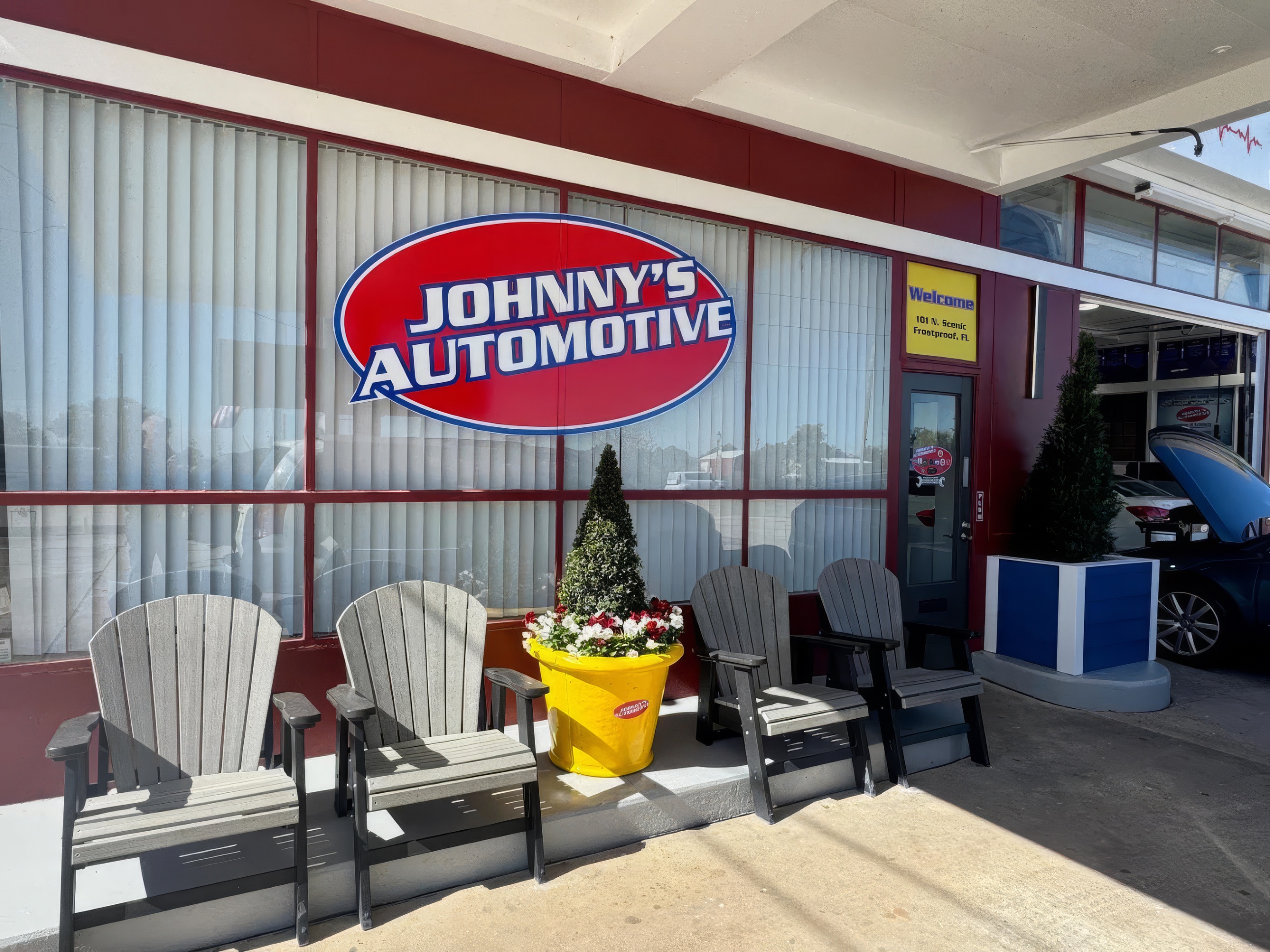
101 North Scenic Highway

Brake Repair hereCall (863) 328-4676Directions
Lake Wales, FL

Lake Wales, FL

4.8 (525)4.8 out of 5, from 525 Google reviews

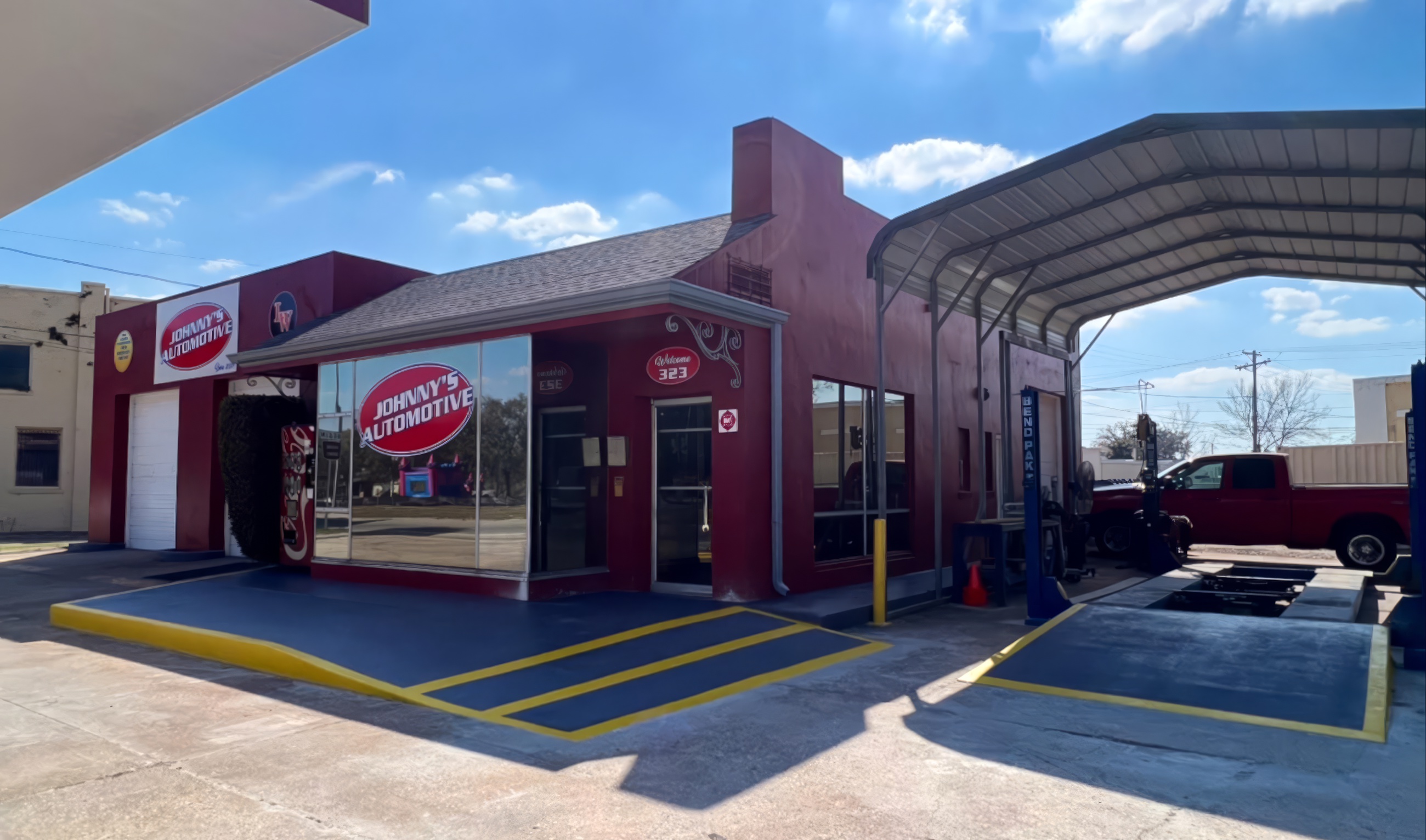
323 North Scenic Highway

Brake Repair hereCall (863) 268-8286Directions
Sebring, FL

Sebring, FL

4.6 (166)4.6 out of 5, from 166 Google reviews

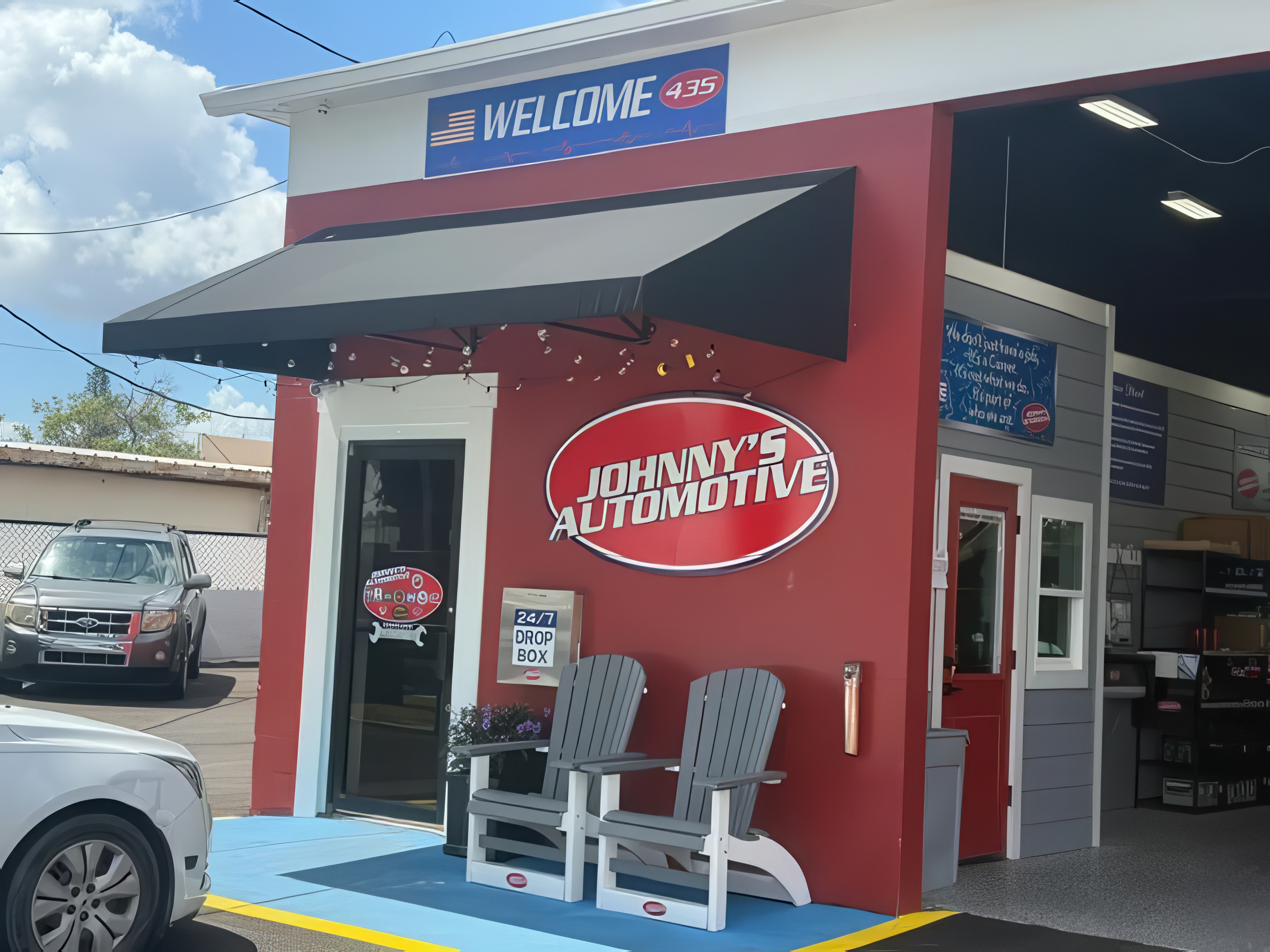
435 North Orange Street

Brake Repair hereCall (863) 264-2555Directions
Wauchula, FL

Wauchula, FL

5.0 (13)5.0 out of 5, from 13 Google reviews

201 North 6th Avenue

Brake Repair hereCall (863) 222-3947Directions
Winter Haven, FL

Winter Haven, FL

4.8 (568)4.8 out of 5, from 568 Google reviews

5100 Dundee Road

Brake Repair hereCall (863) 766-1132Directions
Diagnostics

Problems we fix

Our experts diagnose and resolve any issue.

Grinding when you come to a stop

Most often the pad has worn past its friction material and metal is now riding on metal, though a stone caught behind a dust shield can fake it convincingly. Either way it's a wheels-off look, because the two have very different repair bills.

Steering wheel shakes under braking

That shudder is usually uneven rotor thickness, which builds up gradually as pad material transfers to the rotor in patches rather than an even film. A dial indicator on the hub tells us whether the rotor is the problem or a worn wheel bearing or suspension part is.

Pedal sits lower than it used to

If you're pressing further than you remember to get the same stop, something in the hydraulic system has changed: air in the lines, a weeping caliper or hose, or a master cylinder bypassing internally. We pressure test rather than guess, since a low pedal and a spongy pedal point in different directions.

The car pulls to one side when you brake

A pull under braking usually means one side is doing more work than the other, often from a caliper that isn't releasing cleanly or a hose restricting flow back from it. Comparing pad wear left to right at the same axle usually shows it right away.

A steady squeal that won't go away

Older pads have a small metal tab that starts singing on purpose once the material gets thin, and it's meant to be annoying enough that you look into it. Glazed pads and missing anti-rattle hardware make similar noise, so the measurement decides which one you're hearing.

One wheel runs hotter or dirtier than the rest

If one wheel is coated in brake dust or the hub is noticeably warmer after a drive, that corner is probably dragging from a sticking caliper or dry slide pins. Caught early it's often service and hardware, not a full replacement.

FAQ

Brake Repair questions, answered

Common questions about our brake repair services.

How long do brake pads last?

Mileage isn't a reliable answer, which is why we won't give you one. A truck that tows and a car that spends its life on the highway can come in the same week with completely opposite wear. What matters is the measurement, and we check pad thickness at all four corners on every visit so you can watch it come down over time instead of finding out from a noise.

Do I need new rotors every time I replace the pads?

No. Rotors are a thickness and condition call, not an automatic add-on. If there's enough material left above the manufacturer's minimum and the surface is even, resurfacing gives the new pads a true face to bed into and the rotor stays on the car. We replace rotors when they're near minimum thickness, deeply grooved, cracked, or heat spotted, and we show you the measurement either way.

Why are my new brakes squeaking?

Some noise in the first few hundred miles is normal while fresh pads bed in and transfer an even layer of material to the rotor. A light squeal on the first stop of a humid morning is usually surface rust burning off the rotor face, and it clears in a stop or two. What isn't normal is a squeal that's still there weeks later, or any grinding. Bring it back and we'll pull the wheels and look.

What determines the cost of a brake job?

Mostly four things: which axle needs the work, whether it's pads only or pads and rotors, whether the rotors can be resurfaced or need replacing, and what the vehicle takes (some newer cars need a scan tool to retract an electronic parking brake before the pads come out). Calipers and hoses only get added when they're actually failed. That's why the inspection comes first: we measure, send you the photos, and give you a number to approve before anything gets touched.

Can I keep driving if my brakes are grinding?

Grinding usually means the friction material is gone and the pad backing is riding on the rotor. The car will still stop, but it takes longer, and every stop is cutting the rotor deeper, which turns a pad replacement into pads and rotors. It's worth getting in soon rather than driving on it for another month.

Request an Appointment

Step 1 of 2

How can we help?

Tap the closest match.

When works best? (optional)

ASE Certified Technicians

ASE certified techs working on your vehicle

Flexible Drop-Off Hours

Convenient service options

20+ Years

Decades of trusted service