

Radiator Repair at Johnny's Automotive
Coolant puddle up front, crusty seams, or an engine that stays hot with the coolant full. We check the radiator itself and give you a straight repair or replace answer.
Recent Radiator Repair work across our shops
Lake Wales
Running Hot With a Funny Smell: What Was the Cause?
The technician at our Lake Wales shop tested the vehicle for the overheating and coolant loss concern.
Read the full jobWinter Haven
Why Is My Car Overheating After Hitting Debris?
The vehicle's cooling system was restored, resolving the overheating issue.
Read the full jobFrostproof
What Caused the Coolant Leak in My Vehicle?
The vehicle was returned to the owner with no further signs of a coolant leak.
Read the full jobSebring
Steam Under the Hood After a Recent Radiator Replacement
The technician started with a no-charge initial assessment and updated the service manager within 30 minutes.
Read the full job
How do I know it's the radiator and not something else?
The radiator is the part of the cooling system that actually gets rid of heat. Hot coolant comes in at the top, spreads across a core of thin tubes and fins, and the air moving through those fins carries the heat away. It's a heat exchanger, and when it stops exchanging heat, everything upstream of it looks like it's failing too.
Radiators fail in a few predictable ways. Most modern radiators use plastic end tanks crimped to an aluminum core with a gasket in between, and enough heat cycles will eventually make that seam weep or crack the tank outright. The core gets restricted from the inside when old coolant breaks down and leaves deposits, so coolant still flows but heat transfer drops off. And the face of the radiator gets wrecked from the outside by road debris, bugs, and packed mud, which is easy to confirm with a light through the grille.
A few symptoms point at the radiator specifically rather than somewhere else in the loop. A puddle near the front center of the vehicle. Dried coolant crust along the top or bottom seam. Overheating that's steady rather than intermittent. And a radiator that stays hot at the top while the bottom hose barely warms, which suggests flow is being choked inside the core. The opposite pattern, an engine that's hot while the whole radiator stays cool, usually means coolant isn't being circulated at all, and that's a water pump conversation instead.
On repair versus replacement, you'll get the honest answer for your vehicle. A cracked plastic end tank isn't a repair, it's a replacement. Light fin damage often isn't worth touching at all. Some older all-metal radiators can still be cleaned out or repaired by a shop that does that work. We'll show you photos of what we found, tell you which category you're in, and let you decide, rather than defaulting to the biggest ticket. Radiator work is backed by our 36 month, 36,000 mile nationwide warranty.
Radiator Repair in our service areas
4 recent jobs across 4 cities by our technicians.
Frostproof
Recent work
- What Caused the Coolant Leak in My Vehicle?
Lake Wales
Recent work
- Running Hot With a Funny Smell: What Was the Cause?
Sebring
Recent work
- Steam Under the Hood After a Recent Radiator Replacement
Winter Haven
Recent work
- Why Is My Car Overheating After Hitting Debris?
Choose your shop
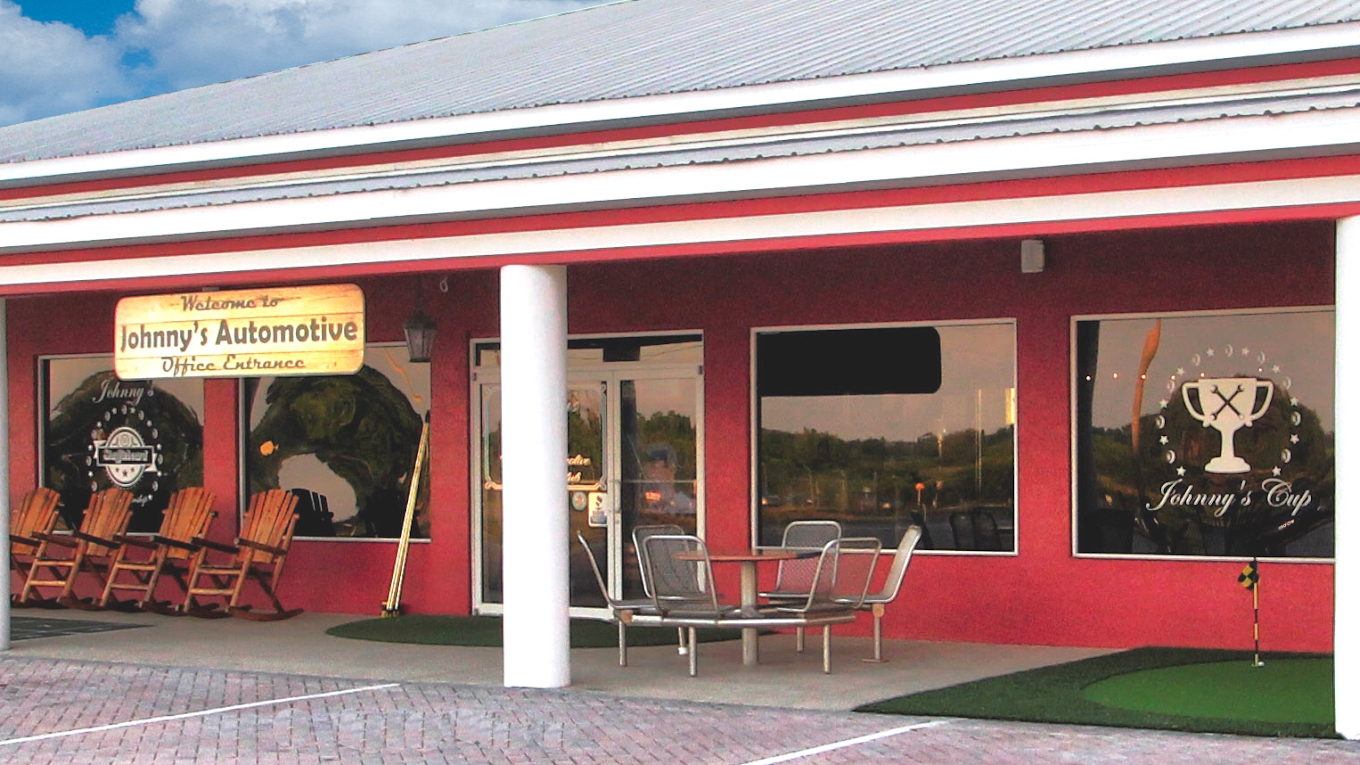
Haines City, FL
4.8 (2,060) as of Oct 20264.8 out of 5, from 2,060 Google reviews, as of October 2026
31600 U.S. 27
Mon to Fri, 7:30 AM to 5:30 PM
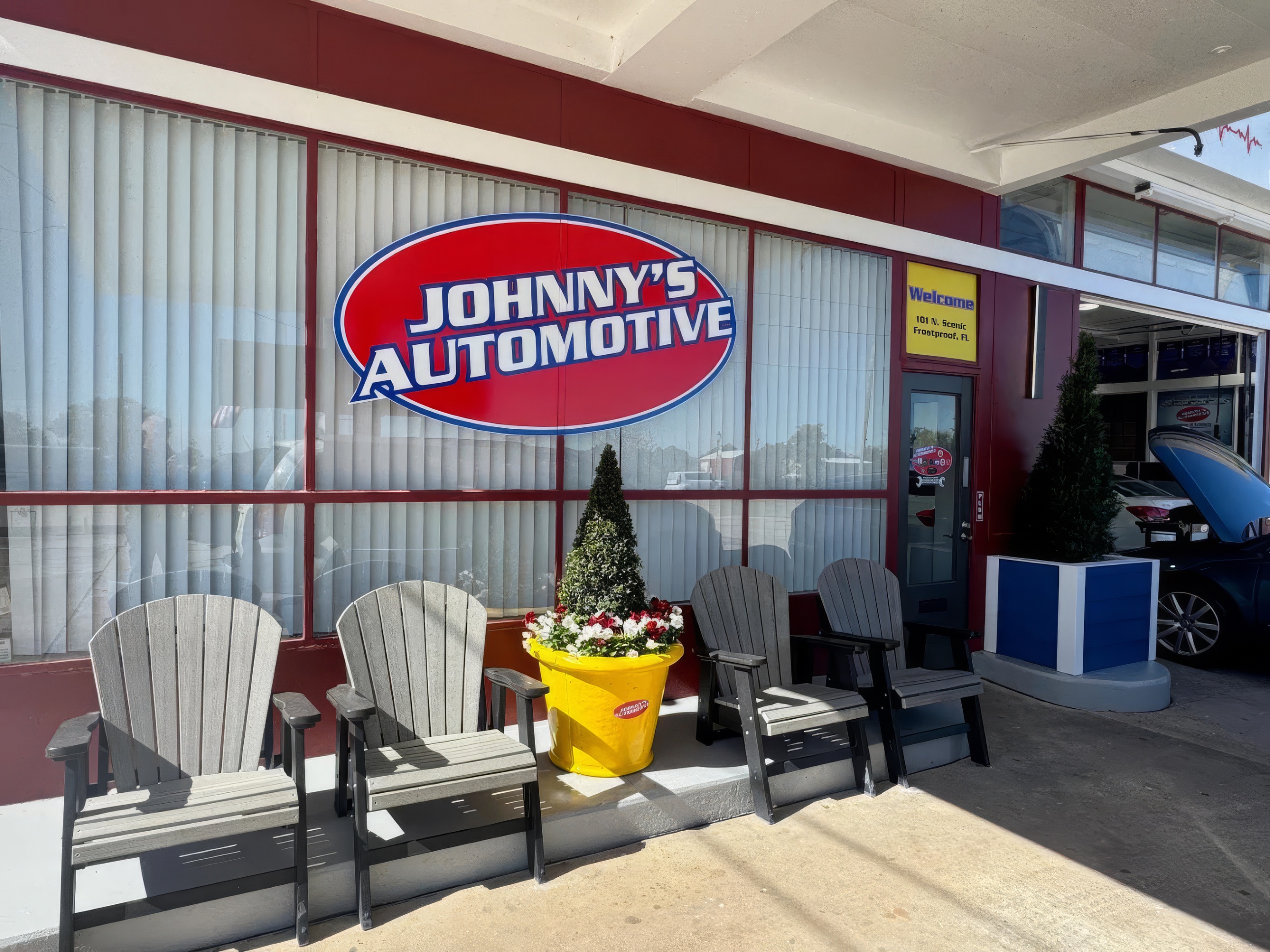
Frostproof, FL
4.8 (161) as of Oct 20264.8 out of 5, from 161 Google reviews, as of October 2026
101 North Scenic Highway
Mon to Fri, 7:30 AM to 5:30 PM
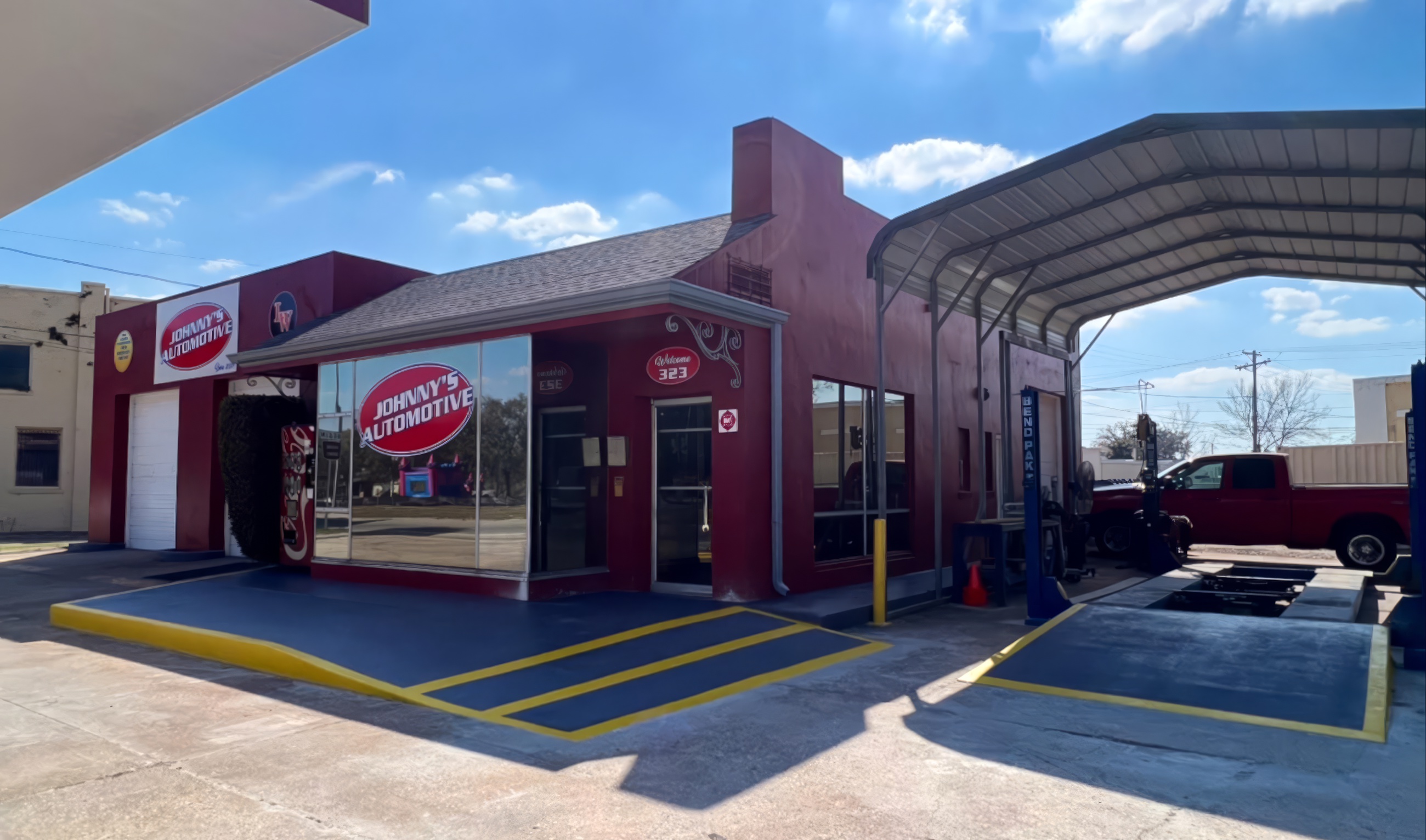
Lake Wales, FL
4.8 (537) as of Oct 20264.8 out of 5, from 537 Google reviews, as of October 2026
323 North Scenic Highway
Mon to Fri, 7:30 AM to 5:30 PM
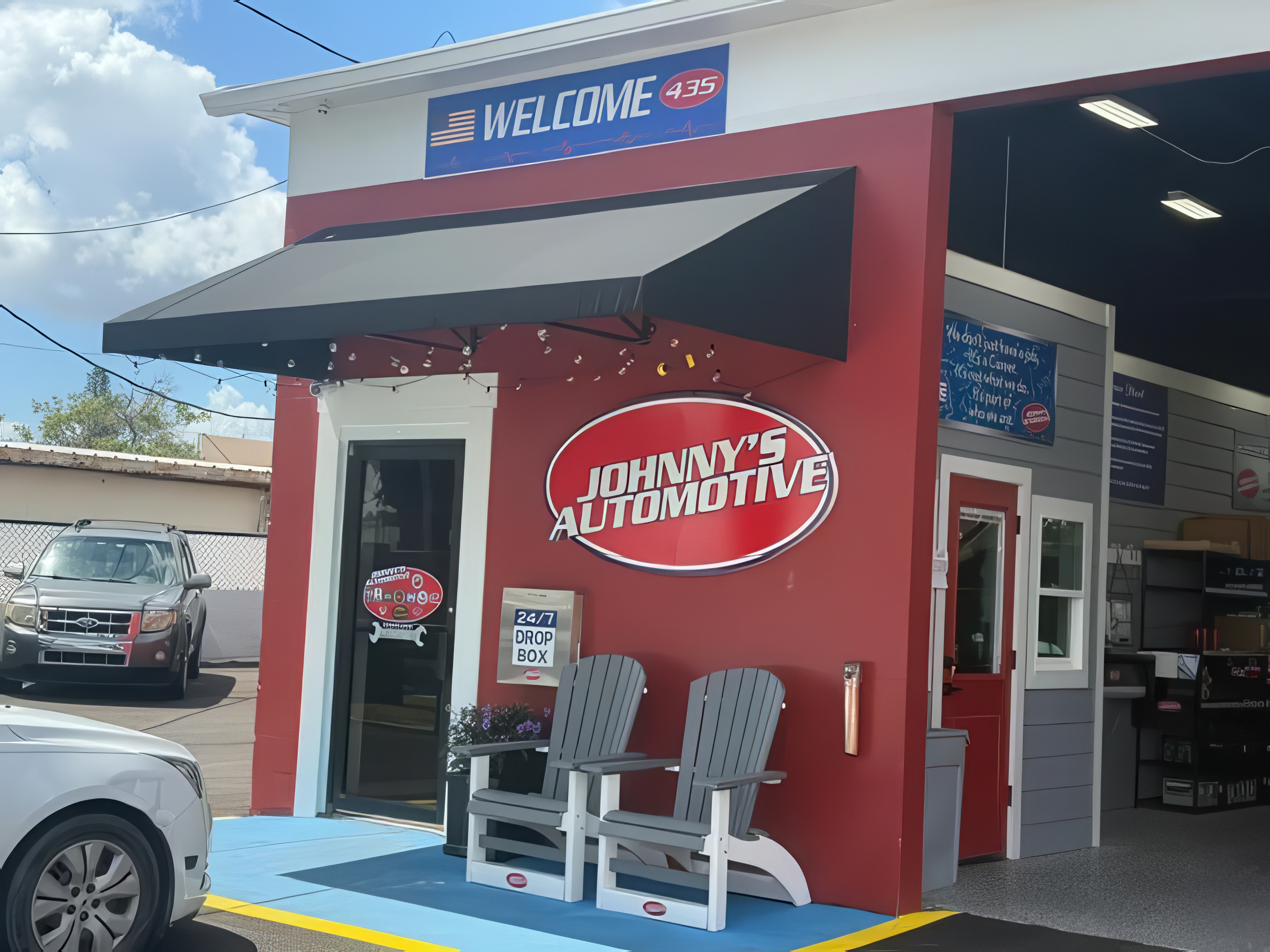
Sebring, FL
4.6 (170) as of Oct 20264.6 out of 5, from 170 Google reviews, as of October 2026
435 North Orange Street
Mon to Fri, 7:30 AM to 5:30 PM
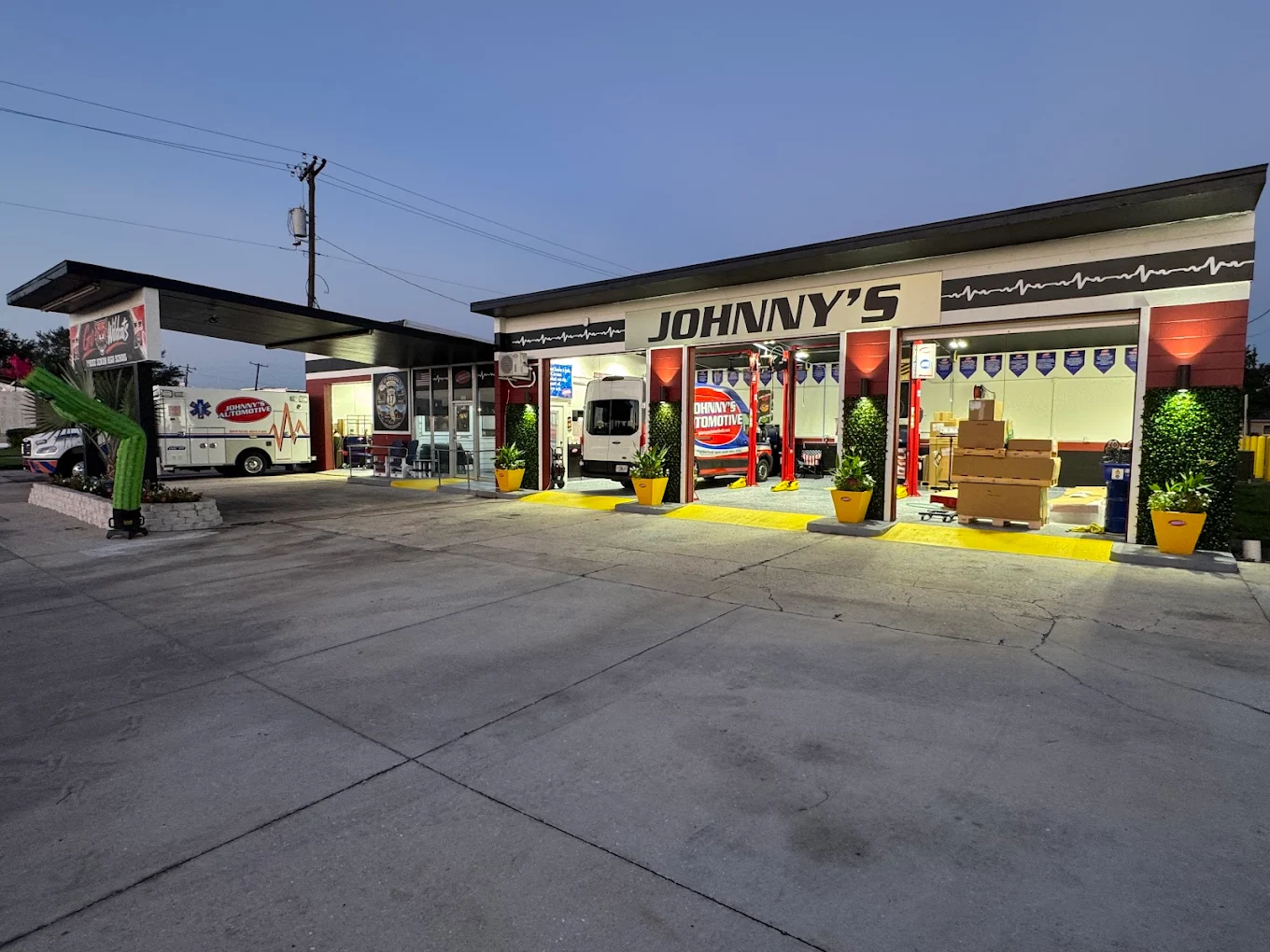
Wauchula, FL
4.9 (31) as of Oct 20264.9 out of 5, from 31 Google reviews, as of October 2026
201 North 6th Avenue
Mon to Fri, 7:30 AM to 5:30 PM
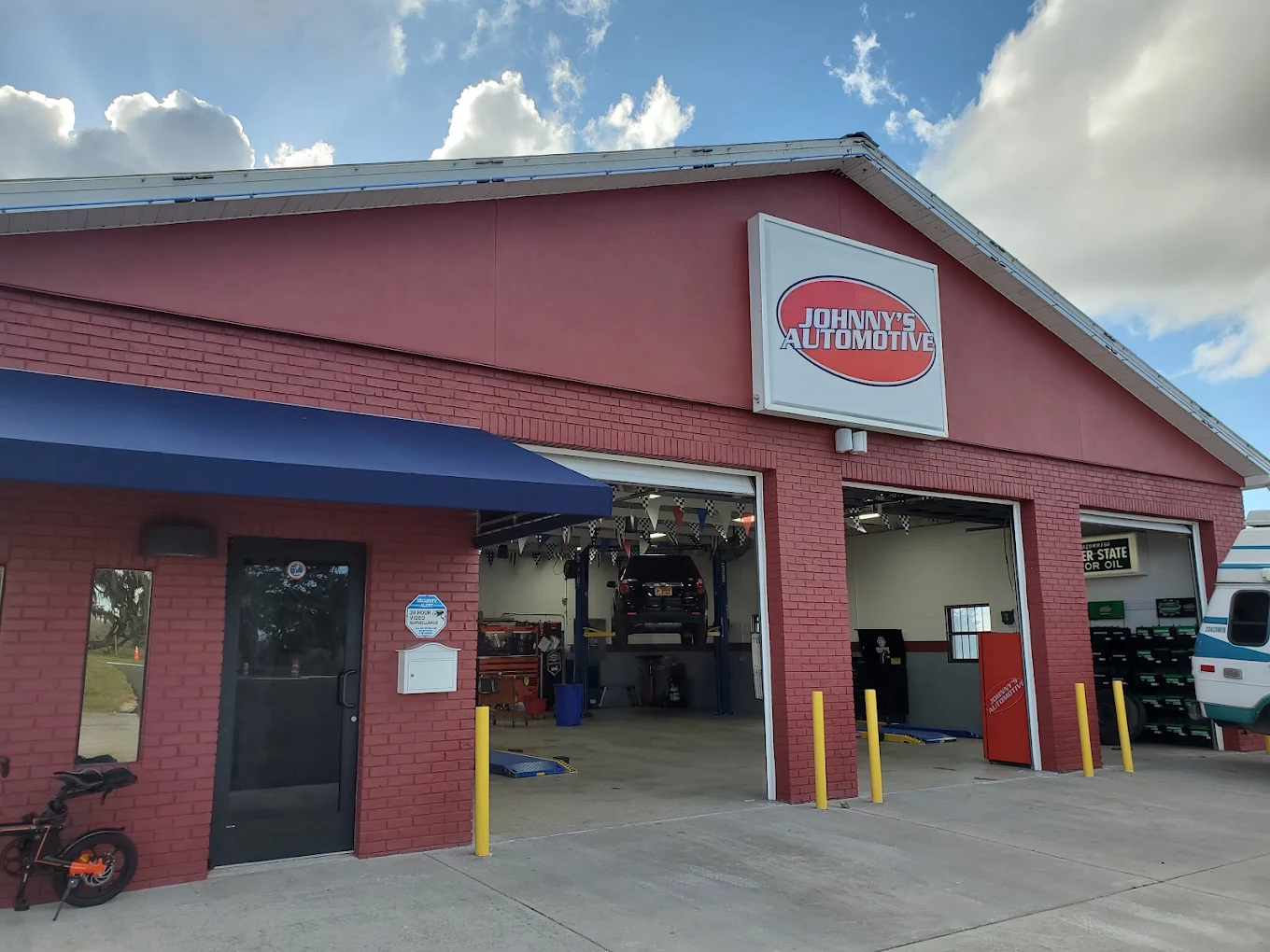
Winter Haven, FL
4.8 (586) as of Oct 20264.8 out of 5, from 586 Google reviews, as of October 2026
5100 Dundee Road
Mon to Fri, 7:30 AM to 5:30 PM
Problems we fix
Our experts diagnose and resolve any issue.
Colored puddle under the front of the vehicle
Radiator leaks tend to drip near the front center, ahead of the engine. The color depends on the coolant your vehicle uses, and where it lands tells us where to start looking.
White or crusty residue along the top or bottom seam
That's dried coolant left behind by a slow seep, most often where a plastic end tank meets the aluminum core. It means the leak has been working on that seam for a while.
Engine overheats with full coolant and working fans
A restricted core lets coolant through but can't shed the heat. Old or contaminated coolant leaves deposits inside the tubes, and once enough of them are plugged the radiator falls behind.
Bent, packed, or missing fins visible through the grille
Bugs, mud, and road grit block the air the radiator needs, and debris strikes flatten the fins outright. Sometimes a careful cleaning solves it, sometimes the damage has gone too far.
Overheating that started right after hitting road debris
A rock or a piece of tire tread can puncture a tube or crush a section of core without leaving a mark anywhere else on the car. This one is usually obvious once we get a light behind the grille.
What customers say about our radiator repair work
I work out of town and had a cracked radiator. Johnnys automotive not only got me a new radiator but also made sure I could get to the jobsite. Top notch service would recommend to anyone
Phillip Sierputowski
Verified Google Review
So so I had a company truck go down yesterday morning due to a radiator leaking when I got out into the hotel parking lot. I called around to multiple other shops/dealerships and they told me it would be 2 to 3 days before they could even look at the truck. I called Johnny’s and told them my situation and that it’s a work vehicle and when is down the company doesn’t make money they got me in that morning. Had a diagnosed and fixed in the same day. I would recommend this shop to anyone in the area of Sebring or surrounding their customer. Service was great and took well care of me thank you to all of the employees that helped me get my vehicle back on the road. If I’m in the area I’m definitely bringing my work trucks here. I’ll
Josuha Rushing (TMSTANCE_903)
Verified Google Review
I can’t say enough great things about this shop. They previously replaced my radiator and engine mounts, and most recently diagnosed and fixed a cracked oil filter housing on my BMW 530i. They even did the oil change, which I really appreciated. Joel is so honest, knowledgeable, and took the time to explain what was going on so I felt confident in the repair. The work was done quickly and professionally, and my car is running great again. It’s hard to find a shop you can truly trust, but this one has earned my business for life. Highly recommend!
M F
Verified Google Review
My vehicle sustained a radiator leak, The people at Johnnys Automotive were so polite and professional, they repaired my vehicle in a remarkably timely frame at a fair cost. Mike greeted me when i arrived and was very informative and kind, and because of this,They are now my vehicle permanent mechanics. Thank you all so much.
tony gonzalez
Verified Google Review
Very polite and relaxed & clean atmosphere. Returned for a radiator flush and differential oil replacement. Satisfied. Inspected my vehicle with photos. Planning to return to get those items fixed.
Michael King
Verified Google Review
The staff is nice and friendly, I need a new radiator, evidently they did it as fast as they can. They got it Tuesday. And I got it back Thursday. I even had a rose on my steering wheel car backed in keys in it, ready to go thanks guys. And I got a oil change, too. I just wish they would have put air in my tires, the light is still on. But nothing else to complain about.
Craftydevil
Verified Google Review
More auto repair services
Explore our other auto repair services.
Brake Repair
Squealing or grinding brakes? Complete brake inspection, pads, rotors, and fluid service for safe stopping power.
Learn moreBattery Service
Avoid getting stranded with professional battery testing, terminal cleaning, and replacement using reliable, warranty-backed batteries.
Learn moreEngine Repair
From minor fixes to major overhauls, our ASE-certified mechanics diagnose and repair engine problems of all types and complexities.
Learn moreRadiator Repair questions, answered
Common questions about our radiator repair.
Can a radiator be repaired instead of replaced?
Sometimes. Older all-metal radiators can occasionally be cleaned out or repaired. Most radiators on newer vehicles use plastic end tanks, and once one of those cracks or the seam lets go, replacement is the only fix that holds. We'll tell you which kind is in your car before you spend anything.
Is a bottle of stop-leak worth trying first?
We don't recommend it. Those products work by clogging things, and they can't tell the difference between the pinhole you want plugged and the heater core or thermostat you don't. It can turn a radiator job into a much bigger one.
Why is my radiator leaking when the car isn't that old?
Heat cycles wear a radiator out, not miles. Central Florida heat plus a lot of idling puts the plastic and the gaskets through more cycles at higher temperatures than the same car would see somewhere cooler. Age in years often matters more here than the odometer.
Do the hoses and cap have to be replaced at the same time?
Not automatically. We check them while everything is open, because a swollen hose or a cap that won't hold pressure will undo a new radiator quickly. If they test fine, we leave them alone and tell you so.
How do you make sure the air is out after a replacement?
We refill with the coolant your vehicle specifies and bleed the system through its designated points, then run it up to temperature and verify the fans and the cap. Air pockets left in a fresh system cause overheating that looks exactly like a bad repair, so that step isn't optional.
Request an Appointment
ASE Certified Technicians
ASE certified techs working on your vehicle
Flexible Drop-Off Hours
Convenient service options
20+ Years
2 decades of trusted service