

Vibration Diagnosis at Johnny's Automotive
Where and when a car shakes is the diagnosis. We road test it at speed, in gear, braking and coasting, then narrow the vibration to one system and show you.
Recent Vibration Diagnosis work across our shops
Haines City
Extremely Rough Idle When Stopped: What Was Causing It?
At our Haines City shop, the technician treated vibration as the main concern on this vehicle.
Read the full jobHaines City
Vehicle Shaking at 30 MPH Even in Neutral
Because the shaking continued in neutral, the technician looked at both the tires and the driveshaft.
Read the full job
Why does my car shake, and what does it mean?
When a vibration shows up tells us more than what it feels like. Shake has four common homes, and they sort cleanly once you pay attention to the conditions instead of the sensation.
A vibration that arrives at a certain speed and changes as the speedometer moves is turning with the wheels: tire balance, a tire with a shifted belt, a bent wheel, or worn suspension parts letting it come through. A vibration you only feel through the brake pedal or the steering wheel while stopping belongs to the brake system, and the detail on brake pulsation lives on our brake repair page. Shaking that shows up sitting at a light in drive and calms down in park or neutral points at engine mounts or an engine that isn't running evenly under load. A vibration that appears under acceleration and vanishes the second you lift off is driveline: axles, CV joints, and the parts that only load up when power is going through them.
That's why the road test is the real tool here. We drive it and change one thing at a time. Hold a steady speed. Brake lightly from that same speed. Coast in neutral through it. Accelerate hard through the same range. Sit in gear at idle and then in neutral. Each of those either reproduces the vibration or eliminates an entire branch, and by the time the car goes on the lift we know what we're inspecting instead of hunting.
More than one thing can be true at once, and that's worth knowing before you spend anything. You get the named cause, photos of what we found sent to your phone, and a written quote. Deciding on the repair comes after that, separately.
Vibration Diagnosis in our service areas
2 recent jobs across 1 city by our technicians.
Choose your shop

Haines City, FL
4.8 (2,061) as of Oct 20264.8 out of 5, from 2,061 Google reviews, as of October 2026
31600 U.S. 27
Mon to Fri, 7:30 AM to 5:30 PM

Frostproof, FL
4.8 (162) as of Oct 20264.8 out of 5, from 162 Google reviews, as of October 2026
101 North Scenic Highway
Mon to Fri, 7:30 AM to 5:30 PM
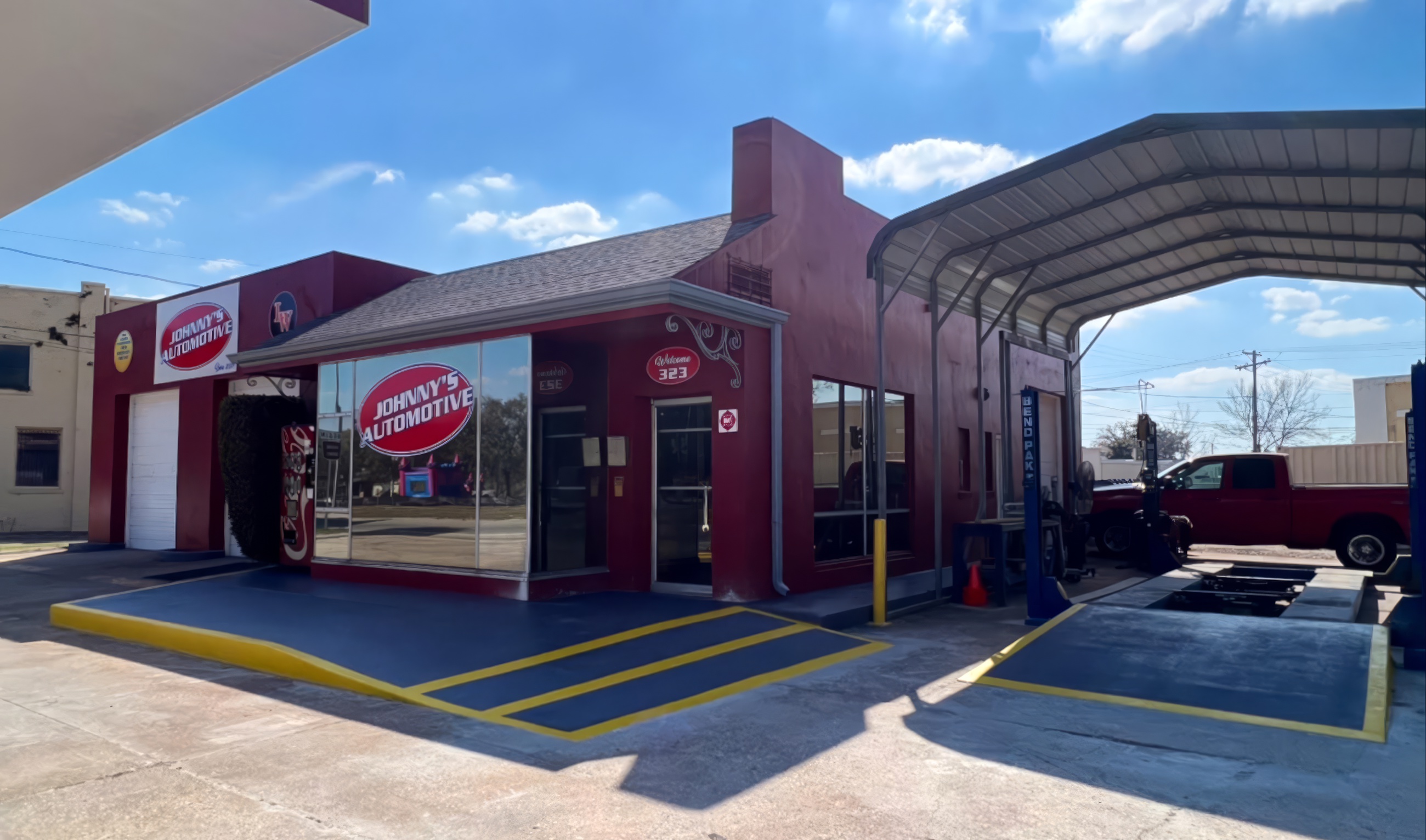
Lake Wales, FL
4.8 (538) as of Oct 20264.8 out of 5, from 538 Google reviews, as of October 2026
323 North Scenic Highway
Mon to Fri, 7:30 AM to 5:30 PM

Sebring, FL
4.6 (171) as of Oct 20264.6 out of 5, from 171 Google reviews, as of October 2026
435 North Orange Street
Mon to Fri, 7:30 AM to 5:30 PM

Wauchula, FL
4.9 (31) as of Oct 20264.9 out of 5, from 31 Google reviews, as of October 2026
201 North 6th Avenue
Mon to Fri, 7:30 AM to 5:30 PM
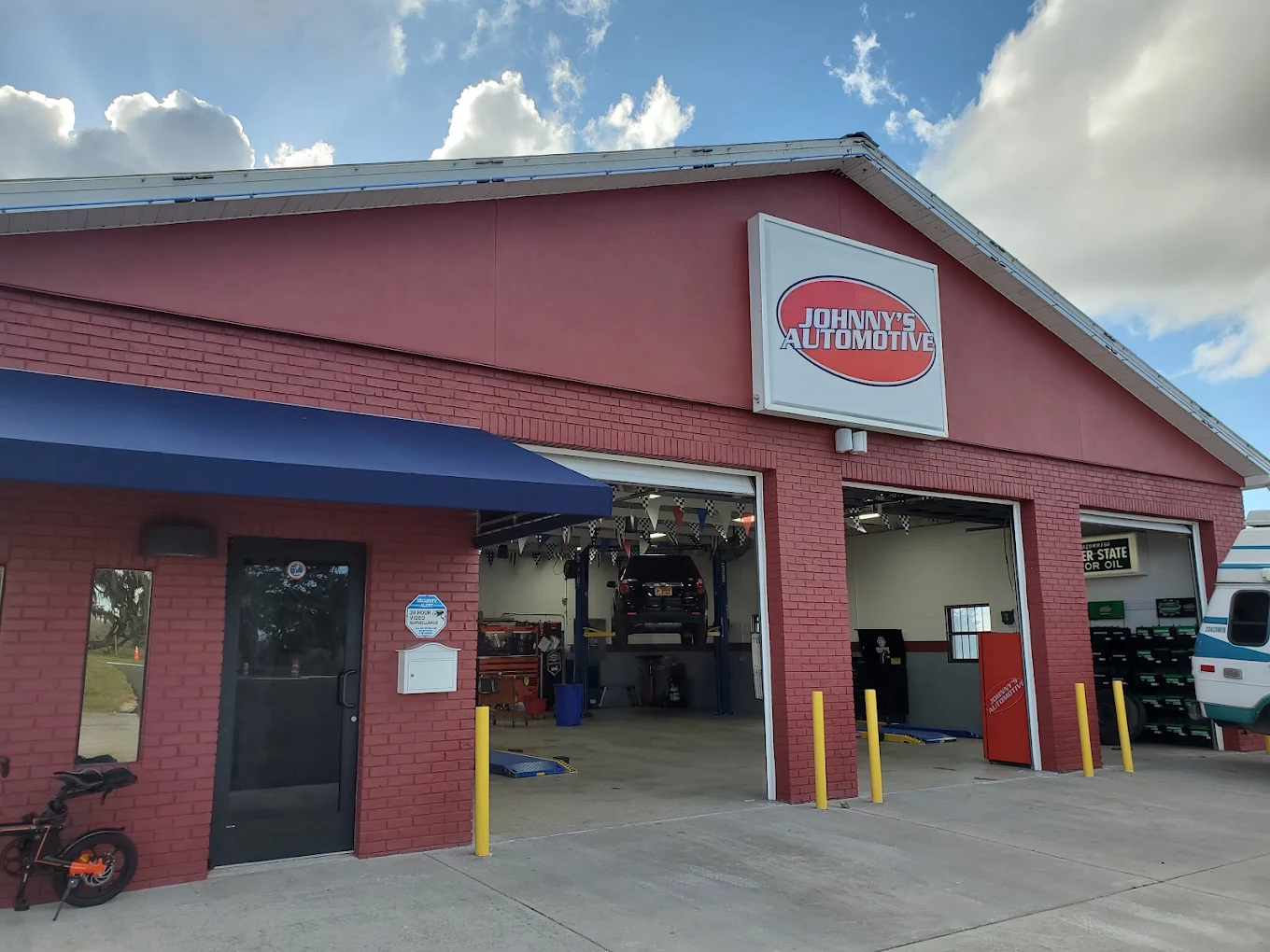
Winter Haven, FL
4.8 (586) as of Oct 20264.8 out of 5, from 586 Google reviews, as of October 2026
5100 Dundee Road
Mon to Fri, 7:30 AM to 5:30 PM
Problems we fix
Our experts diagnose and resolve any issue.
It shakes on the highway and smooths out when I slow down
Speed sensitive vibration is almost always something rotating with the wheels. Wheel balance is the common answer, and a tire with a separated belt, a bent wheel, or a worn suspension part can produce the same feel, so we inspect rather than assume balance.
The steering wheel pulses when I hit the brakes
A shake that only exists while braking is coming from the brake system, usually rotor thickness variation or a hub and rotor mating problem. We measure it instead of eyeballing it, and the fix side lives with our brake work.
It shudders at a red light and stops when I shift to park
That change between drive and neutral is the tell. Load is being put through the mounts, so a collapsed or torn engine or transmission mount shows up. An engine that's running a little rough at idle produces a similar shake, and live data separates the two.
It vibrates when I accelerate and goes away when I coast
Vibration that depends on power rather than speed points to the driveline. Worn CV joints, a failing axle, or driveline angle problems only shake when they're loaded, which is why they feel like they disappear the moment you lift off the pedal.
I feel it in the seat, not the steering wheel
Where you feel it narrows the end of the car. Vibration through the seat and floor usually comes from behind you, and vibration through the steering wheel usually comes from the front. It's not a perfect rule, but it saves time at the start of a road test.
It started right after I got new tires
New tires bring a few honest possibilities: balance, a defective tire, wheel weights that came off, or lug nuts that weren't torqued evenly. Timing like that is useful information, so tell us, and we'll check the simple things first.
More computer diagnostics services
Explore our other computer diagnostics services.
Check Engine Light
Check engine light on? We pinpoint the exact cause with advanced diagnostics and provide clear repair options, no guesswork.
Learn morePre-Purchase Inspection
Buying a used car? Our thorough multi-point inspection uncovers hidden problems so you can buy with confidence.
Learn moreVehicle Inspection
Learn moreVibration Diagnosis questions, answered
Common questions about our vibration diagnosis services.
Why do you need to road test it?
Because a vibration that only exists at 62 miles per hour cannot be found in the parking lot. The road test is where we change speed, gear, and braking one at a time to see what makes it appear and what makes it stop. That's what turns a shake into a short list.
Does it matter whether I feel it in the seat or the wheel?
It helps a lot. Steering wheel vibration tends to come from the front of the car and seat or floor vibration tends to come from the rear, which cuts the search area roughly in half before we've driven it. Tell us both what you feel and where.
Can I keep driving a car that vibrates?
It depends on what's causing it, which is the point of diagnosing it. A mild balance issue is a comfort problem, while a failing axle or a loose suspension component is a safety problem, and they can feel similar from the driver's seat. If the shake is getting worse quickly or comes with a noise or a pull, get it in sooner.
Could there be more than one cause at the same time?
Often, yes. A car with 120,000 miles can have a tire out of balance and a worn mount, and fixing one leaves you still feeling the other. We tell you everything we find and what's contributing most, so you can decide what to address first.
Why not just balance the tires and see if that fixes it?
Sometimes that's genuinely the right first move and we'll say so. But balancing a car whose vibration only happens under acceleration is spending money on a test we could have run for free during a road test. We would rather narrow it first.
Request an Appointment
ASE Certified Technicians
ASE certified techs working on your vehicle
Flexible Drop-Off Hours
Convenient service options
20+ Years
2 decades of trusted service