

Overheating Diagnosis at Johnny's Automotive
Pull over, shut it off, and don't open the cap while it's hot. Then we pressure test and work the cooling system in order to find out why it got hot.
Recent Overheating Diagnosis work across our shops
My temperature gauge is climbing. What should I do?
The moment the needle heads for the red, get off the road and shut it off. Heat damage happens quickly, and the difference between a cooling system repair and an engine repair is often the few miles somebody drove after the gauge went up. Pull over somewhere safe, turn the key off, and pull the hood latch so heat can escape.
Don't open the radiator cap or the coolant reservoir while it's hot. That system is under pressure, and opening it hot sprays scalding coolant. Everything needs to be cool enough to touch first, and that takes longer than it feels like it should.
Then have it towed. Limping it in feels like the cheaper choice and it usually isn't. A car that overheated once and was shut off is normally a cooling system conversation. A car driven until it stopped is a different one.
Once it's here, the order is the same every time. Pressure test the system to see whether it holds and where coolant is escaping. Check the cap, because a cap that won't hold its rated pressure drops the boiling point all by itself. Confirm the thermostat opens at the right temperature instead of assuming it's stuck. Watch the fans actually come on at the trigger point, and check that air can get through the radiator at all. If the system holds pressure and still runs hot, a combustion gas test looks for exhaust gases in the coolant, and that answer moves the conversation to head gasket work.
Guessing here is expensive, because coolant looks the same no matter why it's leaving. Testing is what tells you which part is at fault, and you get that answer with a written quote before anything gets replaced.
Overheating Diagnosis in our service areas
1 recent job across 1 city by our technicians.
Choose your shop

Haines City, FL
4.8 (2,061) as of Oct 20264.8 out of 5, from 2,061 Google reviews, as of October 2026
31600 U.S. 27
Mon to Fri, 7:30 AM to 5:30 PM
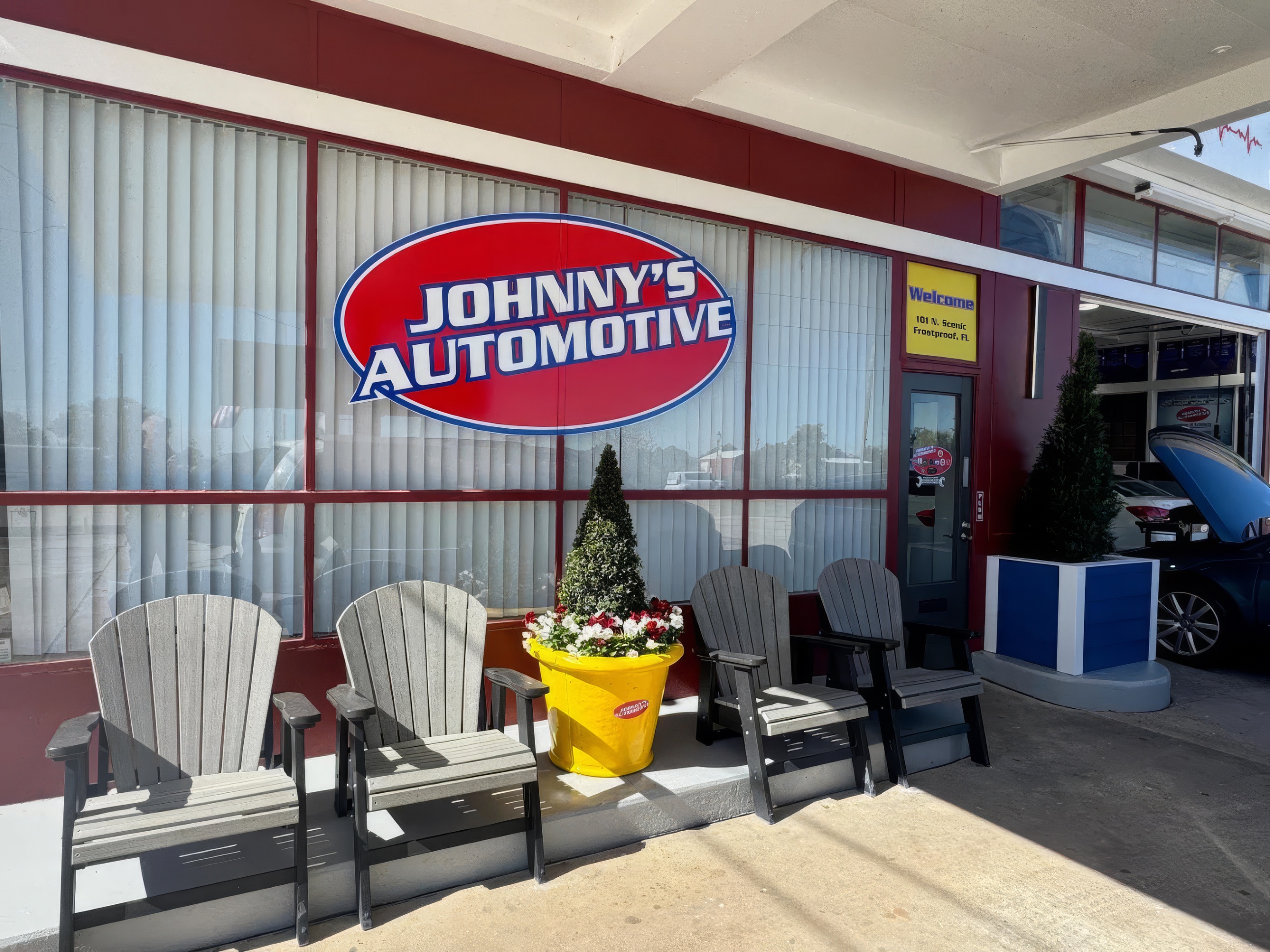
Frostproof, FL
4.8 (162) as of Oct 20264.8 out of 5, from 162 Google reviews, as of October 2026
101 North Scenic Highway
Mon to Fri, 7:30 AM to 5:30 PM
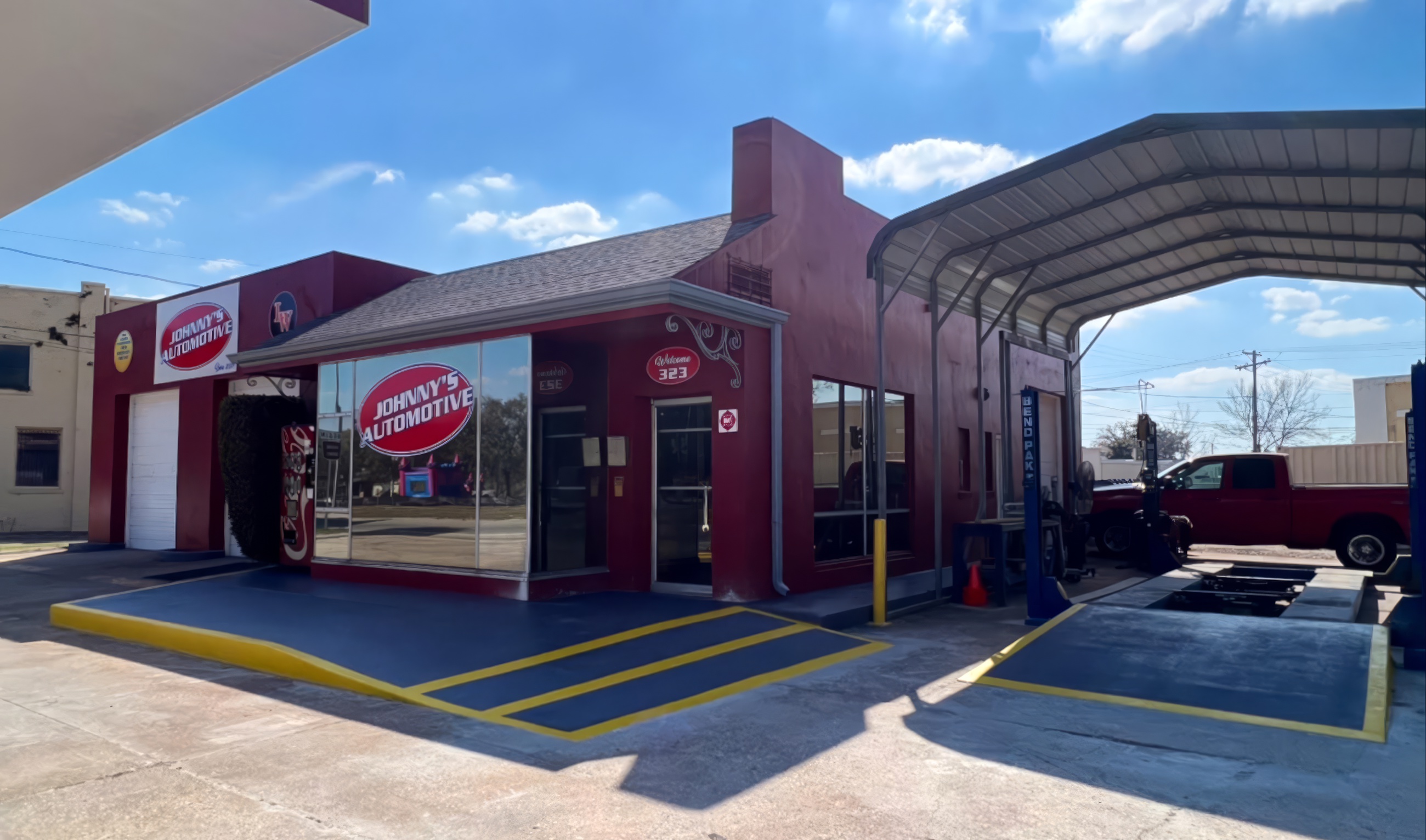
Lake Wales, FL
4.8 (538) as of Oct 20264.8 out of 5, from 538 Google reviews, as of October 2026
323 North Scenic Highway
Mon to Fri, 7:30 AM to 5:30 PM
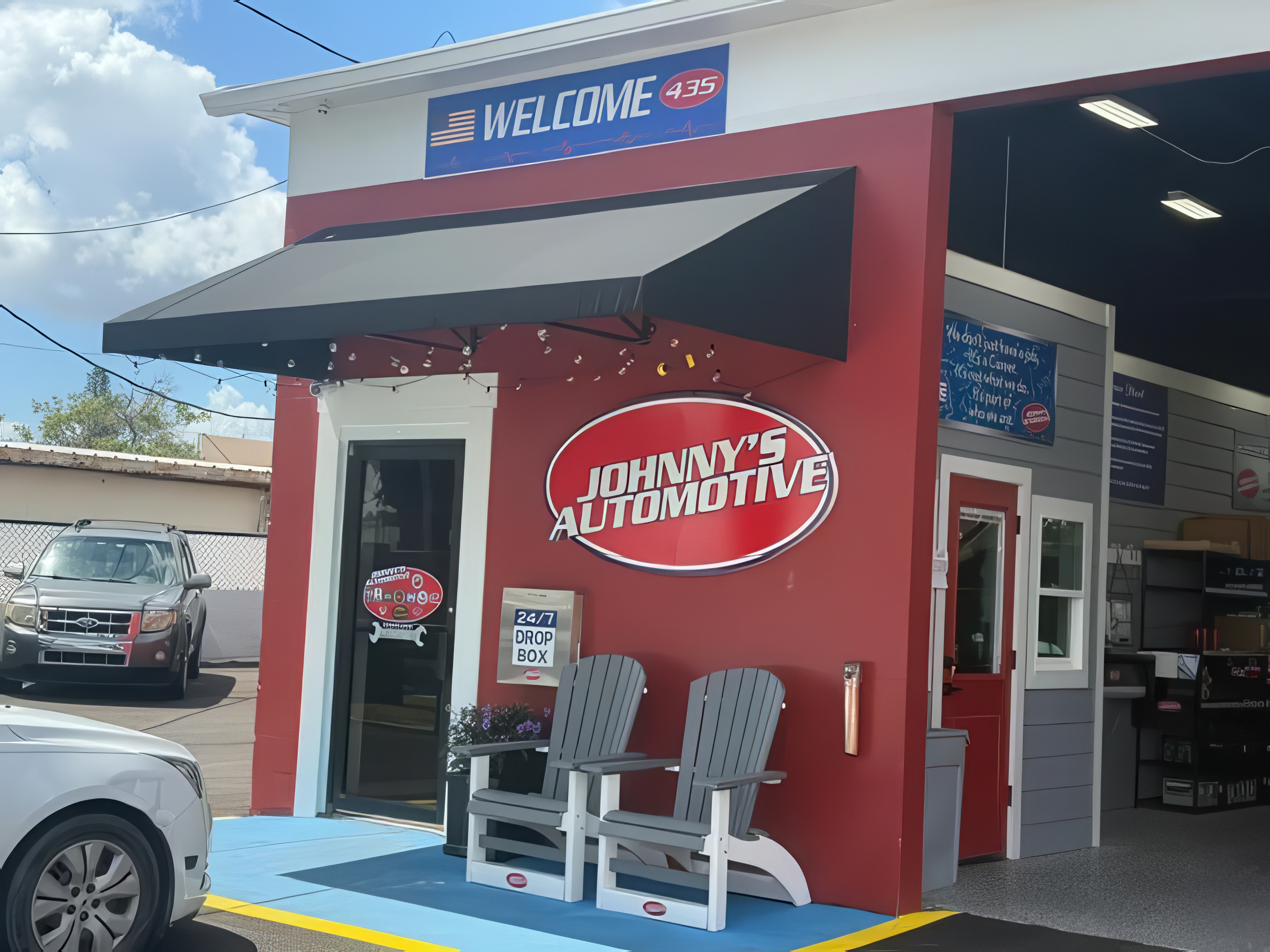
Sebring, FL
4.6 (171) as of Oct 20264.6 out of 5, from 171 Google reviews, as of October 2026
435 North Orange Street
Mon to Fri, 7:30 AM to 5:30 PM
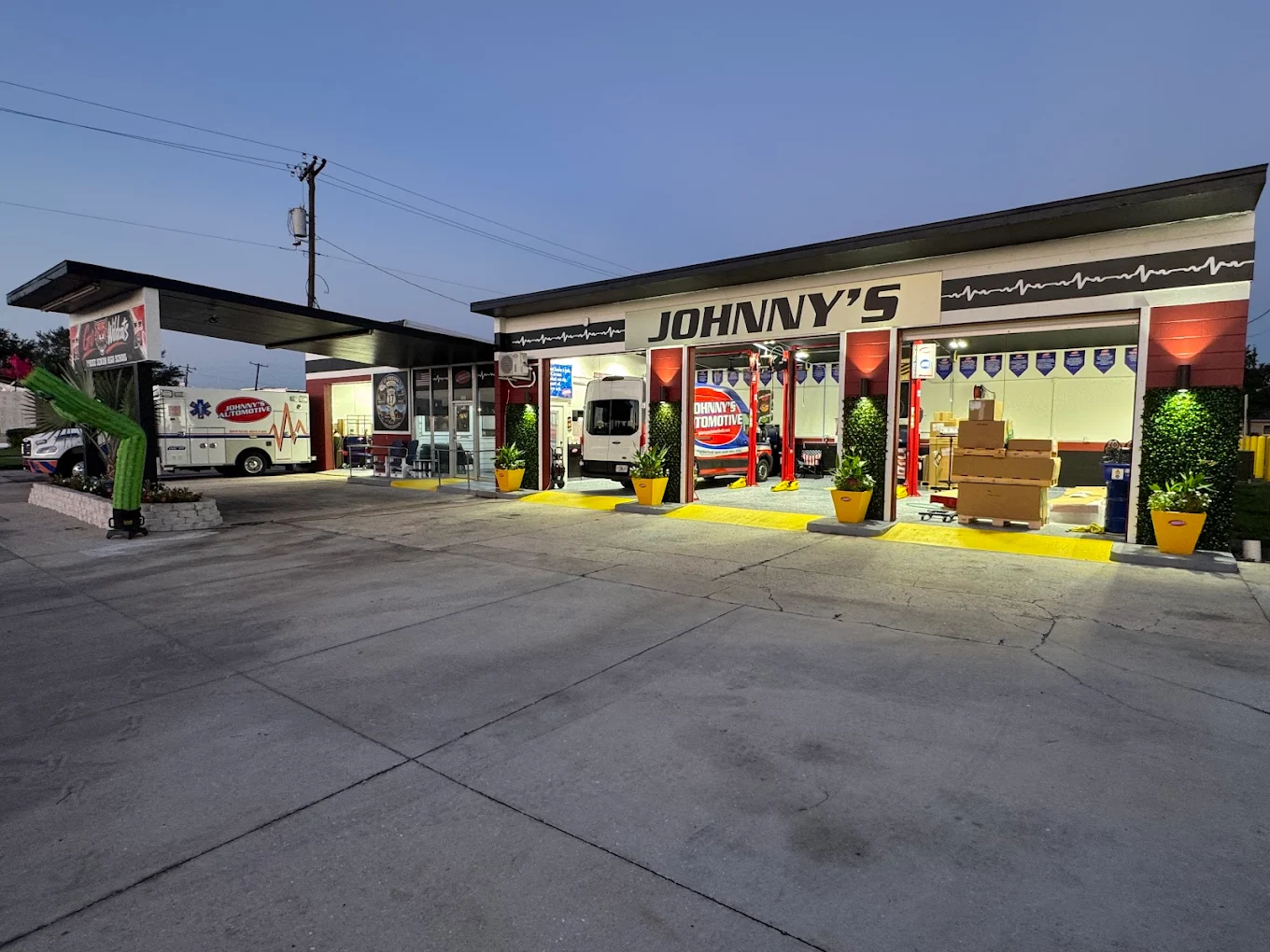
Wauchula, FL
4.9 (31) as of Oct 20264.9 out of 5, from 31 Google reviews, as of October 2026
201 North 6th Avenue
Mon to Fri, 7:30 AM to 5:30 PM
Winter Haven, FL
4.8 (586) as of Oct 20264.8 out of 5, from 586 Google reviews, as of October 2026
5100 Dundee Road
Mon to Fri, 7:30 AM to 5:30 PM
Problems we fix
Our experts diagnose and resolve any issue.
It runs hot in stop and go traffic but fine on the highway
That pattern is about airflow. At speed the air moves through the radiator on its own, and in traffic the fans have to do it. A fan that isn't coming on, a failed fan relay or control circuit, or a radiator packed with debris all read exactly like this.
It only overheats on the highway or towing
The opposite pattern usually means flow or capacity, not airflow. A thermostat that isn't opening fully, a water pump that's not moving enough coolant, or a partially plugged radiator can keep up around town and fall behind once the engine is working hard.
I keep adding coolant and I can't find a leak
Coolant leaving with nothing on the driveway is what a pressure test is for. Small seeps evaporate off hot parts before they drip, and coolant can also be going somewhere internal. The test holds pressure with the engine off so the leak has to show itself.
Steam came out from under the hood
Steam means coolant found a hot surface, most often a split hose, a leaking radiator, or a failing water pump seal. Shut it off and let it cool completely before opening anything. What you saw is useful to us, so tell us where it came from.
The heater blows cold and the gauge reads high
Those two together usually mean the system is low on coolant or has air trapped in it, because the heater core sits high and loses flow first. It's a helpful clue, and it still needs the leak found rather than just a top off.
It overheated once and has been fine ever since
One event still counts. Something caused it, whether that's a level that dropped, a fan that hesitated, or a thermostat that stuck once and freed up. Testing it while the car is behaving beats waiting for the second time, which tends to be worse.
What customers say about our overheating diagnosis work
Professionalism from the start, great communication, and quick delivery time. I took my vehicle to Johnny’s Automotive for what I thought was an AC problem, but they quickly found it was actually an overheating issue and an oil leak. Before coming here, I was scammed by Agua Wash and Lube, who falsely claimed my AC was recharged and had a leak. Just two hours later, the same issue came back. Johnny’s team found the freon was low and diagnosed the real problem with honesty and care. This is a credible, veteran-friendly shop that treats locals and visitors with integrity. Highly recommend!
frania zamora
Verified Google Review
More computer diagnostics services
Explore our other computer diagnostics services.
Check Engine Light
Check engine light on? We pinpoint the exact cause with advanced diagnostics and provide clear repair options, no guesswork.
Learn morePre-Purchase Inspection
Buying a used car? Our thorough multi-point inspection uncovers hidden problems so you can buy with confidence.
Learn moreVehicle Inspection
Learn moreOverheating Diagnosis questions, answered
Common questions about our overheating diagnosis services.
How long do I have to wait before I can open the cap?
Until the upper radiator hose and the cap are cool enough to hold your hand on comfortably, which realistically means the better part of an hour, longer on a hot Florida afternoon. Pressurized coolant will burn you badly, and it comes out fast. If you're in a hurry, don't open it at all.
Can I drive it a few miles once it cools back down?
You might get there, and you might also turn a hose into a warped cylinder head. If the coolant level dropped for a reason you can't see, it will overheat again within a few miles. A tow is the cheaper end of that gamble almost every time.
Can't you just flush the coolant and see if that helps?
A flush is maintenance, not a repair for overheating, and doing one on a system with a leak just gets you fresh coolant on the ground. We'd rather test first, find out why it got hot, and then talk about fluid service once the cause is handled.
Why pressure test it when you can already see it's low?
Low coolant is the result, not the reason. The pressure test makes the system hold pressure with the engine off so the leak has to reveal itself, which is how a weeping pump gets told apart from a hose, a radiator seam, or a heater core. Topping it off without that step just buys a few days.
What happens if it turns out to be the head gasket?
The combustion gas test tells us that, and we'll show you the result rather than just naming it. From there it becomes a bigger conversation about the repair and whether it makes sense for the car, and we cover that work on its own page. You'll get the honest version either way.
Request an Appointment
ASE Certified Technicians
ASE certified techs working on your vehicle
Flexible Drop-Off Hours
Convenient service options
20+ Years
2 decades of trusted service