

Exhaust System at Johnny's Automotive
Rumbles, ticks and rattles each mean something different. We find the actual leak, send you the photos, and fix the part that failed instead of the whole system.
Recent Exhaust System work across our shops
Haines City
Rattling Noise as RPMs Drop Coming to an Idle
The vehicle came into our Haines City shop for an initial assessment of the rattle.
Read the full jobLake Wales
Loud Noise Under the Car and Won't Shift Into 3rd or 4th Gear
The technician found that the ultimate reason for the concern was a failed entire exhaust system.
Read the full jobHaines City
Vehicle Rattle From the Center on Startup and Acceleration
The technician at our Haines City shop began with an initial assessment of the rattling noise from the center of the vehicle.
Read the full job
Why did my car suddenly get so loud?
Your exhaust does three jobs at once. It carries hot gas away from the engine and out the back of the car, it quiets that gas down through the muffler and resonator, and it holds the oxygen sensors that tell the engine computer how the fuel mixture is burning. When one piece of that system fails, you almost always hear it before you see anything.
Sound is the cheapest diagnostic tool you have, so it helps to know what you're listening for. A deep rumble that got louder over a few weeks is usually a muffler or a pipe that has rusted through at a seam. A light tick or puff on a cold start that fades once the car warms up is typically a small leak at a manifold or a gasket, where the metal expands and closes the gap as it heats. A rattle over bumps is often a broken hanger letting a pipe swing into the underbody, and that is a cheap fix if it's caught before the pipe cracks. Hangers, clamps and flex pipes fail far more often than the expensive parts do.
We don't salt roads in Florida, so exhaust here doesn't rot the way it does up north. What we see instead is heat cycling and constant humidity, with rust starting at a weld or a joint rather than eating a pipe from the outside in.
The leak that actually costs people money is one ahead of the oxygen sensor. Extra air sneaking into the pipe before the sensor makes the computer read the mixture as lean, so it adds fuel to correct something that was never wrong. You get worse mileage, a check engine light, and sometimes a code pointing at a sensor or the catalytic converter when the real problem is a gasket. That's why we find and confirm the leak first. Your digital inspection includes photos of what we're looking at under the car, so you can see the crack or the broken hanger yourself before you approve anything.
Exhaust System in our service areas
3 recent jobs across 2 cities by our technicians.
Choose your shop

Haines City, FL
4.8 (2,060) as of Oct 20264.8 out of 5, from 2,060 Google reviews, as of October 2026
31600 U.S. 27
Mon to Fri, 7:30 AM to 5:30 PM
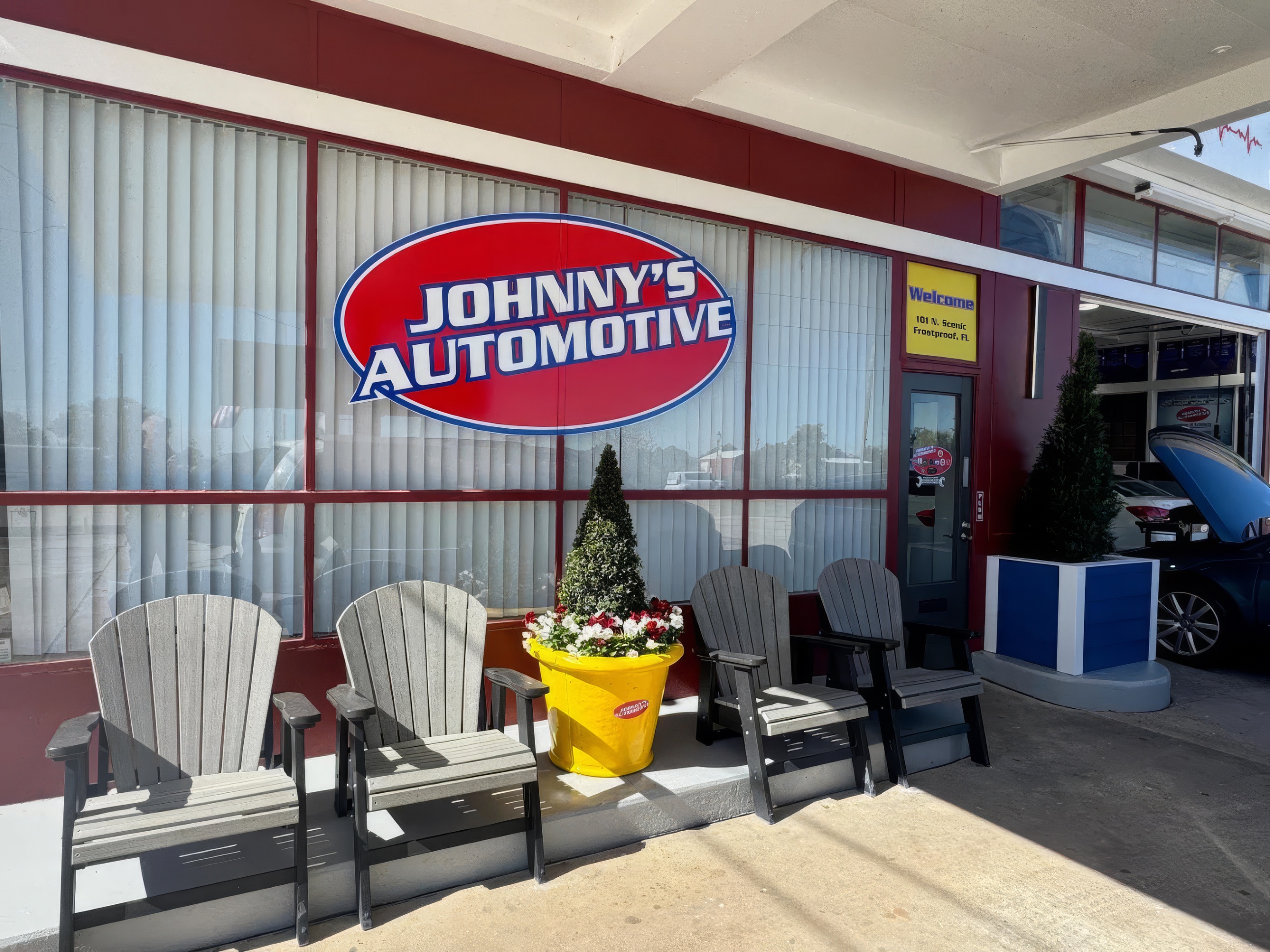
Frostproof, FL
4.8 (161) as of Oct 20264.8 out of 5, from 161 Google reviews, as of October 2026
101 North Scenic Highway
Mon to Fri, 7:30 AM to 5:30 PM
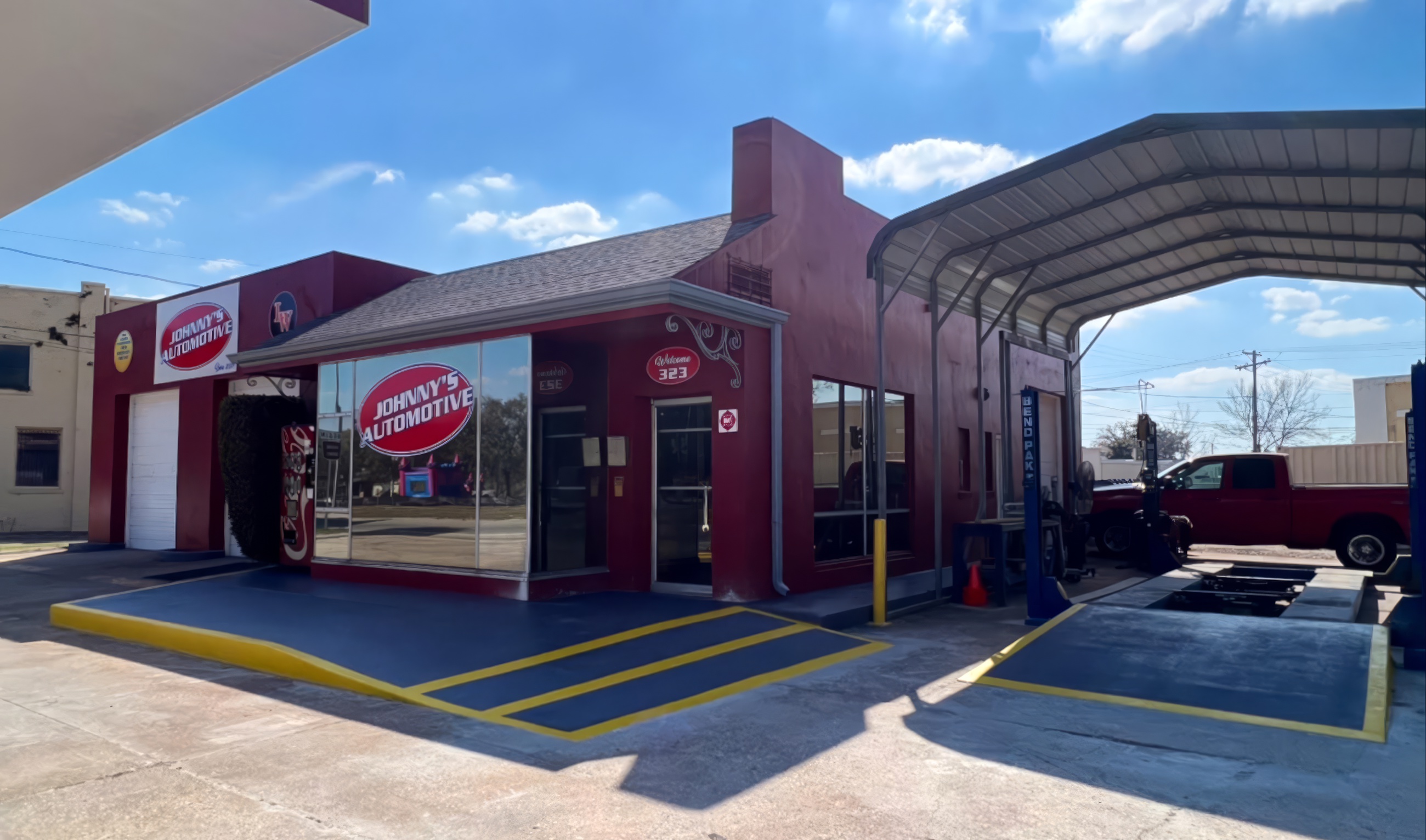
Lake Wales, FL
4.8 (537) as of Oct 20264.8 out of 5, from 537 Google reviews, as of October 2026
323 North Scenic Highway
Mon to Fri, 7:30 AM to 5:30 PM
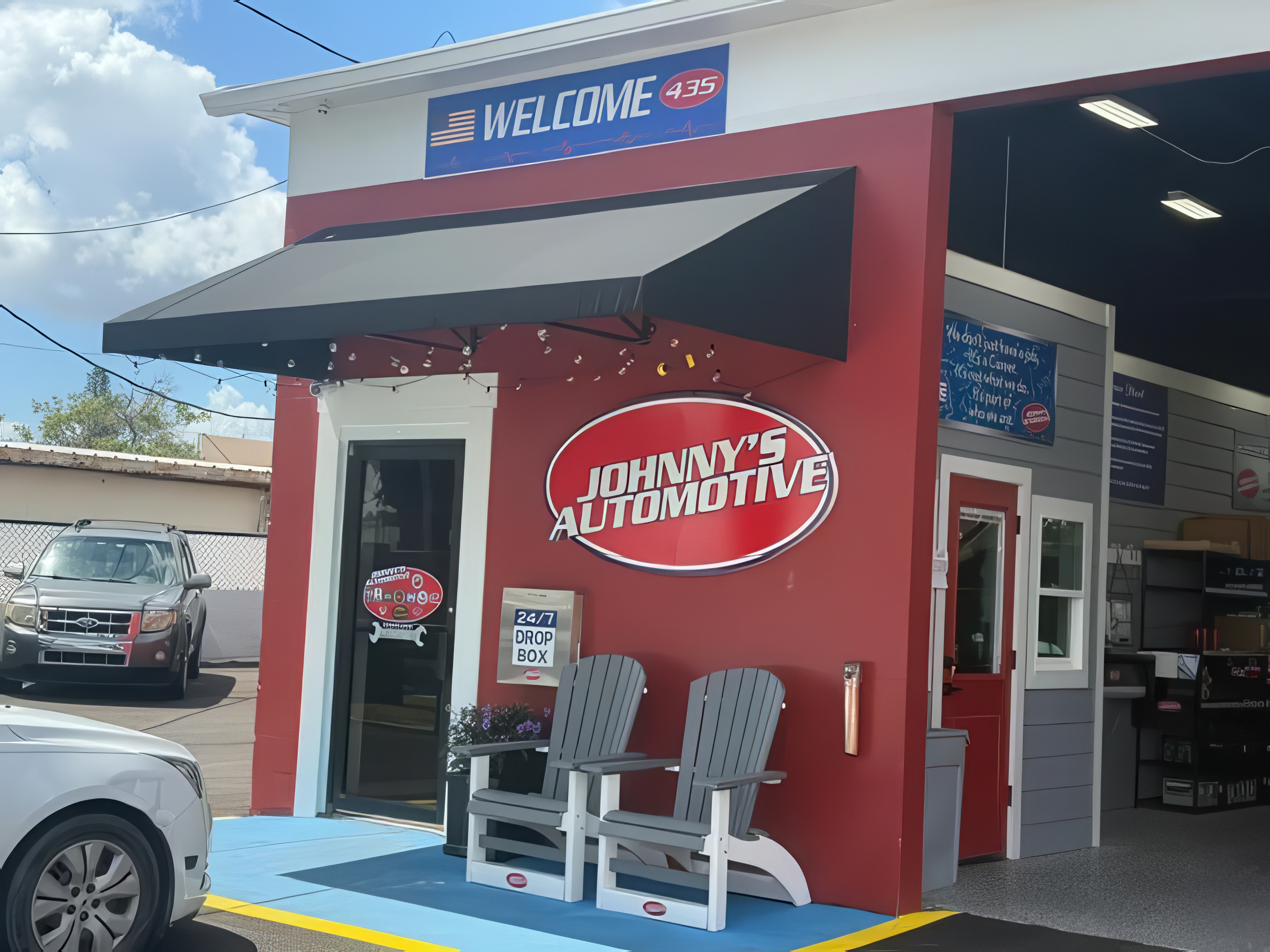
Sebring, FL
4.6 (170) as of Oct 20264.6 out of 5, from 170 Google reviews, as of October 2026
435 North Orange Street
Mon to Fri, 7:30 AM to 5:30 PM
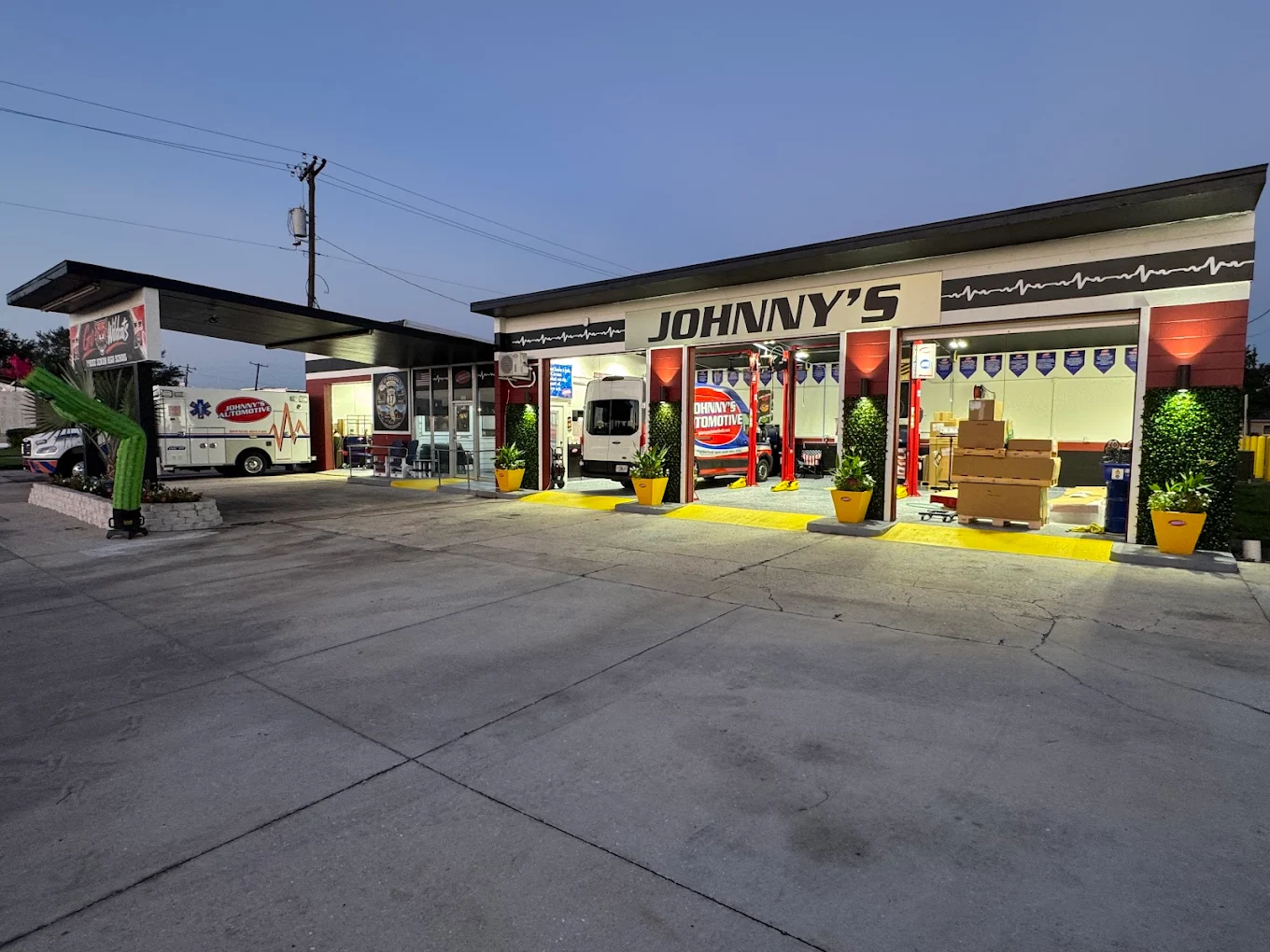
Wauchula, FL
4.9 (31) as of Oct 20264.9 out of 5, from 31 Google reviews, as of October 2026
201 North 6th Avenue
Mon to Fri, 7:30 AM to 5:30 PM
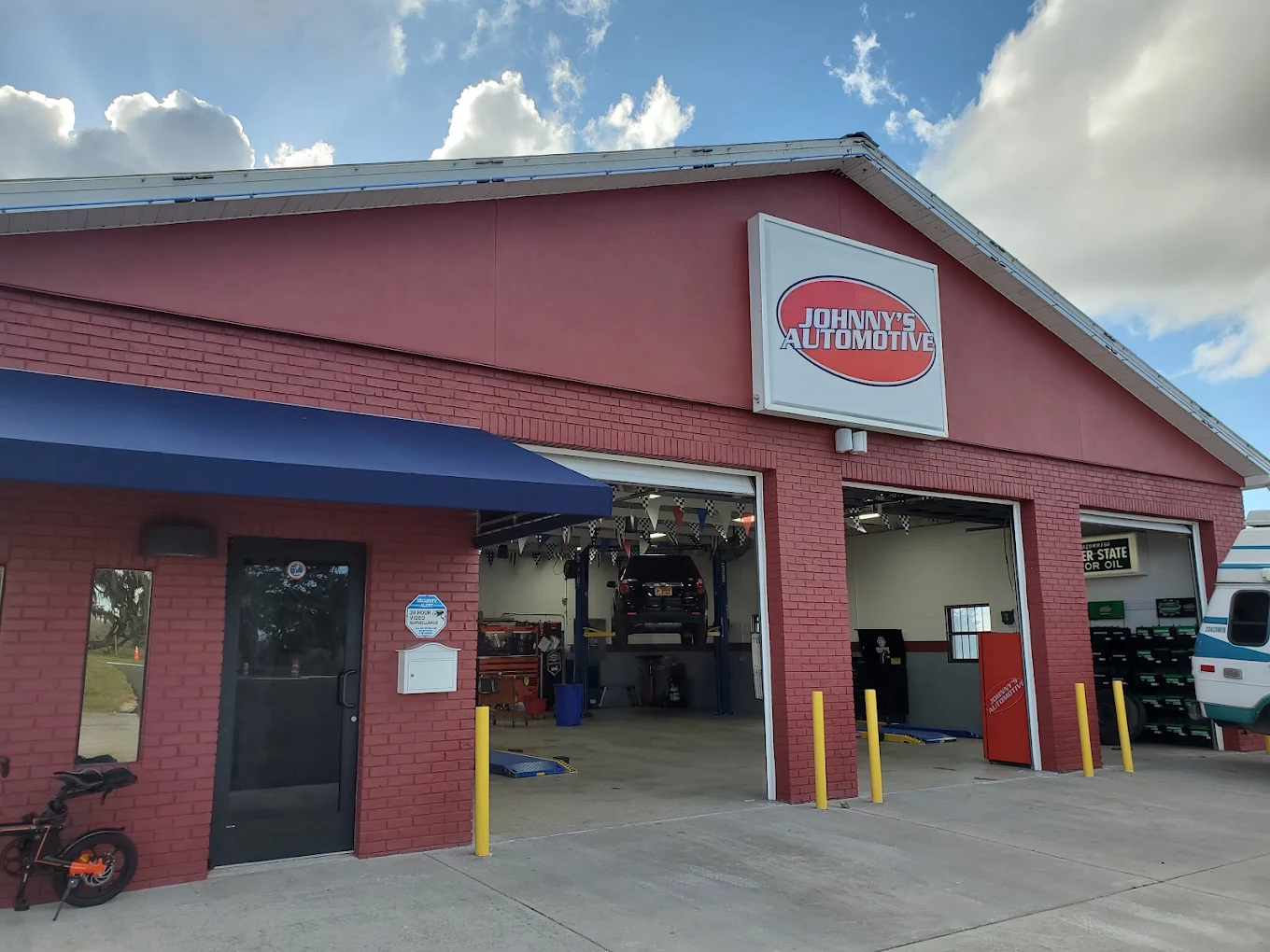
Winter Haven, FL
4.8 (586) as of Oct 20264.8 out of 5, from 586 Google reviews, as of October 2026
5100 Dundee Road
Mon to Fri, 7:30 AM to 5:30 PM
Problems we fix
Our experts diagnose and resolve any issue.
The car got loud all at once
A pipe or muffler that finally rusted through at a seam, or a joint that separated. Sudden volume usually means an opening, not gradual wear.
It ticks on a cold start, then quiets down
Almost always a small leak at an exhaust manifold or a gasket. The metal expands as it heats and temporarily seals the gap, which is why the sound disappears.
Something rattles underneath over bumps
Usually a broken or stretched hanger letting a pipe swing into the floor pan or a heat shield that came loose. Both are inexpensive if the pipe hasn't cracked yet.
Check engine light with worse gas mileage
A leak ahead of the oxygen sensor lets in extra air, so the computer reads lean and adds fuel it doesn't need. Finding the leak fixes both symptoms.
I can smell exhaust inside the car
Fumes are getting in before they reach the tailpipe, often through a leak forward on the system or a bad flange gasket. This one we look at right away.
What customers say about our exhaust system work
I’ve had a rattling in my car for ages that only got worse yesterday after it rained a bunch and I went over some deep puddles. When I took it to them they checked it for free and figured out it was my exhaust shield that was knocked loose. They removed it and did the job for free since I wasn’t replacing anything. The job was quick and I was in and out the store, I was very satisfied with everything. They even gave me a quote when they noticed my tires needed to be replaced so I’ll more likely than not go back to them for that service as well. The staff are all very friendly and the waiting room is nice as well.
alysha kelly
Verified Google Review
More auto repair services
Explore our other auto repair services.
Brake Repair
Squealing or grinding brakes? Complete brake inspection, pads, rotors, and fluid service for safe stopping power.
Learn moreBattery Service
Avoid getting stranded with professional battery testing, terminal cleaning, and replacement using reliable, warranty-backed batteries.
Learn moreEngine Repair
From minor fixes to major overhauls, our ASE-certified mechanics diagnose and repair engine problems of all types and complexities.
Learn moreExhaust System questions, answered
Common questions about our exhaust system services.
Can you replace just the muffler, or does the whole exhaust have to come off?
In most cases we replace only the section that failed. Some vehicles use a welded assembly where the pieces are joined together, and on those we'll show you where it can be cut and joined versus where the factory wants the whole run replaced. We'll tell you which one you have before quoting anything.
Can a hole be welded instead of replacing the pipe?
Sometimes, and we'll do it when the surrounding metal is still solid. If the pipe is thin and rusting from the inside, a weld holds for a few months and then opens up next to the repair. We'd rather tell you that up front than sell you the same fix twice.
Is a small exhaust leak actually a problem?
Two reasons it matters. Exhaust fumes can find their way into the cabin, and a leak ahead of the oxygen sensor throws off the fuel mixture, which costs you mileage and can set a check engine light. Small leaks also get bigger, because escaping gas keeps eroding the opening.
Will an aftermarket muffler sound different from the factory one?
Usually yes, a little. Direct fit replacements are close to stock for most vehicles, and we'll say so if the part we're quoting tends to sound deeper. If you want it to sound exactly like it did new, tell us and we'll price the factory part alongside the aftermarket one.
How do you find a leak you can't see?
We start with where and when you hear it, then get the car on the lift and look at the joints, hangers, welds and heat shields with the system both cold and warm. Cold start leaks show themselves early, and a leak that only shows under load we can usually pressure check. You get photos of whatever we find.
Request an Appointment
ASE Certified Technicians
ASE certified techs working on your vehicle
Flexible Drop-Off Hours
Convenient service options
20+ Years
2 decades of trusted service