

Heater Core Replacement at Johnny's Automotive
Sweet smell, a film on the inside of the windshield, or a damp passenger floor? Those point at the heater core, and we confirm it before the dash comes apart.
Recent Heater Core Replacement work across our shops
Why does my windshield fog up and smell sweet?
The heater core is a small radiator hidden behind your dash. Hot coolant from the engine runs through it, the blower pushes cabin air across it, and that's your heat and most of your defrost. It's the coolant side of the climate system, so it has nothing to do with refrigerant or the AC compressor, even though it shares the same case and the same blower motor.
Around here you can go most of the year without asking much of it, then one cold January morning the heat matters, or a damp morning makes you want a clear windshield in a hurry. The part that doesn't wait for winter is the coolant. A leaking core puts engine coolant into your carpet and onto the inside of your glass, and low coolant is an engine problem rather than a comfort one. That's the reason a sweet smell in the cabin is worth a look even in July.
Being part of the cooling loop also decides how long a heater core lasts. Coolant is corrosion protection as much as it's heat transfer, and once its additive package is used up, the thinnest passages in the system corrode first. The heater core has the thinnest passages in the system. The right service interval for your coolant is in the owner's manual and depends on the type it takes, but neglected coolant is the most common reason a core fails early.
No heat isn't automatically a bad core, either. Low coolant, an air pocket that never got bled out, a thermostat stuck open, a blend door actuator that quit, or a core that's plugged rather than leaking all produce the same complaint, and the cheap ones get ruled out first. A plugged core will sometimes come back with a flush. If it's actually leaking, we confirm it with a pressure test and send you photos of what we found, because reaching the core means the dash comes apart on most vehicles, and that's a decision worth making on evidence.
Heater Core Replacement in our service areas
1 recent job across 1 city by our technicians.
Choose your shop

Haines City, FL
4.8 (2,060) as of Oct 20264.8 out of 5, from 2,060 Google reviews, as of October 2026
31600 U.S. 27
Mon to Fri, 7:30 AM to 5:30 PM
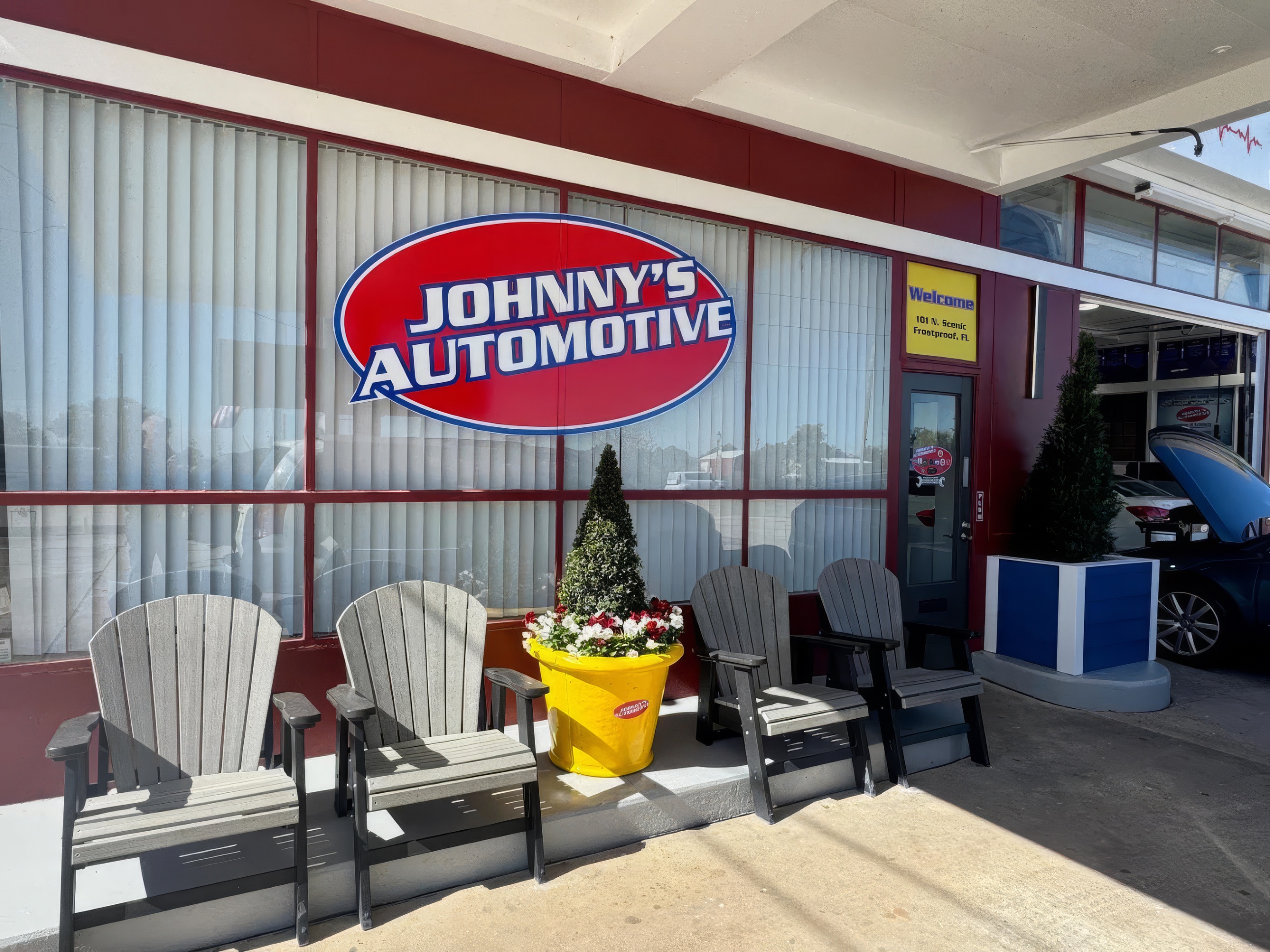
Frostproof, FL
4.8 (161) as of Oct 20264.8 out of 5, from 161 Google reviews, as of October 2026
101 North Scenic Highway
Mon to Fri, 7:30 AM to 5:30 PM
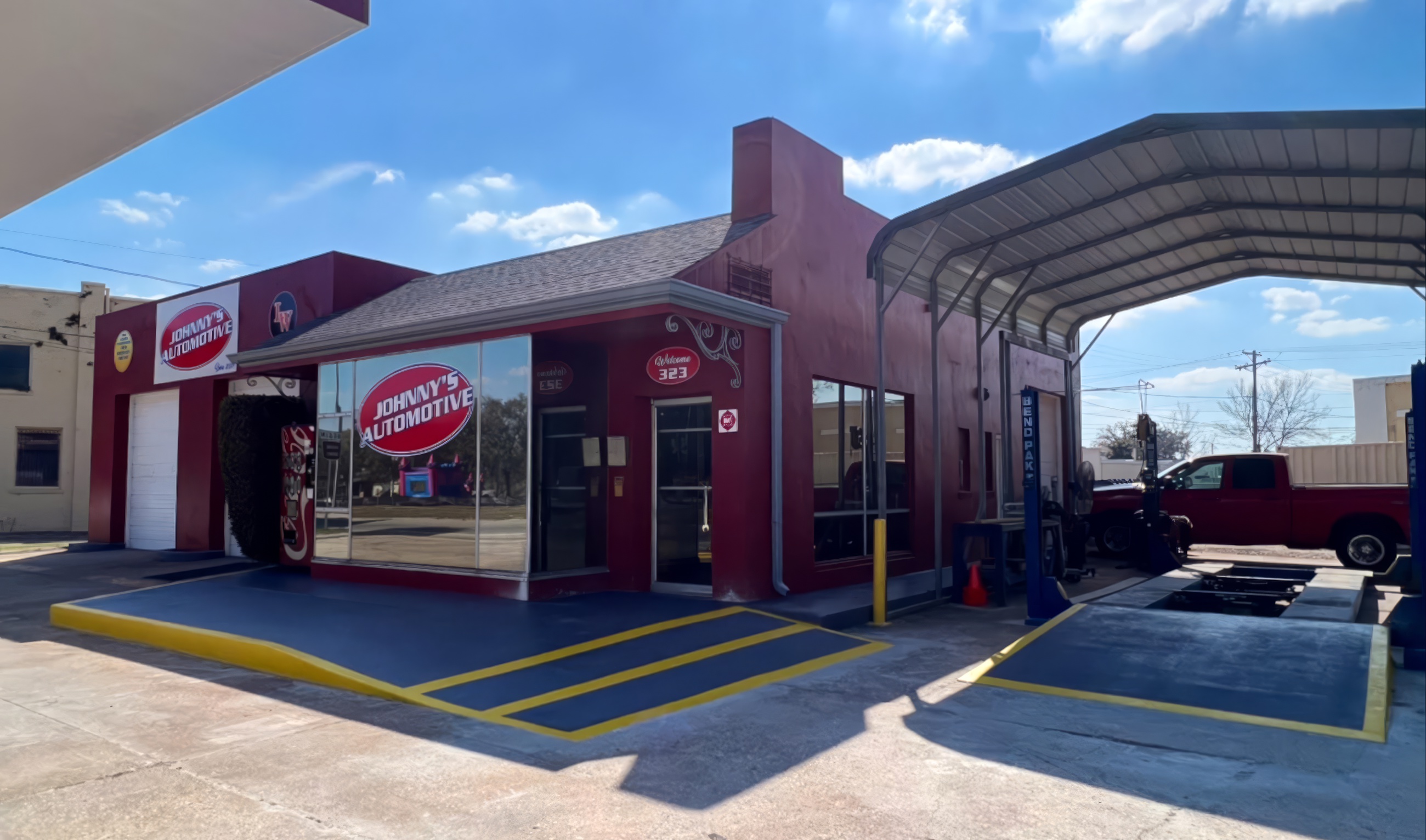
Lake Wales, FL
4.8 (537) as of Oct 20264.8 out of 5, from 537 Google reviews, as of October 2026
323 North Scenic Highway
Mon to Fri, 7:30 AM to 5:30 PM
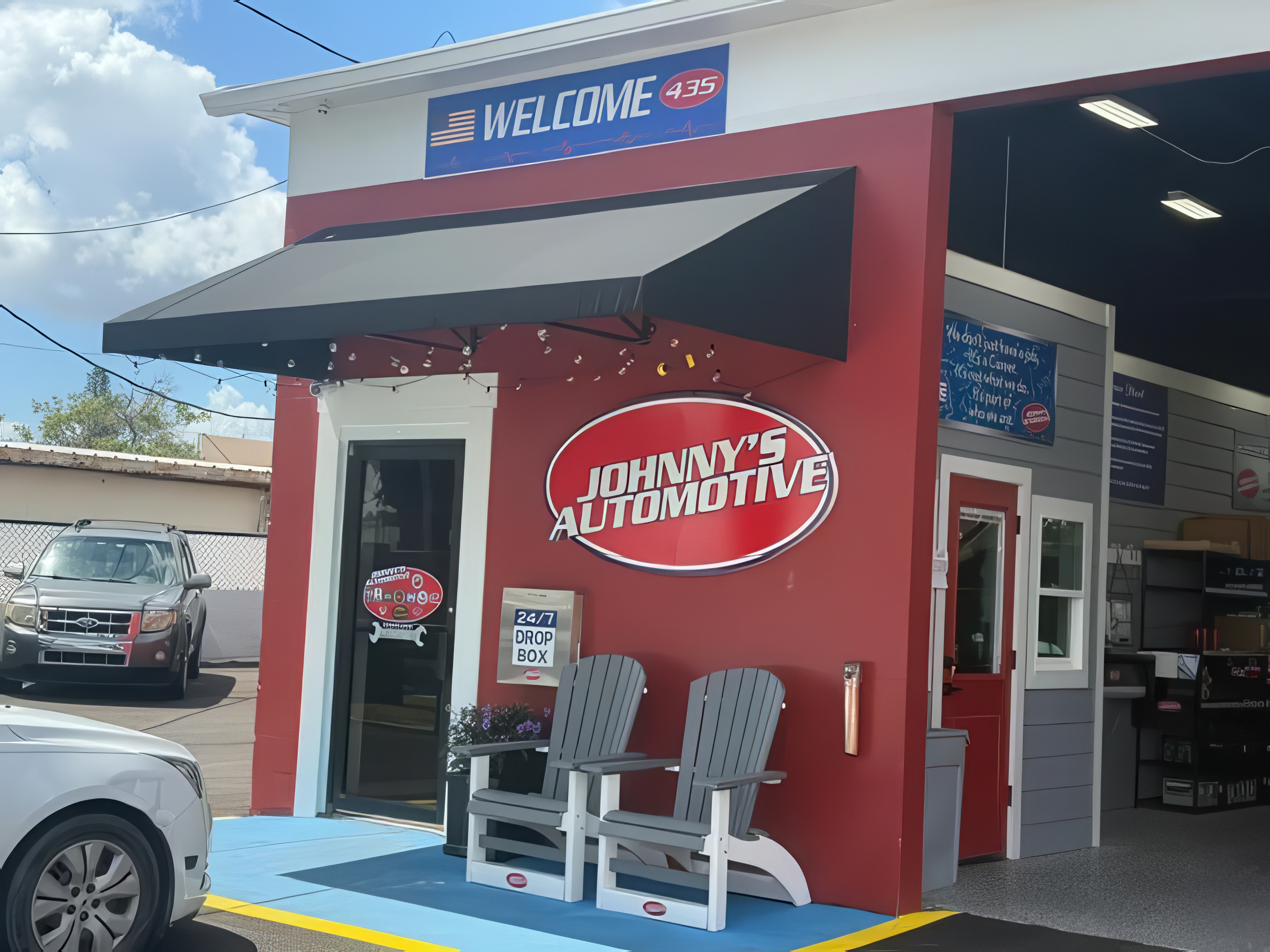
Sebring, FL
4.6 (170) as of Oct 20264.6 out of 5, from 170 Google reviews, as of October 2026
435 North Orange Street
Mon to Fri, 7:30 AM to 5:30 PM
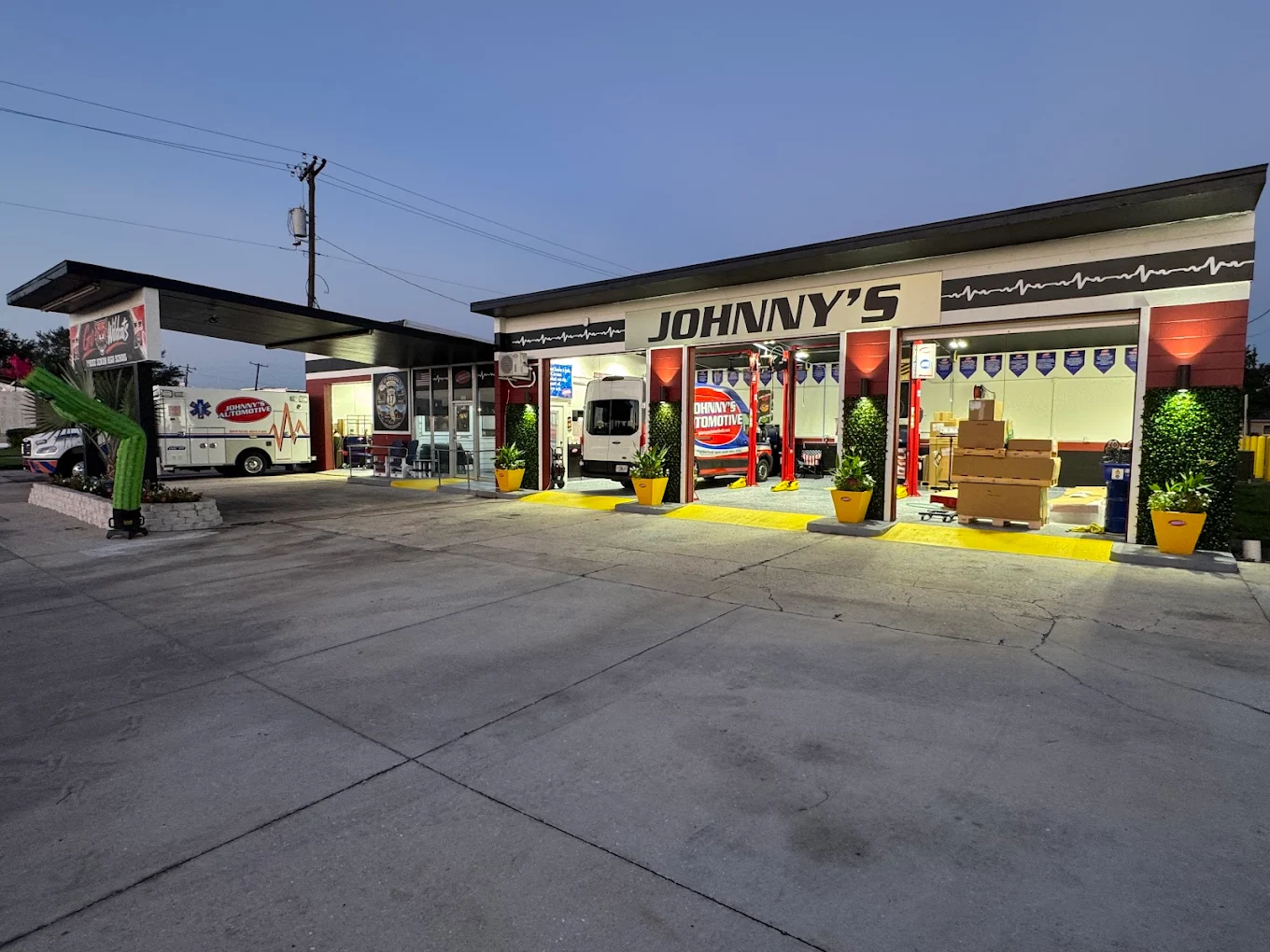
Wauchula, FL
4.9 (31) as of Oct 20264.9 out of 5, from 31 Google reviews, as of October 2026
201 North 6th Avenue
Mon to Fri, 7:30 AM to 5:30 PM
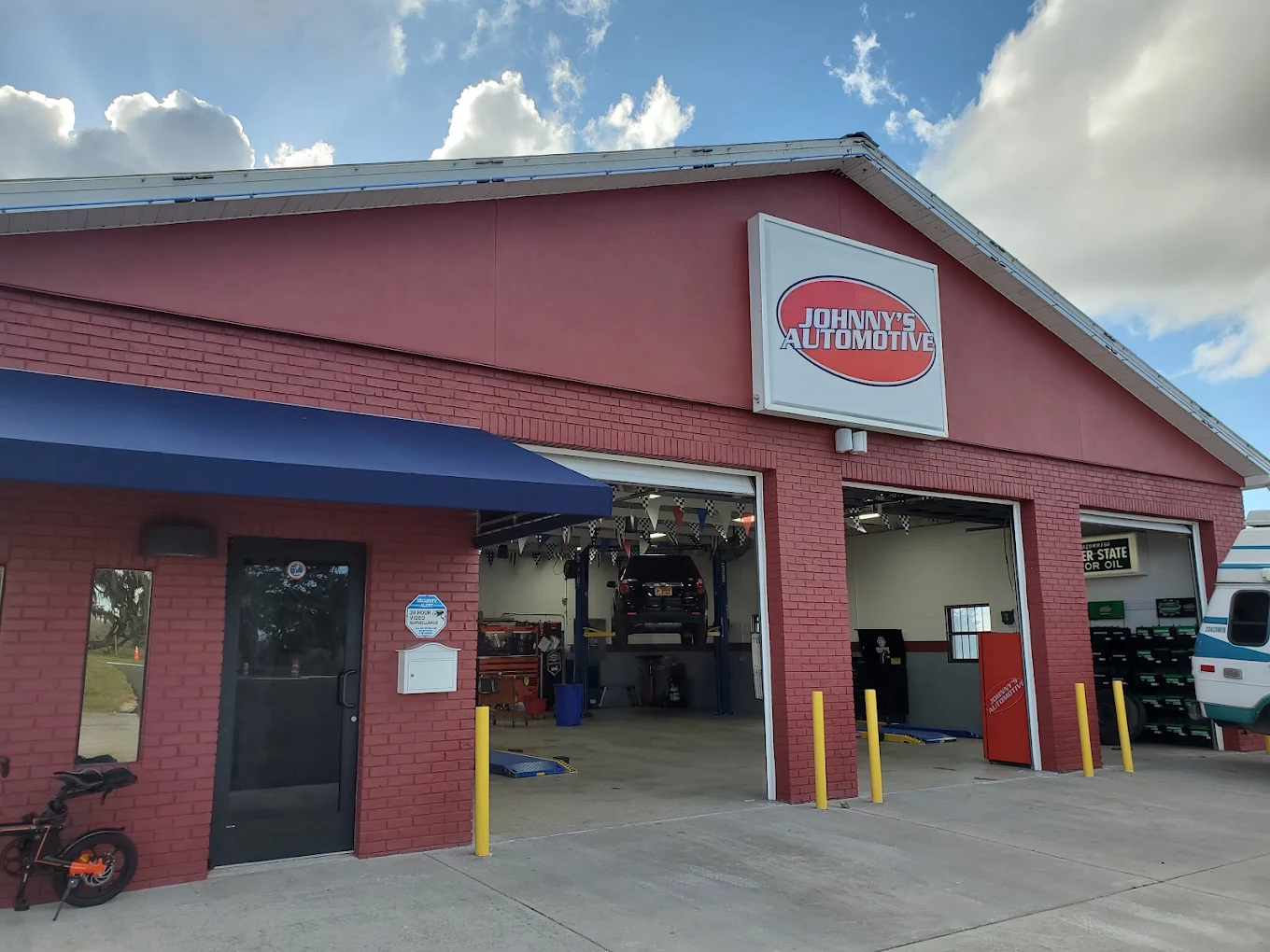
Winter Haven, FL
4.8 (586) as of Oct 20264.8 out of 5, from 586 Google reviews, as of October 2026
5100 Dundee Road
Mon to Fri, 7:30 AM to 5:30 PM
Problems we fix
Our experts diagnose and resolve any issue.
A sweet, syrupy smell inside the car
That's coolant turning to vapor on a hot core and coming out of the vents with the air. Nothing else in a car smells like it, so it's one of the more reliable symptoms you can bring us.
A greasy film on the inside of the windshield that keeps coming back
Coolant vapor condenses on the coldest surface in the cabin, which is the glass, and it wipes off into a smear instead of clearing. If the defroster makes the fog worse instead of better, that's the same story.
A damp or soaked passenger side carpet
Coolant from a leaking core drains down into the passenger footwell, and it feels slick and smells sweet rather than like plain water. Clear, odorless water in the same spot is usually a plugged AC drain and a much smaller repair.
The coolant level keeps dropping with nothing on the driveway
Coolant that disappears without a puddle went somewhere: into the cabin, into the exhaust, or into the oil. A cooling system pressure test tells us which one, and a heater core leak announces itself in the carpet.
No heat on the one cold morning of the year
Lukewarm vents with a normal temperature gauge can be low coolant, trapped air, a thermostat stuck open, a blend door that isn't moving, or a heater core plugged with sediment. Comparing the temperature of the two heater hoses narrows it down quickly.
More auto repair services
Explore our other auto repair services.
Brake Repair
Squealing or grinding brakes? Complete brake inspection, pads, rotors, and fluid service for safe stopping power.
Learn moreBattery Service
Avoid getting stranded with professional battery testing, terminal cleaning, and replacement using reliable, warranty-backed batteries.
Learn moreEngine Repair
From minor fixes to major overhauls, our ASE-certified mechanics diagnose and repair engine problems of all types and complexities.
Learn moreHeater Core Replacement questions, answered
Common questions about our heater core replacement.
Can a heater core be flushed instead of replaced?
If it's plugged, sometimes yes. Sediment and old coolant deposits can restrict the passages enough to kill your heat while the core itself is still sound, and a proper back flush occasionally brings it back. If it's leaking, no. A flush moves debris, it doesn't close a hole, and the sealer products sold for that end up in the rest of the cooling system.
Is a leaking heater core a reason to stop driving the car?
Not usually on its own, but it does change what you need to watch. You're losing engine coolant, so the level and the temperature gauge matter more than they did last week, and running low on coolant is how a small repair turns into a big one. The fogged glass is its own problem when visibility is bad. Get it looked at rather than topping off the reservoir all winter.
Why is a small part like this priced like a big repair?
Because you're paying for access, not for the core. On most vehicles the dash, the steering column and the HVAC case have to come apart to reach a part that costs a fraction of the labor around it. That's the honest answer, and it's exactly why we confirm the diagnosis with a pressure test before quoting the job instead of guessing at it.
Is this related to my air conditioning?
Not mechanically. The heater core carries hot engine coolant while the AC evaporator carries refrigerant, and a failure in one doesn't cause a failure in the other. They do share the same case behind the dash, though, which is why we'll ask about the AC before we open one up. Doing both at once, when both actually need it, saves you the labor twice.
Does the type of coolant really matter?
It does, more than most people expect. Coolants use different additive chemistry to protect the metals in your particular engine and cooling system, and mixing types or topping off with the wrong one can gel the mixture or strip out the corrosion protection. Since that protection is what keeps a thin heater core from corroding through, using what the manufacturer specifies is the cheapest thing you can do for it.
Request an Appointment
ASE Certified Technicians
ASE certified techs working on your vehicle
Flexible Drop-Off Hours
Convenient service options
20+ Years
2 decades of trusted service