

AC Compressor Replacement at Johnny's Automotive
The compressor moves the refrigerant, and how it failed decides the job. We check the system for debris before we quote, because a new compressor in a dirty system won't last.
Recent AC Compressor Replacement work across our shops
Winter Haven
Why Is My Car's AC Having Issues? Blower Motor Check
The technician found the A/C system had 0.00 lbs of freon.
Read the full jobWinter Haven
AC Blowing Warm One Month After Recharge
The technician's A/C service check found the system had 0.00 KGS of freon when it should have had 0.00 KGS.
Read the full jobFrostproof
AC Blowing Warm After the Compressor Locked Up
The a/c compressor had locked up, so the system needed the compressor replaced and the contaminant flushed out.
Read the full jobHaines City
AC Still Warm After an Evacuate and Recharge
The technician performed an initial assessment and then replaced the air conditioning compressor and the air conditioning expansion valve at our Haines City…
Read the full job
Do I really need a whole new AC compressor?
The compressor is the pump at the center of the air conditioning system. Everything else stores, cools or meters refrigerant. The compressor is what makes it move, so when it stops, the loop stops with it and the vents go warm.
They fail in a few recognizable ways. The clutch on the nose can burn up or lose its air gap, so the pulley keeps spinning with the belt while the compressor never engages. Shaft and case seals can weep, which shows up as slow refrigerant loss and an oily film around the front of the unit. And the compressor can wear internally, which usually announces itself as a noise that changes with engine speed, or a system that won't build pressure even on a full charge.
That last one matters more than it sounds, because of where the pieces go. When a compressor comes apart inside, it sends metal downstream: into the condenser, the drier, the orifice tube or expansion valve, sometimes the evaporator. Bolting a new compressor onto that system feeds it its own debris, and the new one fails the same way, usually faster.
So replacing a compressor properly is a system job, not a part swap. We flush what can be flushed, replace the pieces that trap debris and can't be cleaned out (the receiver drier or accumulator, and the orifice tube or expansion valve), replace a condenser when it's the type that can't be flushed clean, pull a deep vacuum to get moisture and air back out, and charge by weight to the vehicle's spec with the correct oil type and amount. Skipping those steps is what turns one repair into two.
You see the evidence before you decide. The clutch, the oil, and anything that came out of the system go to your phone as photos with the digital inspection. The work carries a 36 month / 36,000 mile nationwide warranty, which is exactly why we won't put a new compressor into a system we haven't cleaned.
AC Compressor Replacement in our service areas
4 recent jobs across 3 cities by our technicians.
Winter Haven
Recent work
- Why Is My Car's AC Having Issues? Blower Motor Check
- AC Blowing Warm One Month After Recharge
Haines City
Recent work
- AC Still Warm After an Evacuate and Recharge
Frostproof
Recent work
- AC Blowing Warm After the Compressor Locked Up
Choose your shop

Haines City, FL
4.8 (2,060) as of Oct 20264.8 out of 5, from 2,060 Google reviews, as of October 2026
31600 U.S. 27
Mon to Fri, 7:30 AM to 5:30 PM
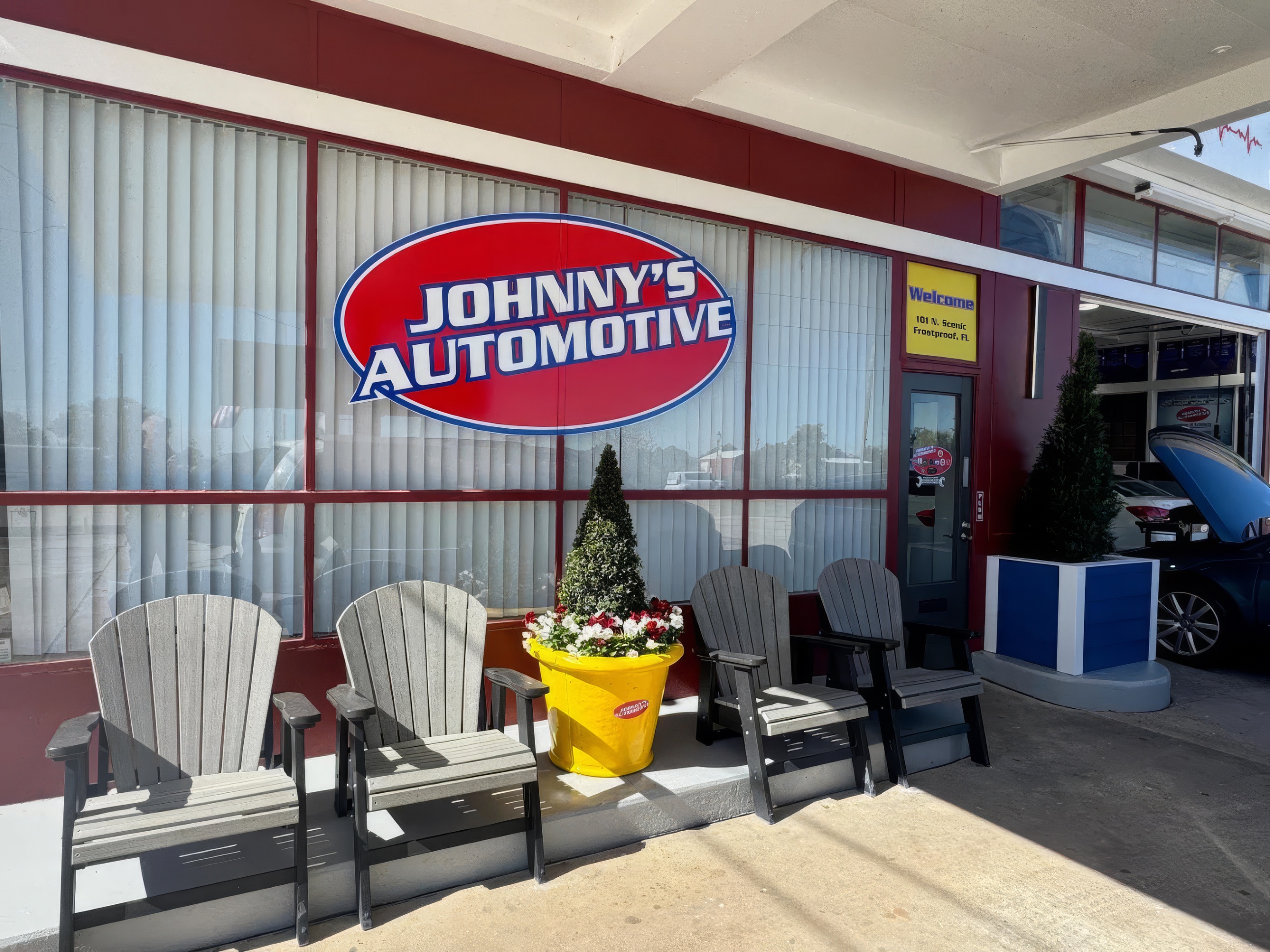
Frostproof, FL
4.8 (161) as of Oct 20264.8 out of 5, from 161 Google reviews, as of October 2026
101 North Scenic Highway
Mon to Fri, 7:30 AM to 5:30 PM
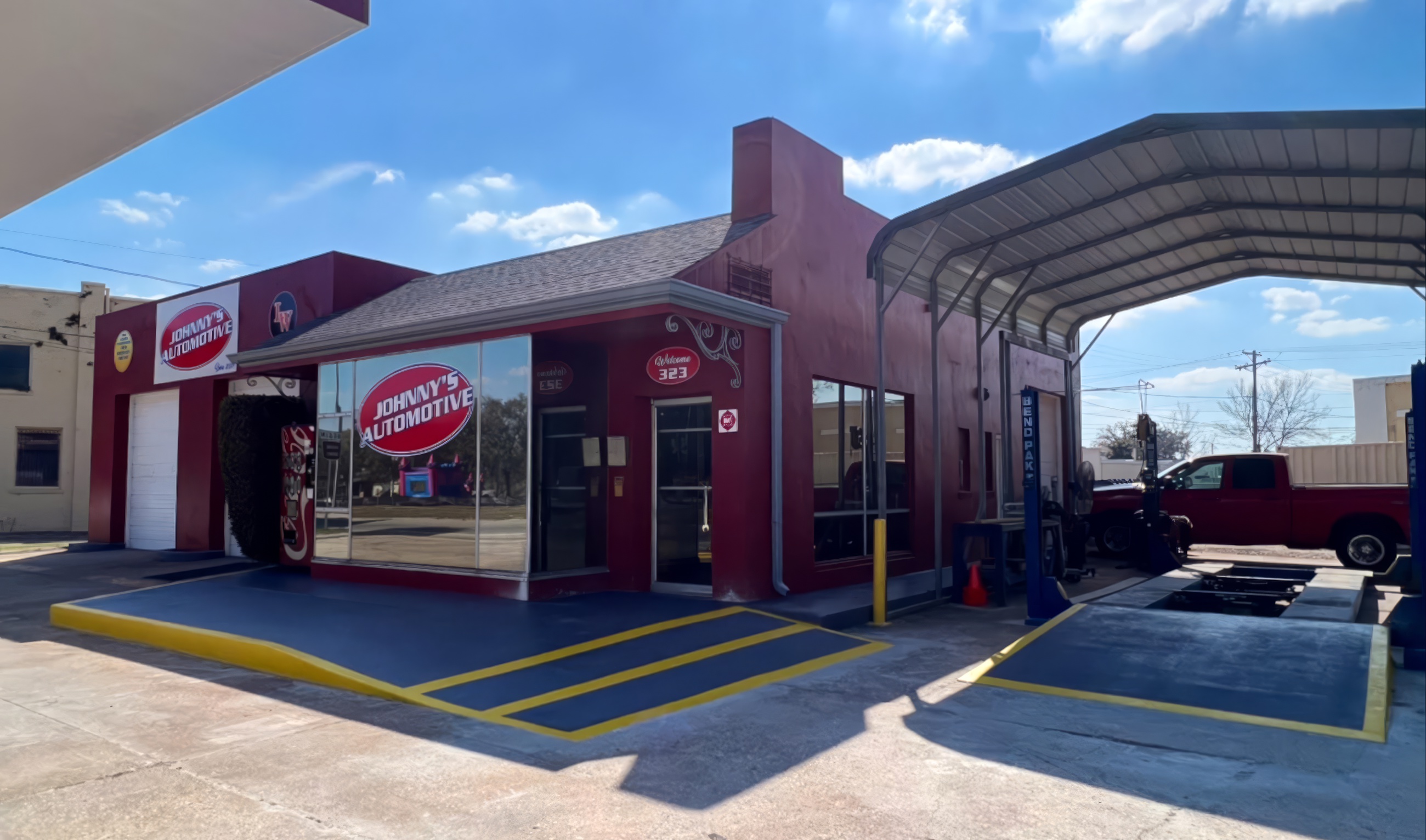
Lake Wales, FL
4.8 (537) as of Oct 20264.8 out of 5, from 537 Google reviews, as of October 2026
323 North Scenic Highway
Mon to Fri, 7:30 AM to 5:30 PM
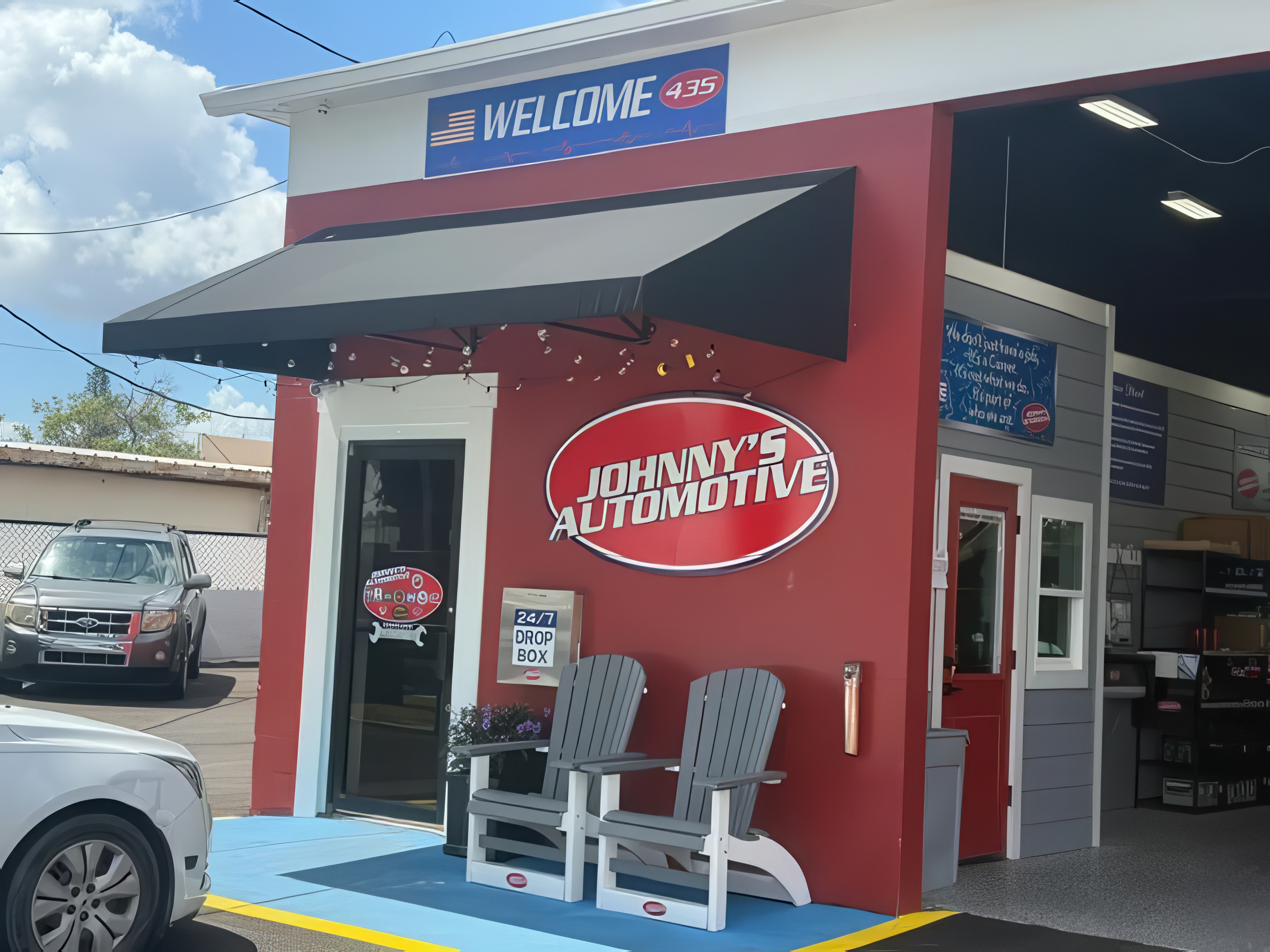
Sebring, FL
4.6 (170) as of Oct 20264.6 out of 5, from 170 Google reviews, as of October 2026
435 North Orange Street
Mon to Fri, 7:30 AM to 5:30 PM
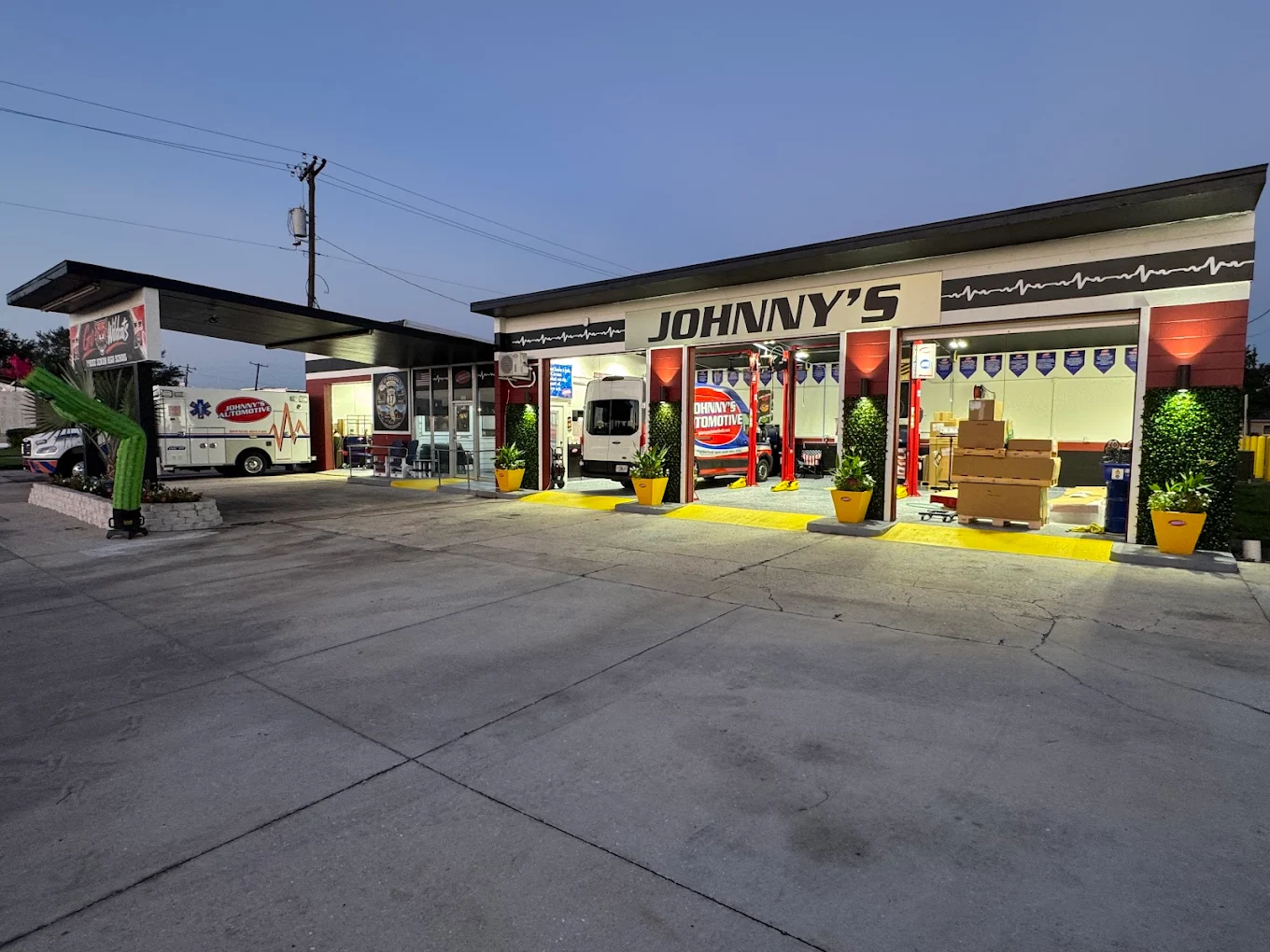
Wauchula, FL
4.9 (31) as of Oct 20264.9 out of 5, from 31 Google reviews, as of October 2026
201 North 6th Avenue
Mon to Fri, 7:30 AM to 5:30 PM
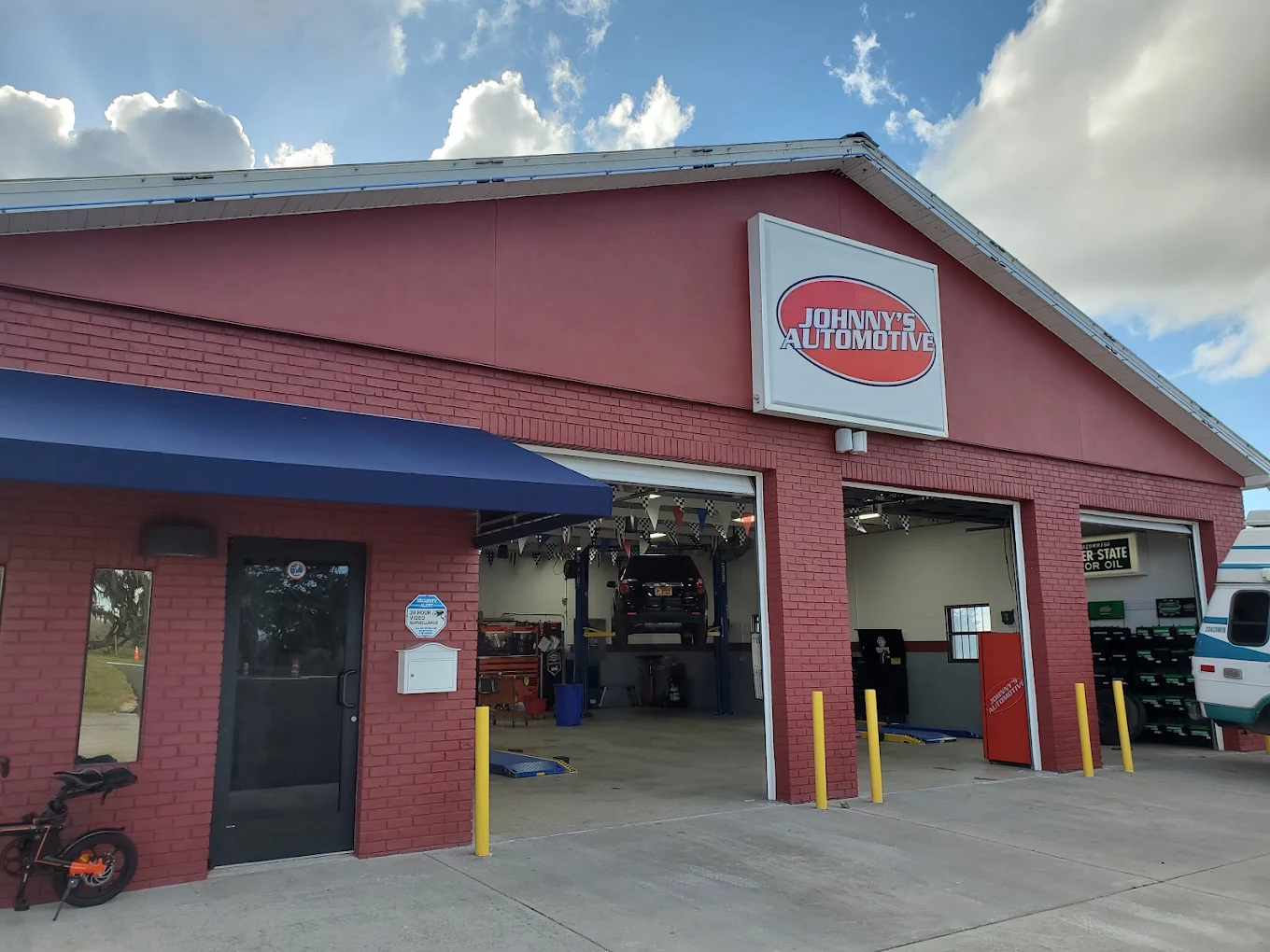
Winter Haven, FL
4.8 (586) as of Oct 20264.8 out of 5, from 586 Google reviews, as of October 2026
5100 Dundee Road
Mon to Fri, 7:30 AM to 5:30 PM
Problems we fix
Our experts diagnose and resolve any issue.
The AC quit all at once instead of fading
A system that lost cold overnight usually isn't leaking, it's not engaging. That's the clutch, its relay or wiring, or a pressure switch cutting the compressor out because the charge dropped below its threshold.
A growl or rattle that only happens with the AC on
Noise that rises and falls with engine speed and disappears when you switch the AC off points at the compressor itself or its clutch bearing. Internal wear sounds different from a bearing, and a stethoscope separates the two before anything gets ordered.
The belt squeals or the engine bogs when the AC kicks on
A compressor that's binding puts a load on the belt that the engine has to pull through. Left alone, a seizing compressor can shred a belt that also drives your water pump and alternator, so this one is worth looking at soon.
Oily grime collecting on the front of the compressor
Refrigerant carries oil, so a weeping shaft seal leaves a dark film that road dust sticks to. It usually pairs with a system that needs refrigerant more often than it should.
A replacement compressor failed not long after it went in
That's almost always debris left in the lines from the first failure, a drier or metering device that didn't get replaced, or the wrong oil type or amount. The second compressor didn't fail on its own, it got fed the first one.
The compressor clicks on and off every few seconds
Rapid cycling is the low pressure switch doing its job while the charge sits right at its cut out point, which usually means a leak somewhere, not a bad compressor. Condemning the compressor here is how a good part gets replaced for nothing.
What customers say about our ac compressor replacement work
The AC on our 2020 Cadillac XT4 quit working, and in Florida, that's not acceptable. Called Johnny's Automotive and was able to bring it in that same day. Waited for about half an hour while they checked it out. Come to find out the AC Compressor clutch fell apart and we needed a new compressor. They ordered the part and gave me a ride home. The next day, after the repairs were done, they picked me up and drove me back to their shop. After paying the bill, I got in my vehicle and there were 4 long stem red roses laying on the dash. Never had that happen, ever. If you need your vehicle repaired, I highly recommend Johnny's to help you out!! Very knowledgeable and helpful!!! If I could give them 10 stars, I would. Go see them, you won't be disappointed!! Thanks Johnny's, you people did a awesome job!!
Joseph Novack
Verified Google Review
Everyone was very kind and courteous. They have a nice waiting room. They had to put in a new compressor and condenser and fix the mixing door. The air-conditioning works great! The price is what you would expect, it’s a top-notch shop and I will go again.
Gerard Mailly
Verified Google Review
Had my AC compressor fixed here as a recommendation and they did an excellent job all around. They were quick to schedule me in and get my car fixed and returned to me. Highly recommend.
Jade Haynsworth
Verified Google Review
More auto repair services
Explore our other auto repair services.
Brake Repair
Squealing or grinding brakes? Complete brake inspection, pads, rotors, and fluid service for safe stopping power.
Learn moreBattery Service
Avoid getting stranded with professional battery testing, terminal cleaning, and replacement using reliable, warranty-backed batteries.
Learn moreEngine Repair
From minor fixes to major overhauls, our ASE-certified mechanics diagnose and repair engine problems of all types and complexities.
Learn moreAC Compressor Replacement questions, answered
Common questions about our ac compressor replacement.
How do you tell a bad compressor from a low charge?
A compressor that isn't turning and a compressor that can't build pressure are two different tests. We check whether the clutch is getting power and engaging, then read high and low side pressures while the system runs to see whether it's actually pumping. Plenty of cars come in convinced the compressor is dead and leave with a leak repair, because the pressure switch was simply doing what it's designed to do.
Can a compressor be repaired instead of replaced?
Sometimes, and it depends entirely on which part failed. A clutch, coil or pulley bearing can often be replaced on its own if the compressor underneath is sound, and on some vehicles that's a real savings. Once the failure is internal, there's no reliable repair, because the wear that killed it is already circulating through the rest of the system.
Why do other parts have to be replaced with the compressor?
The drier or accumulator holds a desiccant that's already saturated once the system has been open, and the orifice tube or expansion valve is where debris collects and can't be flushed back out. Leaving either one in a system that just had a failure sends the same contamination into the new compressor. Most compressor manufacturers require those parts and a documented flush for their own warranty to apply.
Can I keep driving with a failed compressor?
If the compressor is simply not engaging and the belt spins the pulley freely, you can drive it without air conditioning until you're ready to fix it. If it's binding or seized, that's different, because it's fighting the same belt that turns other engine accessories on most vehicles. We'll tell you which one you have when we look.
Is it worth replacing on an older vehicle?
That depends on the car and on you, and it isn't our call to make for you. What we can do is tell you honestly what the rest of the system looks like: whether the condenser and lines are clean, whether there are other leaks waiting behind this one, and whether the vehicle is otherwise sound. Then you decide with real numbers in front of you instead of a guess.
Request an Appointment
ASE Certified Technicians
ASE certified techs working on your vehicle
Flexible Drop-Off Hours
Convenient service options
20+ Years
2 decades of trusted service