

Starter Repair at Johnny's Automotive
Click, slow crank, or dead silence: each sound points somewhere different. We test the battery and cables first, because low voltage acts exactly like a bad starter.
Recent Starter Repair work across our shops
Lake Wales
Towed In and Unsure: Battery, Starter, or Alternator?
The technician started with an initial assessment at no charge and updated the service manager within 30 minutes, noting that further testing might be needed…
Read the full jobFrostproof
Car Won't Crank and Won't Take a Jump Start
The vehicle came to our Frostproof shop for the no-start concern.
Read the full jobWauchula
Push Button Start Only Clicks Once, Intermittent No-Start
The technician started with a testing initial assessment at no charge, and the notes said further testing might be needed for a complete answer.
Read the full jobWauchula
Why Won't My Car Start After a Mobile Mechanic Visit?
The vehicle started successfully after the repair, resolving the customer's primary concern.
Read the full jobWinter Haven
Car Cranks No Start: What Was Behind It?
The technician began with an initial assessment and testing, and the notes say further testing may be needed for a complete answer.
Read the full job
What does that clicking sound when I turn the key mean?
The noise your car makes when it will not start narrows things down fast. One loud click and nothing else usually means the solenoid pulled in but the motor did not turn, or that not enough current is reaching it. Rapid machine gun clicking almost always means low voltage, which points at the battery or a connection far more often than the starter. A slow, labored crank is usually a power problem too. Silence with a lit dash can be the ignition switch, a neutral safety or clutch switch, a relay, or a starter that has failed outright. And an engine that cranks at normal speed but never fires is not a starter question at all, that is fuel, spark, or compression.
Because low voltage imitates a bad starter so well, we test the battery and the cables first, every time. A weak battery, a corroded cable end, or a poor ground makes the same click as a dead starter. Replacing a starter that was never the problem is one of the most common wasted repairs we see, and a few minutes of testing prevents it.
Once the supply side checks out, we measure voltage right at the starter while the engine is cranked. That tells us whether current is arriving and being wasted inside the unit, or never arriving at all. From there it is usually a solenoid that will not engage, worn brushes or a shorted armature in the motor, or a loose connection at the starter stud.
Heat matters here more than most people expect. A starter that works fine cold and refuses once the engine is hot is a classic heat soak failure, and it is common in Florida traffic. Windings and connections that are marginal at room temperature give up when they are sitting under a hot engine in August. If a starter is what your car needs, the replacement carries our 36 month, 36,000 mile nationwide warranty.
Starter Repair in our service areas
5 recent jobs across 4 cities by our technicians.
Wauchula
Recent work
- Push Button Start Only Clicks Once, Intermittent No-Start
- Why Won't My Car Start After a Mobile Mechanic Visit?
Frostproof
Recent work
- Car Won't Crank and Won't Take a Jump Start
Lake Wales
Recent work
- Towed In and Unsure: Battery, Starter, or Alternator?
Winter Haven
Recent work
- Car Cranks No Start: What Was Behind It?
Choose your shop

Haines City, FL
4.8 (2,060) as of Oct 20264.8 out of 5, from 2,060 Google reviews, as of October 2026
31600 U.S. 27
Mon to Fri, 7:30 AM to 5:30 PM
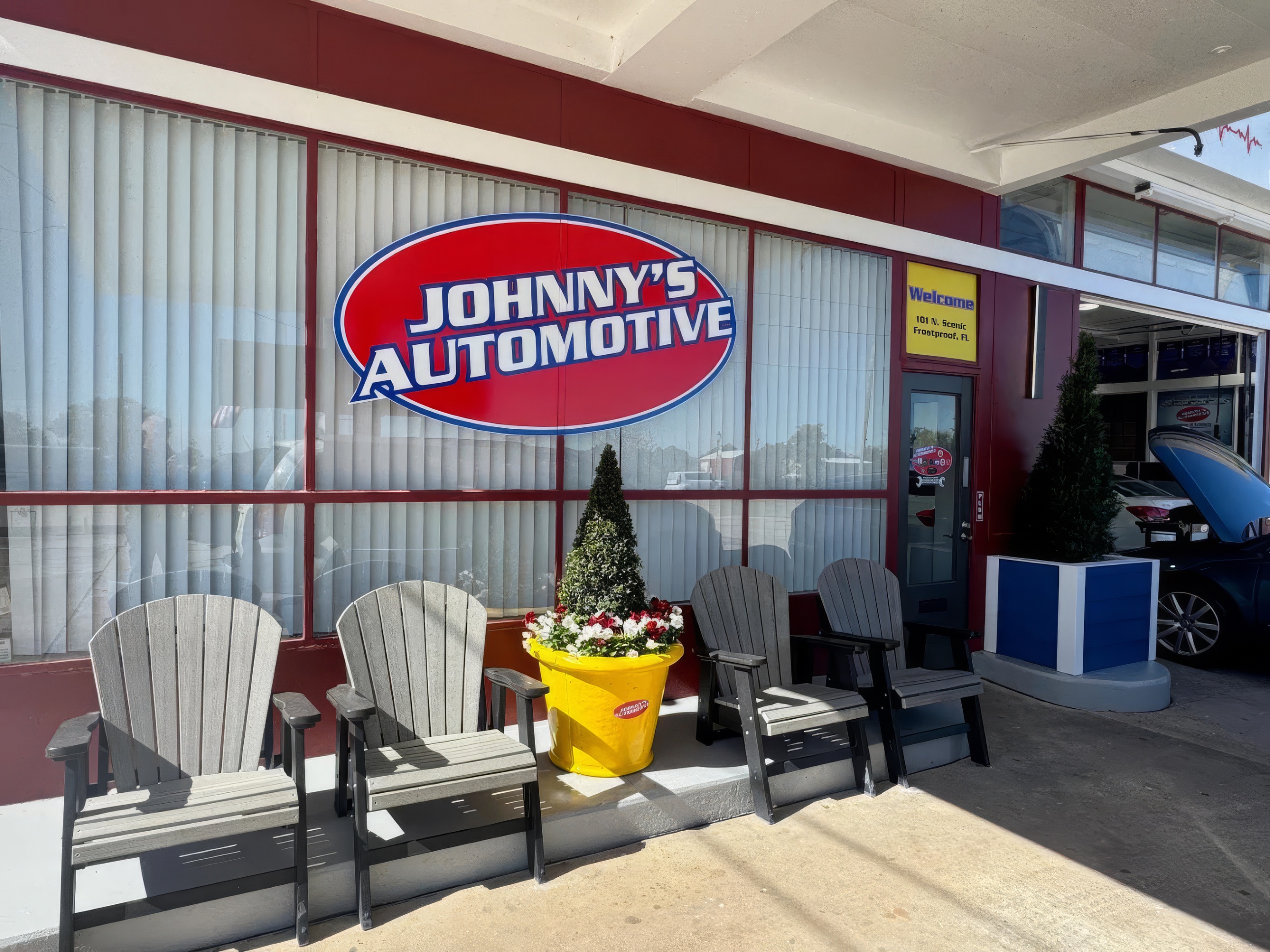
Frostproof, FL
4.8 (161) as of Oct 20264.8 out of 5, from 161 Google reviews, as of October 2026
101 North Scenic Highway
Mon to Fri, 7:30 AM to 5:30 PM
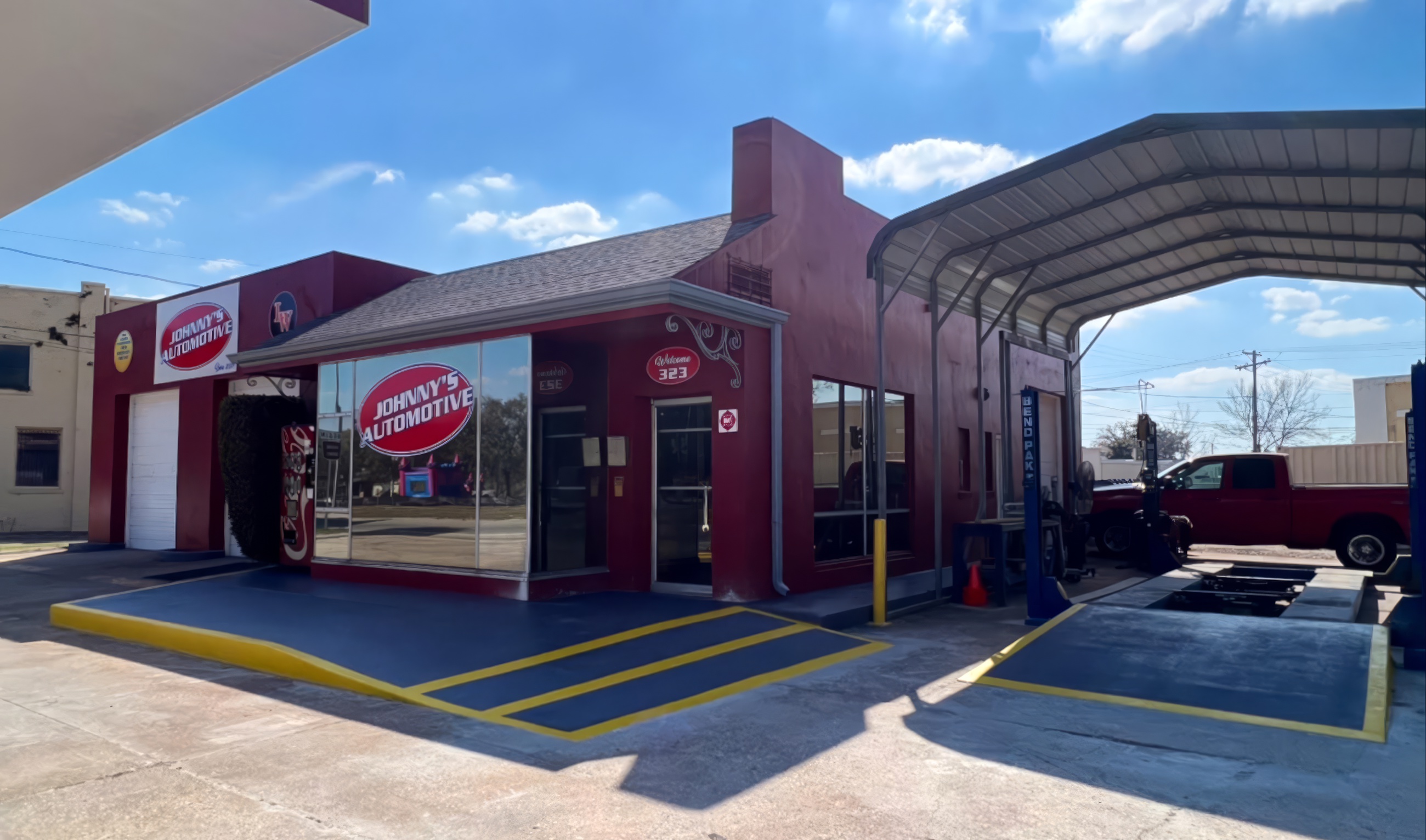
Lake Wales, FL
4.8 (537) as of Oct 20264.8 out of 5, from 537 Google reviews, as of October 2026
323 North Scenic Highway
Mon to Fri, 7:30 AM to 5:30 PM
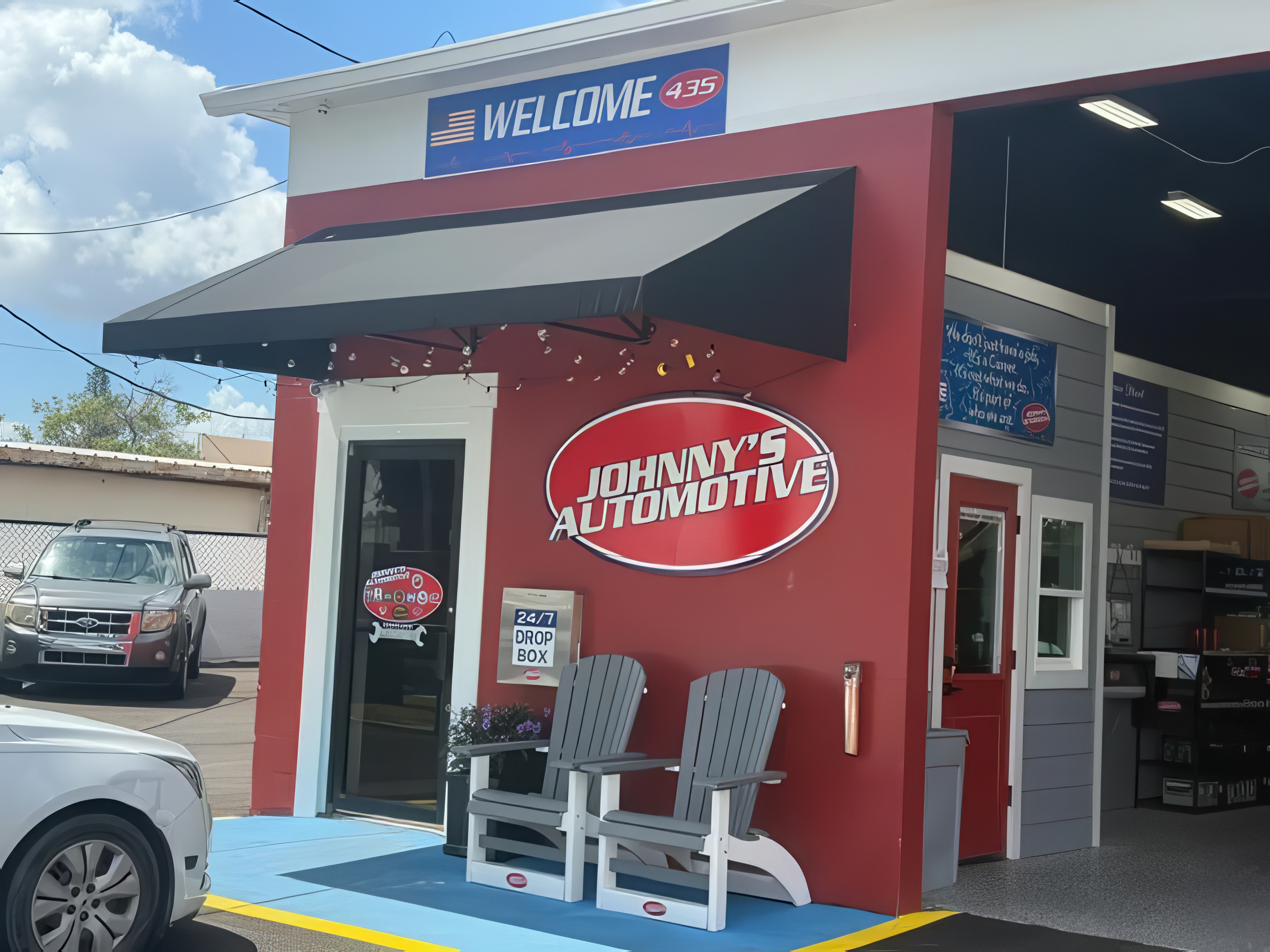
Sebring, FL
4.6 (170) as of Oct 20264.6 out of 5, from 170 Google reviews, as of October 2026
435 North Orange Street
Mon to Fri, 7:30 AM to 5:30 PM
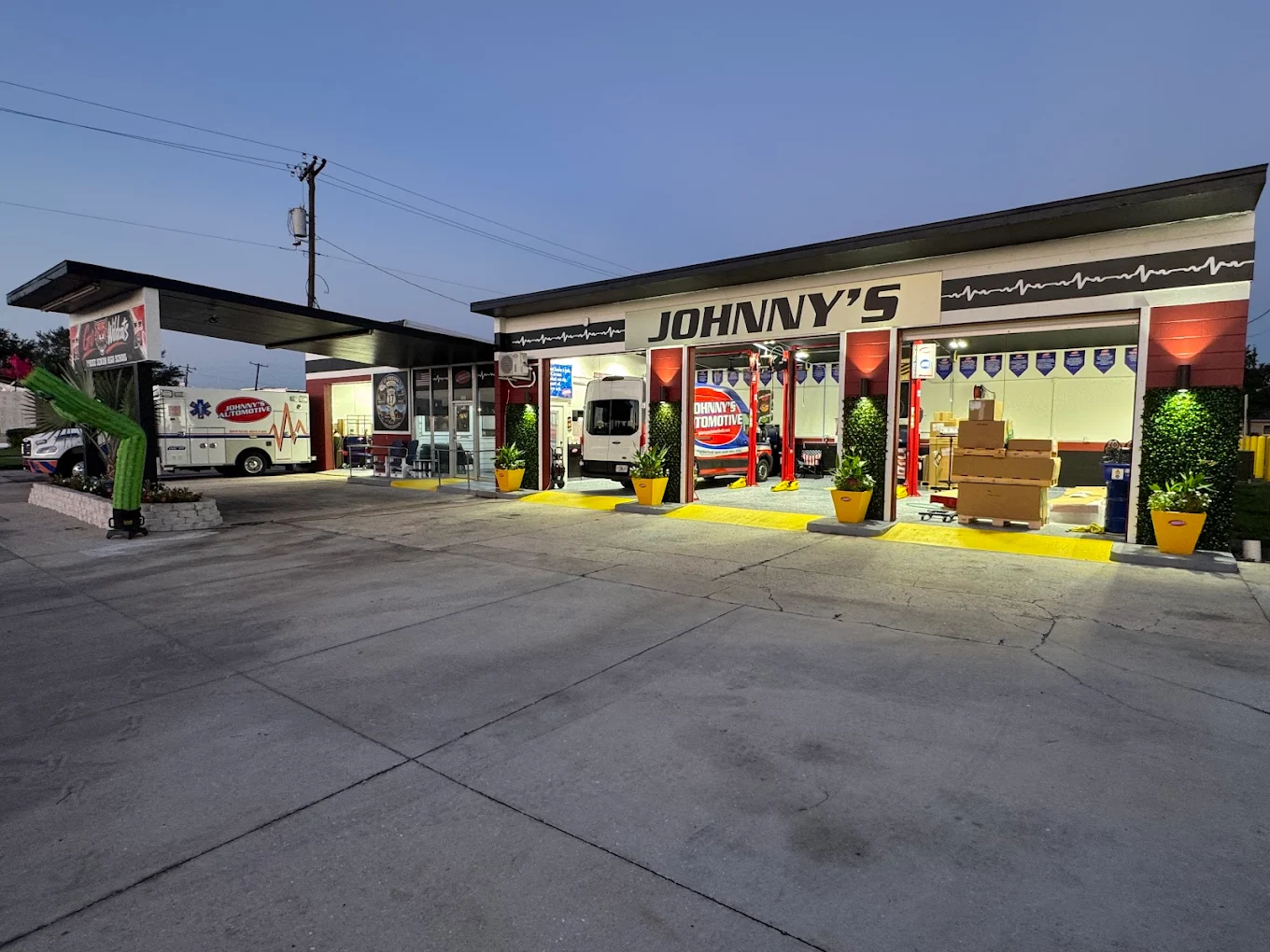
Wauchula, FL
4.9 (31) as of Oct 20264.9 out of 5, from 31 Google reviews, as of October 2026
201 North 6th Avenue
Mon to Fri, 7:30 AM to 5:30 PM
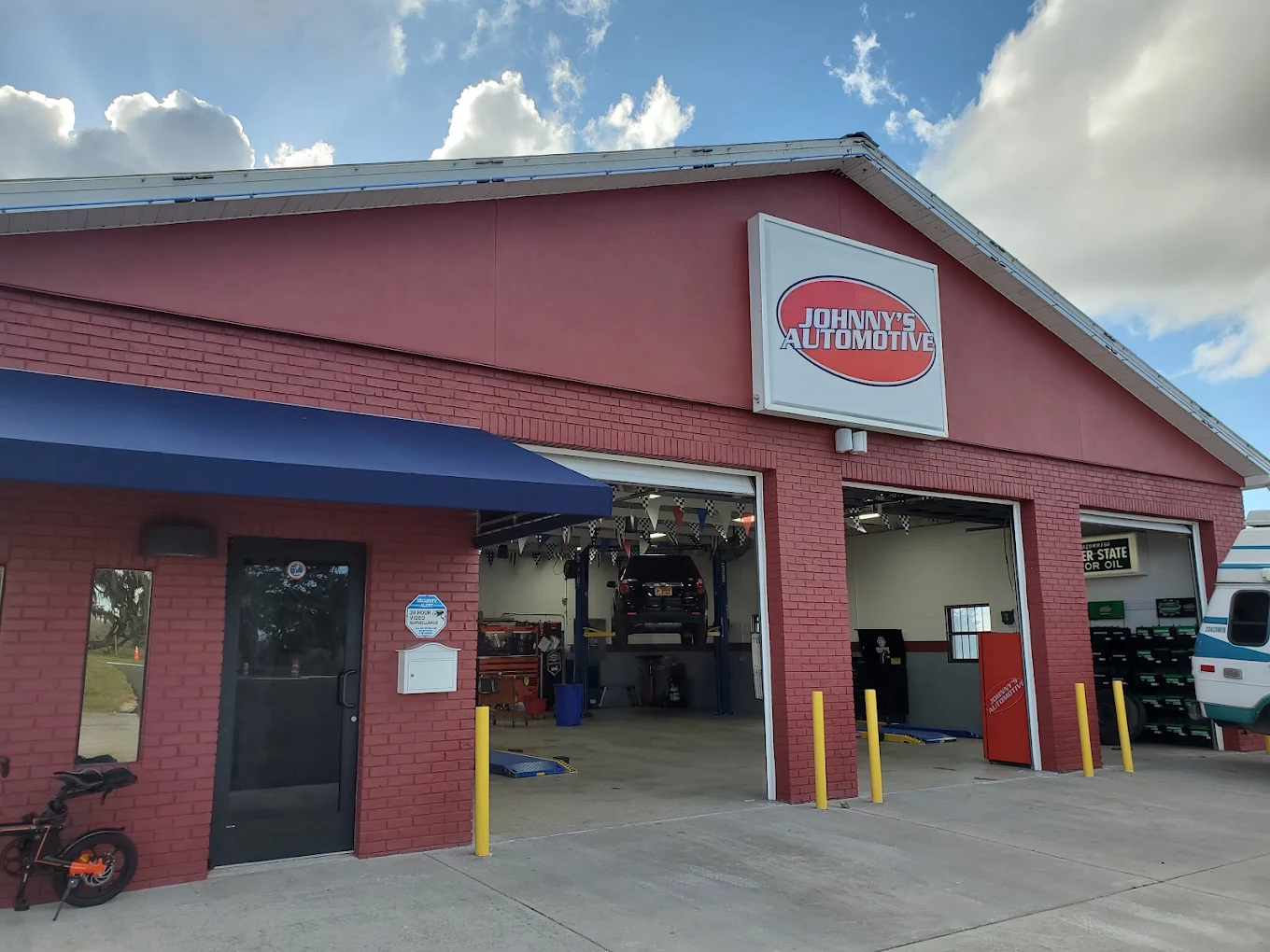
Winter Haven, FL
4.8 (586) as of Oct 20264.8 out of 5, from 586 Google reviews, as of October 2026
5100 Dundee Road
Mon to Fri, 7:30 AM to 5:30 PM
Problems we fix
Our experts diagnose and resolve any issue.
One loud click, then nothing
The solenoid engaged but the motor did not turn, or the current never made it there. A voltage drop test at the starter while cranking separates those two in a couple of minutes.
Fast repeated clicking when I turn the key
That rapid chatter is the solenoid trying to hold in and falling out because voltage is collapsing. It is a battery or cable connection issue far more often than a bad starter.
Starts fine cold, will not start after driving
Classic heat soak. A starter with marginal windings works at room temperature and cannot pull enough current once it has been baking under a hot engine.
Grinding or whirring but the engine does not turn
The drive gear is not engaging the flywheel the way it should. We also inspect the ring gear teeth, because chewed teeth cause the same noise and a new starter alone will not fix it.
Nothing at all, but the lights and radio work
Power is present, so the fault is somewhere in the start signal: ignition switch, relay, neutral safety or clutch switch, or the starter itself. We trace the signal from the key forward.
It cranks normally but will not start
Cranking at normal speed means the starter is doing its job. That is a fuel, spark, or compression problem, and replacing the starter would not change anything.
What customers say about our starter repair work
A life-long local resident recommended this specific shop for my vehicle as I just moved to Lake Wales Not familiar yet with providers of auto repair services. Towed my 20 yr old SUV here and was diagnosed a new Starter to get vehicle running and cured. Their courtesy shuttle took me home and picked me up before noon the next day. They found the new part and was installed within 24 hours! Five Stars experience I received So grateful.
Michael John
Verified Google Review
Had starter replaced last year at John auto with a two year guarantee. No fault of shop the starter failed this year. Called and dropped off car and next day new part arrived, was installed free of charge. A repair shop you can trust who stands behind their warranty.
Howard Bosley
Verified Google Review
At Johnny's automotive shop a place l found on the internet was the place to find. Mike and all the people l Dealt with we're nice friendly and very professional with my car. My starter cone nose had broken off into the engine and they went inside and got the pieces out and replace my starter. Everything checks out fine so far what a great job you guys thanks.
Eddie Smith
Verified Google Review
More auto repair services
Explore our other auto repair services.
Brake Repair
Squealing or grinding brakes? Complete brake inspection, pads, rotors, and fluid service for safe stopping power.
Learn moreBattery Service
Avoid getting stranded with professional battery testing, terminal cleaning, and replacement using reliable, warranty-backed batteries.
Learn moreEngine Repair
From minor fixes to major overhauls, our ASE-certified mechanics diagnose and repair engine problems of all types and complexities.
Learn moreStarter Repair questions, answered
Common questions about our starter repair.
How do you know it is the starter and not a weak battery?
A weak battery and a bad starter sound almost identical from the driver's seat, so we test the battery and cables before touching the starter. Then we measure voltage at the starter itself during a crank. If full voltage arrives and the motor still will not turn, the starter has earned the blame.
Someone told me to tap the starter with a hammer. Does that work?
Sometimes, and that is exactly the problem. Tapping can jar worn brushes back into contact for one more start, which tells you the starter is on its way out rather than fixing it. It is a way to get home once, not a repair to rely on.
Why does it only fail when the engine is hot?
Heat raises resistance in the windings and connections, so a starter that is already marginal cannot pull the current it needs once it is heat soaked. In Central Florida this shows up as a car that will not restart after errands but starts fine the next morning. It gets worse over time, not better.
Is it just the solenoid, or the whole starter?
On most vehicles today the solenoid is mounted to the starter and the two are serviced as one unit. A few designs allow the solenoid or contacts to be replaced separately. We will tell you which your vehicle takes and what the difference means before we start.
Can a bad starter drain my battery?
A failing starter draws more current than it should, which is hard on both the battery and the charging system, and a shorted one can pull current while the car is parked. That said, a battery that dies overnight is usually something else in the vehicle staying awake. If your battery keeps going flat while parked, that is a parasitic drain hunt rather than a starter job.
Request an Appointment
ASE Certified Technicians
ASE certified techs working on your vehicle
Flexible Drop-Off Hours
Convenient service options
20+ Years
2 decades of trusted service