

Tire Repair at Johnny's Automotive
A nail in the tread is often a fix. A nail in the sidewall isn't. We take the tire off the wheel, look at the inside, and tell you which one you've got.
Can a tire with a nail in it actually be repaired?
Not every puncture can be repaired, and the difference isn't a matter of opinion. Industry repair standards draw a boundary around the tread face, the flat part of the tire that actually meets the road. A puncture inside that area, small enough and entering at a reasonable angle, is usually repairable. Once the injury is out on the shoulder or in the sidewall, it isn't. Those parts of a tire flex with every rotation, and nothing you put in them stays sealed under that kind of movement.
A real repair happens from the inside, with the tire off the wheel. That's the only way to see the inner liner, which is where the evidence lives. A tire driven low or flat can be shredded on the inside while the outside still looks perfect. Once it's clean in there, the injury gets filled and the liner gets sealed with a combination plug and patch: the plug keeps water off the steel belts, the patch holds the air.
A rope plug pushed in from the outside is a different thing. It's a get-home measure, and a good one when you're on the shoulder of US 27 and need to be somewhere safer. What it doesn't do is let anyone inspect the inside or seal the liner, so it isn't the end of the story. Bring it by and we'll take the tire apart and find out what's really going on in there.
When a tire can't be saved, we say so plainly. Sidewall punctures, cuts, bulges, damage from running it flat, and injuries that overlap an old repair all land on that side of the line. A bad sidewall repair doesn't fail in the parking lot, it fails at highway speed with your family in the car, and that isn't a gamble worth taking to save a tire.
Central Florida gives tires plenty of chances. Construction debris on the widening projects, screws and staples off work trucks, and a wave of roofing nails on neighborhood streets every time storm season puts crews back on roofs.
Tire Repair in our service areas
1 recent job across 1 city by our technicians.
Choose your shop
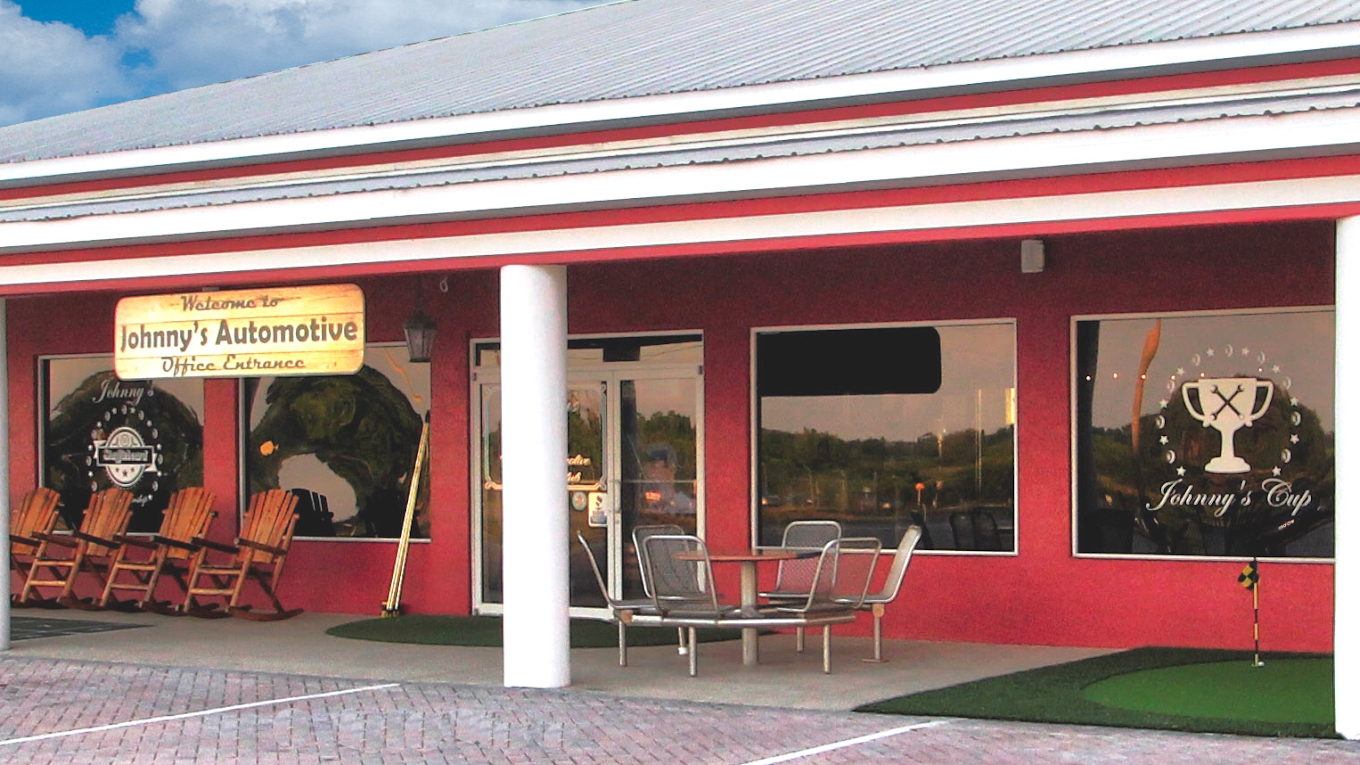
Haines City, FL
4.8 (2,061) as of Oct 20264.8 out of 5, from 2,061 Google reviews, as of October 2026
31600 U.S. 27
Mon to Fri, 7:30 AM to 5:30 PM
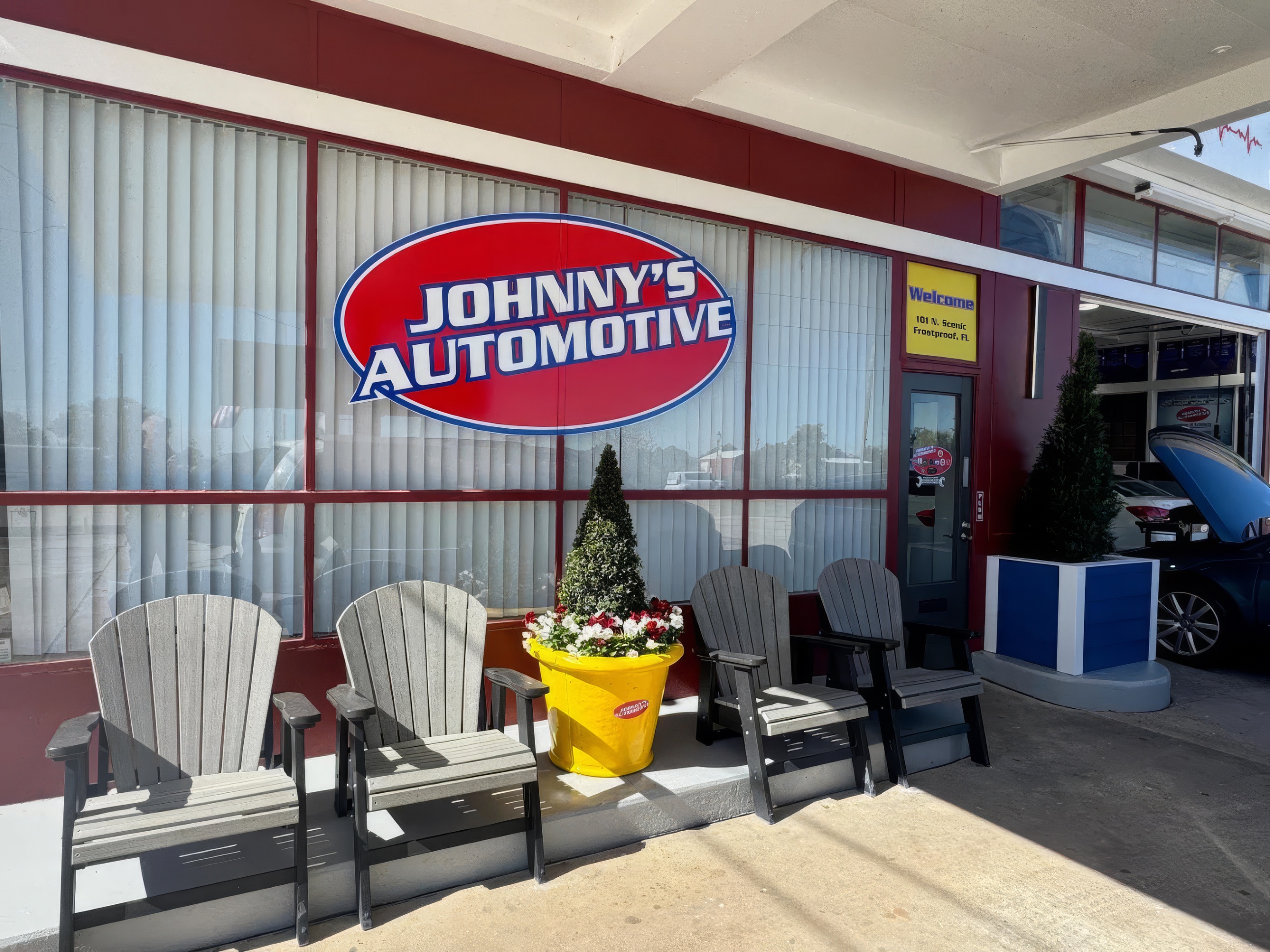
Frostproof, FL
4.8 (162) as of Oct 20264.8 out of 5, from 162 Google reviews, as of October 2026
101 North Scenic Highway
Mon to Fri, 7:30 AM to 5:30 PM
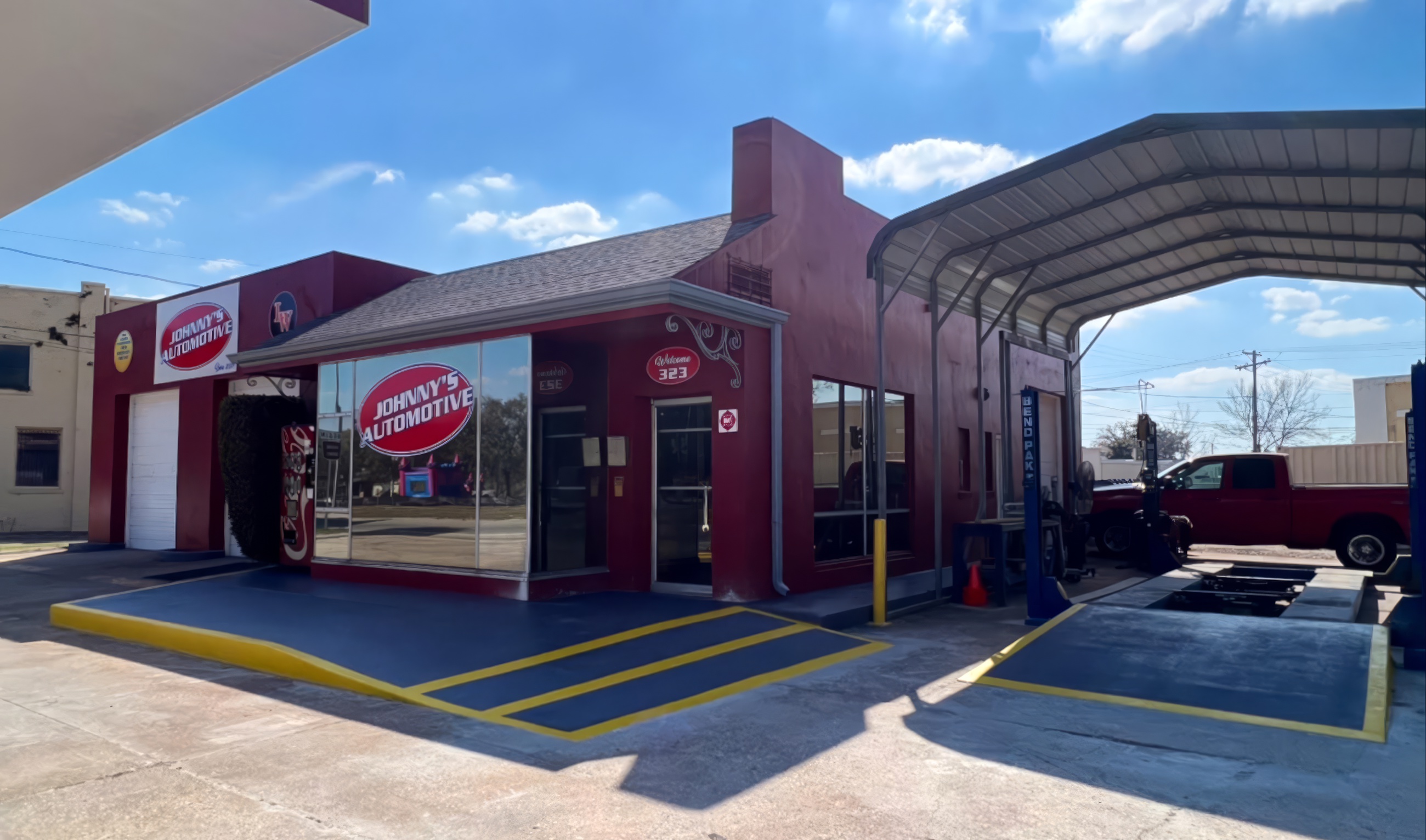
Lake Wales, FL
4.8 (538) as of Oct 20264.8 out of 5, from 538 Google reviews, as of October 2026
323 North Scenic Highway
Mon to Fri, 7:30 AM to 5:30 PM
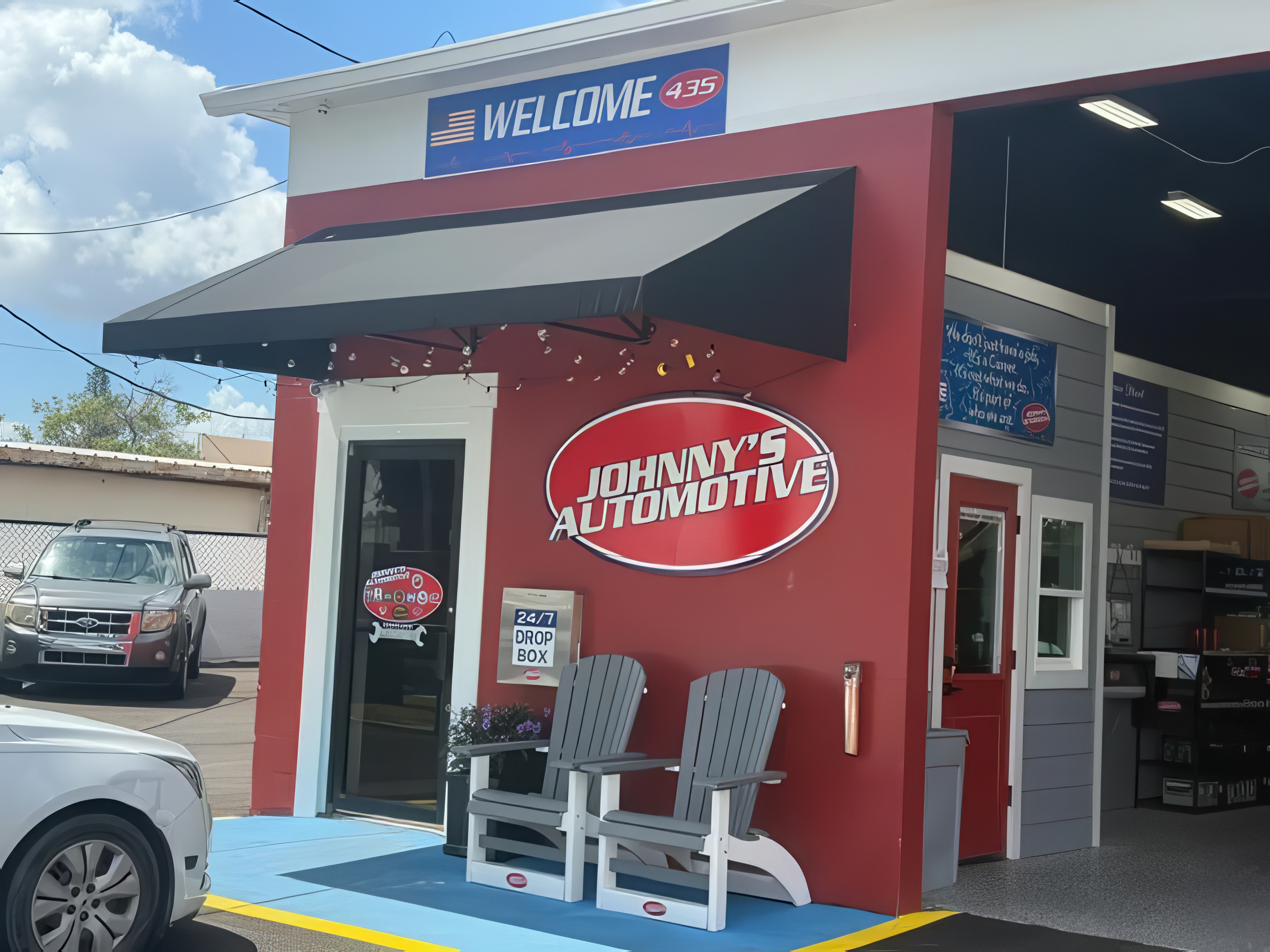
Sebring, FL
4.6 (171) as of Oct 20264.6 out of 5, from 171 Google reviews, as of October 2026
435 North Orange Street
Mon to Fri, 7:30 AM to 5:30 PM
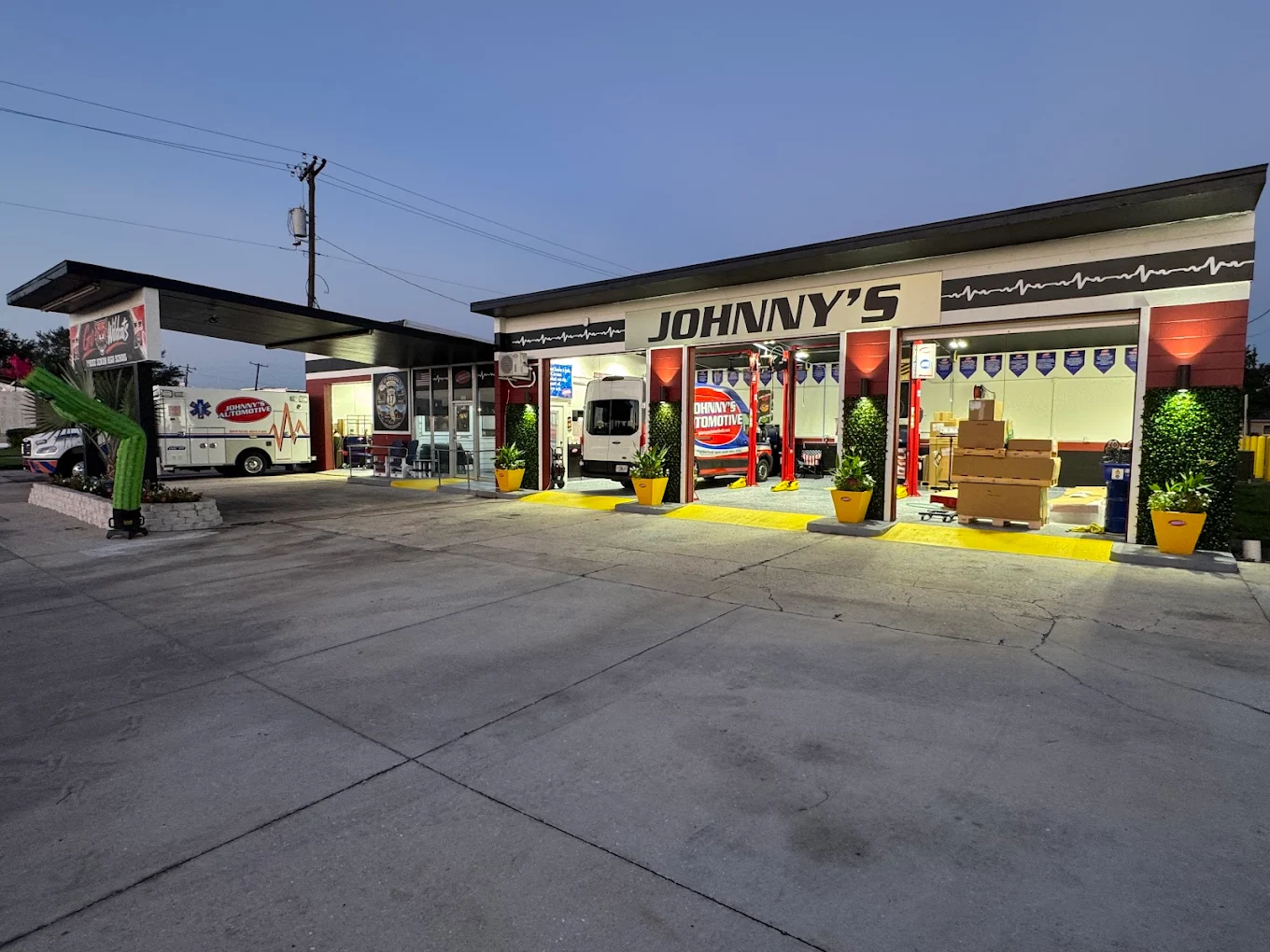
Wauchula, FL
4.9 (31) as of Oct 20264.9 out of 5, from 31 Google reviews, as of October 2026
201 North 6th Avenue
Mon to Fri, 7:30 AM to 5:30 PM
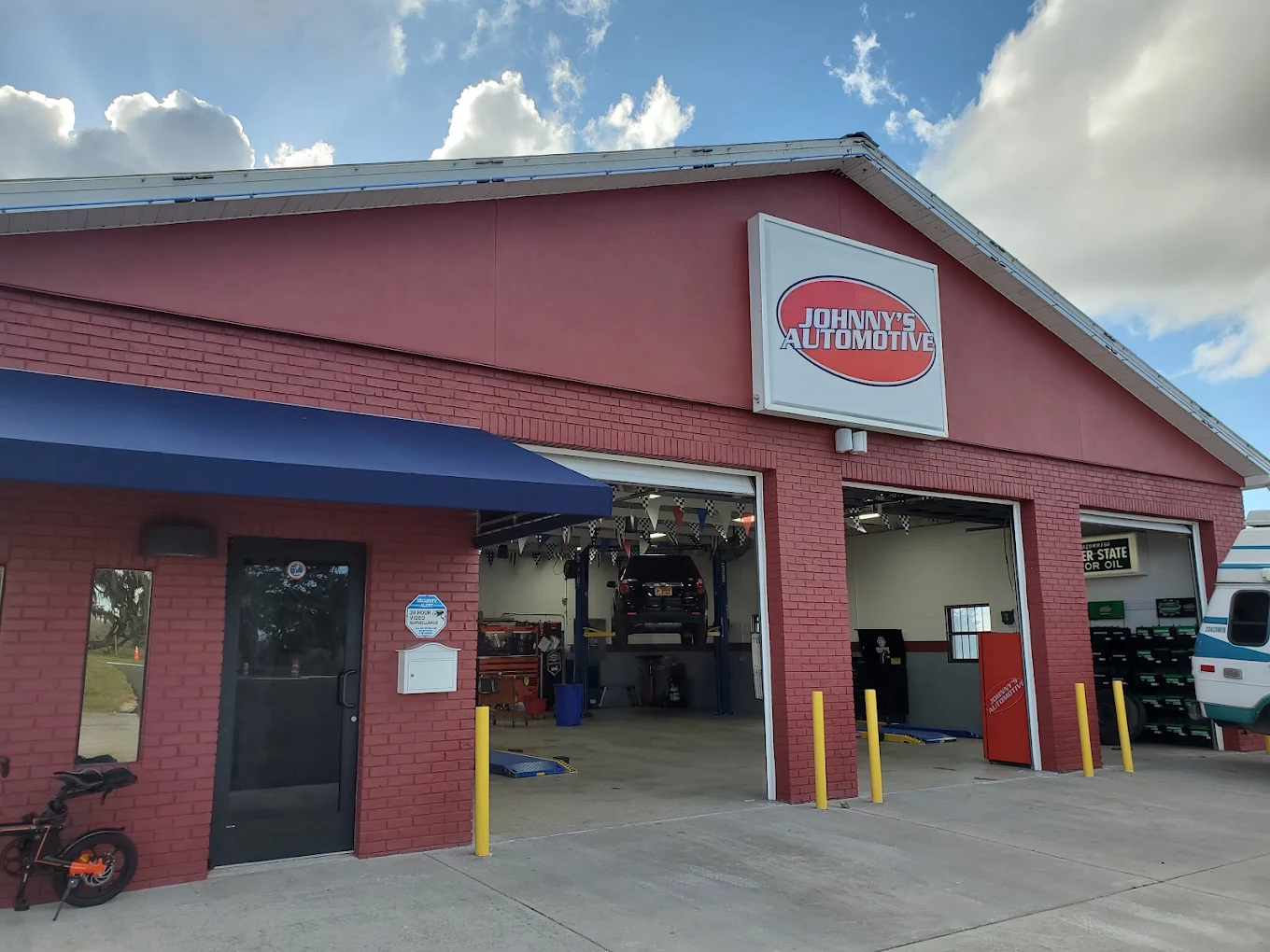
Winter Haven, FL
4.8 (586) as of Oct 20264.8 out of 5, from 586 Google reviews, as of October 2026
5100 Dundee Road
Mon to Fri, 7:30 AM to 5:30 PM
Problems we fix
Our experts diagnose and resolve any issue.
There's a screw in the tread and it's still holding air
This is the best case and the most common one we see. Leave the screw in place, since pulling it out just opens the leak, and drive it in. If it landed in the tread face and went in reasonably straight, it usually comes back to you repaired.
The tire drops a few pounds every week and I keep topping it off
A slow leak is still a leak, and refilling it is just paying rent on the problem. It could be a small puncture that's partly sealing itself, or it could be the valve stem or the rim. It gets dismounted and checked either way.
Somebody plugged it on the roadside and now it's seeping again
That plug did what it was supposed to do, which was get you off the shoulder. Now the tire needs to come off the wheel so the inner liner can be inspected and sealed properly, if the injury is in a spot that allows it.
I hit something and there's a bubble in the sidewall
A bulge means the cords inside the sidewall have broken and only air pressure is holding that shape. There's no repair for it, and it doesn't get better with time. Get the vehicle to us or put the spare on.
I picked up a nail right after the roof crew left the neighborhood
Storm season means re-roofs, and re-roofs mean nails in the street for weeks afterward. Roofing nails are short and blunt, which often works in your favor, since they tend to land in the tread face rather than the shoulder.
The tire was driven flat for a mile or two before anyone noticed
The outside can look fine after that and the inside rarely is. Running on no air folds the sidewall against itself and tears up the liner, so this one gets judged on what the inside looks like, not on the size of the hole.
What customers say about our tire repair work
I had my oil changed and my tire patched. Everything was smooth and the customer service was excellent! 5 Stars!
Joshua Dial
Verified Google Review
Stopped in without an appointment, nail in tire. Took me right away and had me back on the road in less than 10 mins. Very personable and professional staff. I will be back in the future. Thank you!
Tovah Lukken
Verified Google Review
Had an early morning nail in tire on the way out of town for a baseball tournament. Sensor light kept us from getting on SR 60 with confidence. Did a quick U-turn to hopefully find a nearby open garage at 7:15 am. Johnny's was rolling up their doors before 7:30 a.m. MJ got us fixed up in under 5 minutes. The stars aligned & we are SO VERY GRATEFUL for establishments like this!!! We will be on time to our game in Ft. Pierce! Thank you MJ!!!!
Jenn DeWitt
Verified Google Review
Our out-of-town quests ended up with a slow leak in a tire. Johnny's said bring it in. We were in and out of there in 10 minutes! They charged nothing for the repair. Great people!
Dick Day
Verified Google Review
I had an amazing experience at this shop today! I came in with a slow leak in my tire and, even though they were busy, they took care of me right away. The shop is incredibly clean and the staff is professional and kind. They fixed my tire and wouldn't even charge me! They even offered me a soda while I waited with my service dog. I can't recommend them enough. Honest, fast, and friendly service. Thank you so much!
Sylvie Michaud
Verified Google Review
This team didn’t just fix the problem the car came in with, they made sure my daughter’s car was safe to drive since she is so far away from home in college. Fixing an issue with the rear tire as well that wasn’t even part of why we originally brought it in. This was a safety issue and I’m so thankful they found it. Not only that but they fixed a problem other well known places couldn’t. They added a special touch which was so very sweet (see picture)
Lady J
Verified Google Review
More tires and wheels services
Explore our other tires and wheels services.
Tire Repair questions, answered
Common questions about our tire repair.
What makes a puncture repairable or not?
Three things, and all of them get checked with the tire off the wheel: where the injury is, meaning inside the tread face rather than out on the shoulder or sidewall, how big it is, and what angle it went in at. A nail that traveled sideways under the tread does more damage than the hole suggests. Repair standards set those limits, not us, and we'll show you where yours falls.
Is a patch better than a plug?
The right repair uses both, as one piece. A plug alone fills the hole but doesn't seal the inner liner, so moisture can still work its way to the steel belts and rust them from the inside. A patch alone seals the liner but leaves the injury channel open. The combination unit does both jobs, which is why it's the standard.
Can the same tire be repaired more than once?
Sometimes, as long as the injuries are separated from each other and each one is in the repairable area on its own. What we won't do is put a new repair on top of or overlapping an old one, because you can't reliably seal a patch to a patch. If a tire is collecting punctures, that's usually a road or a jobsite problem worth talking about.
Can you repair a run flat tire?
It depends on the manufacturer, and they don't all agree. Some allow repair under specific conditions, and others say no once the tire has been driven on with low or no pressure. We check what the maker of your specific tire allows and inspect the inside for the heat damage that running flat causes. If it's outside what the manufacturer permits, we'll tell you that instead of guessing.
Will a properly repaired tire hold up at highway speed?
Yes, when the injury was in the repairable area and the repair was done from the inside with the tire dismounted. That's the entire reason the standards exist. The tires that come apart on the interstate are the ones repaired outside those limits, or the ones with an outside plug jammed into a sidewall.
Request an Appointment
ASE Certified Technicians
ASE certified techs working on your vehicle
Flexible Drop-Off Hours
Convenient service options
20+ Years
2 decades of trusted service