

Custom Wheels at Johnny's Automotive
Brian and Niki built race cars before they built shops, so wheels are close to home. We source and fit sets that actually fit: offset, bore, load rating, clearance.
How do I know a set of wheels will actually fit my vehicle?
Brian and Niki were building race cars before they opened the first shop in 2006, so wheels are close to home here. Getting a set on a car correctly is a job they've been doing a long time, and most of that job happens before anything gets ordered.
Bolting on and fitting are two different things. The bolt pattern is the easy part, and it's the part most people check. Offset decides where the wheel sits in the fender well, and getting it wrong is how you end up with rubbing at full lock or over a bump. The center bore has to match your hub, or the wheel isn't centered the way the engineers intended and you can chase a vibration that never fully goes away. Load rating matters on trucks and anything that tows, because a wheel rated for a sedan has no business under a loaded half ton. And brake clearance is real, especially on newer vehicles with larger calipers.
Plus-sizing is a trade, and it's worth understanding before you spend the money. A bigger wheel with a shorter sidewall looks sharper and usually feels more planted through a corner. What you give up is ride comfort, since the sidewall is the part doing the cushioning, and you take on more risk from road damage. Florida roads have real potholes, and a low profile tire leaves the wheel a lot less to hide behind.
Your pressure sensors usually carry over to the new wheels. When they don't fit the new hardware or they're near the end of their life, new sensors go in and the system gets relearned so the dash reads right. We'll tell you which situation you're in before you commit to anything.
We don't run a showroom full of wheels. We source the set for your vehicle, get it in, then mount, balance, and torque it properly. If what you're picturing won't work on your car, we'd rather have that conversation before the box shows up than after.
Choose your shop
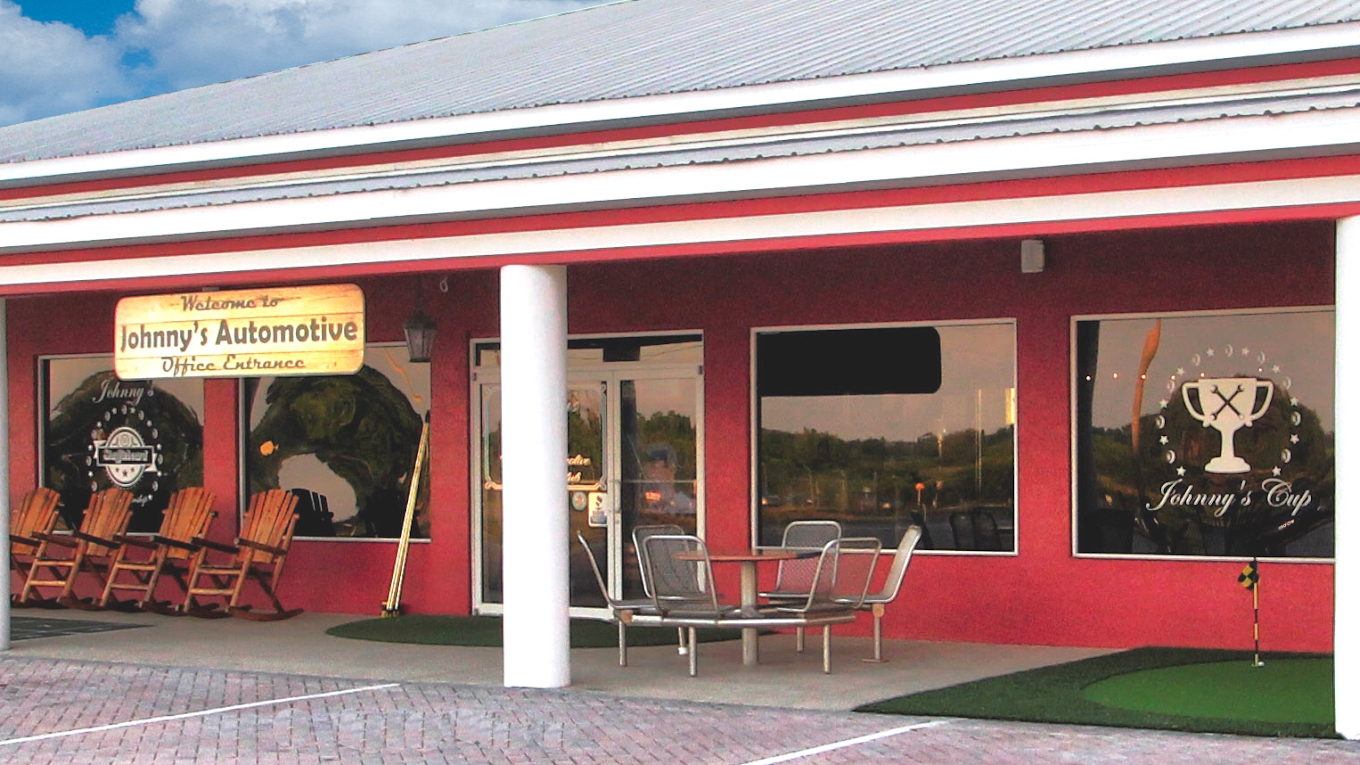
Haines City, FL
4.8 (2,060) as of Oct 20264.8 out of 5, from 2,060 Google reviews, as of October 2026
31600 U.S. 27
Mon to Fri, 7:30 AM to 5:30 PM
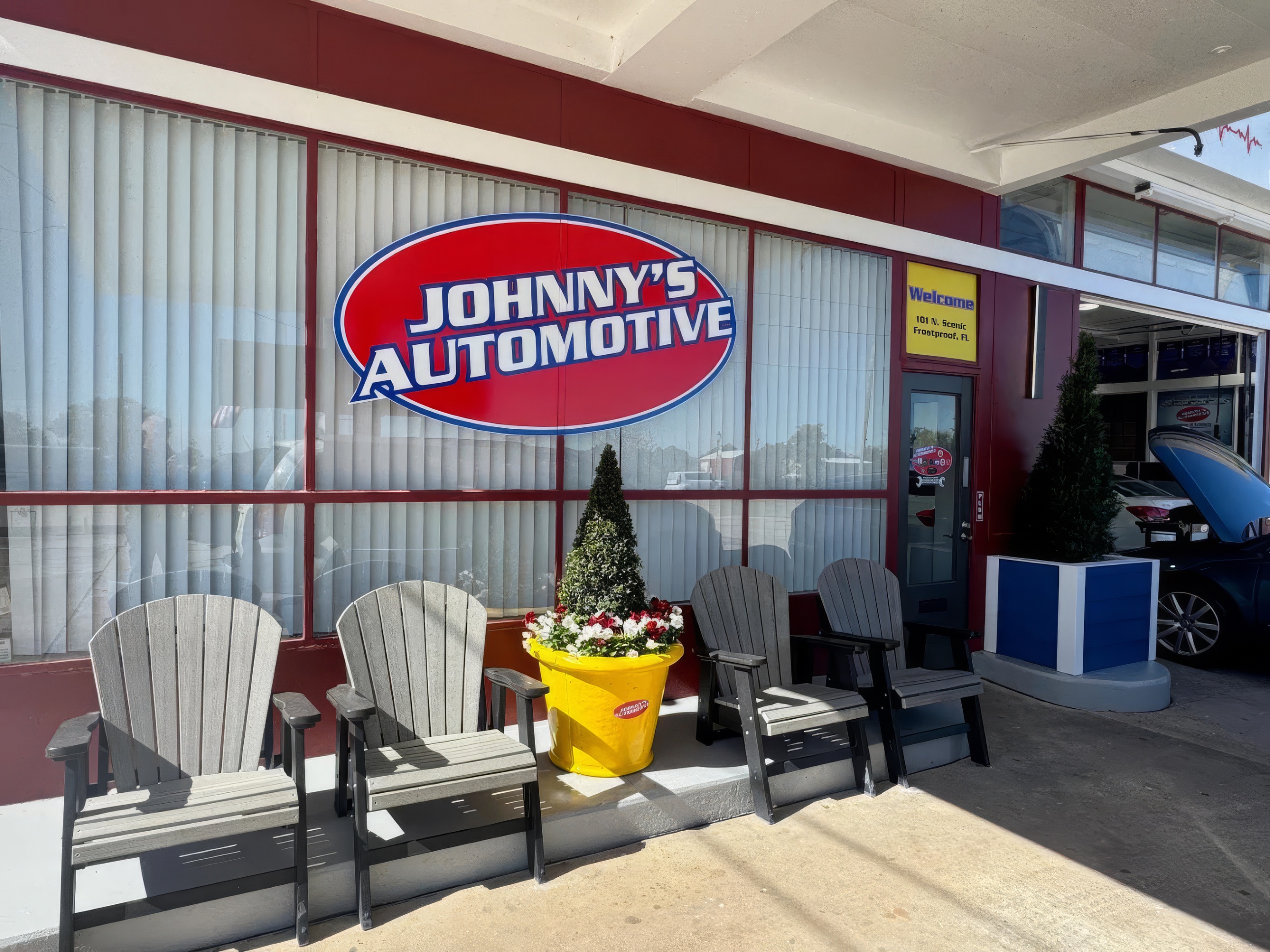
Frostproof, FL
4.8 (161) as of Oct 20264.8 out of 5, from 161 Google reviews, as of October 2026
101 North Scenic Highway
Mon to Fri, 7:30 AM to 5:30 PM
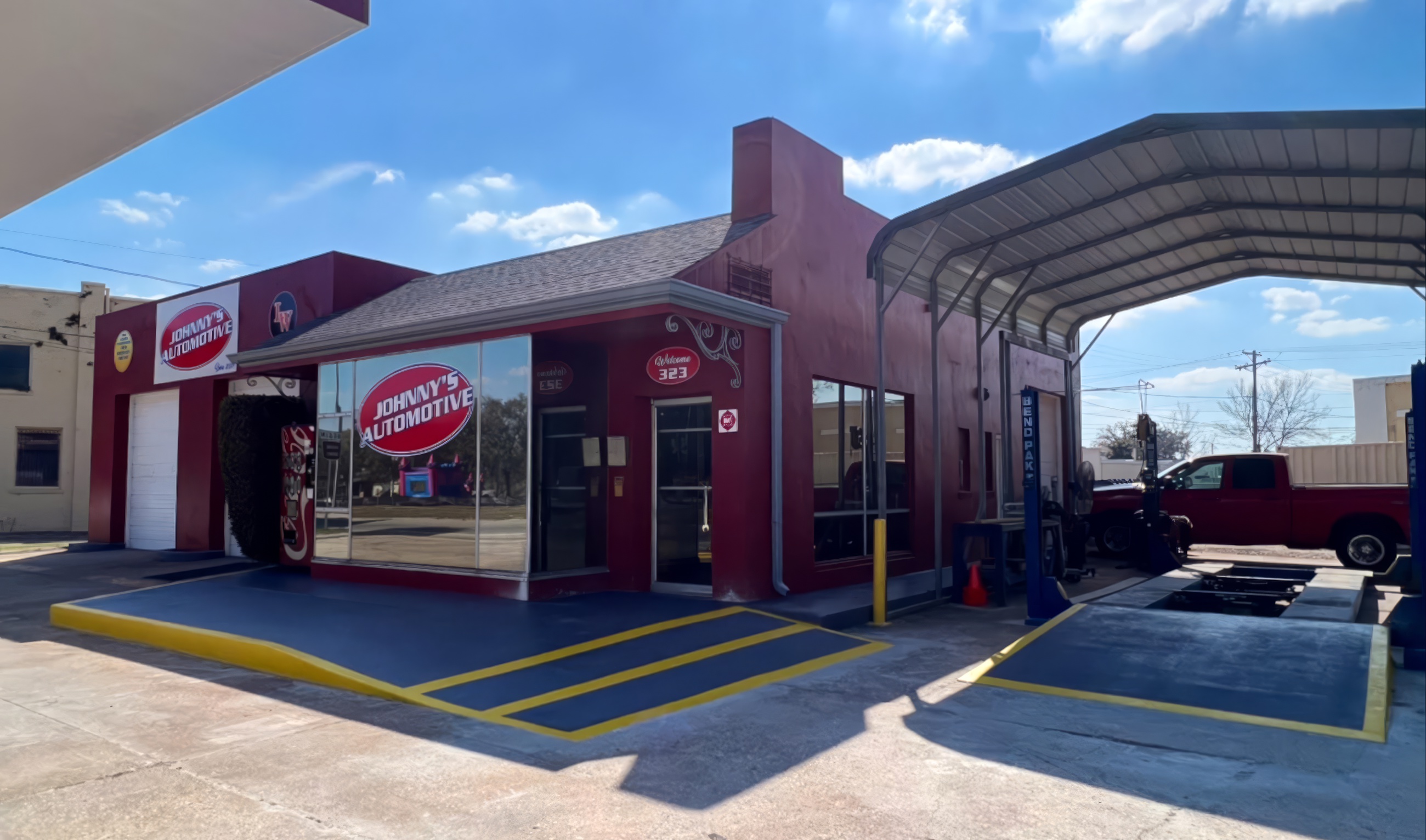
Lake Wales, FL
4.8 (537) as of Oct 20264.8 out of 5, from 537 Google reviews, as of October 2026
323 North Scenic Highway
Mon to Fri, 7:30 AM to 5:30 PM
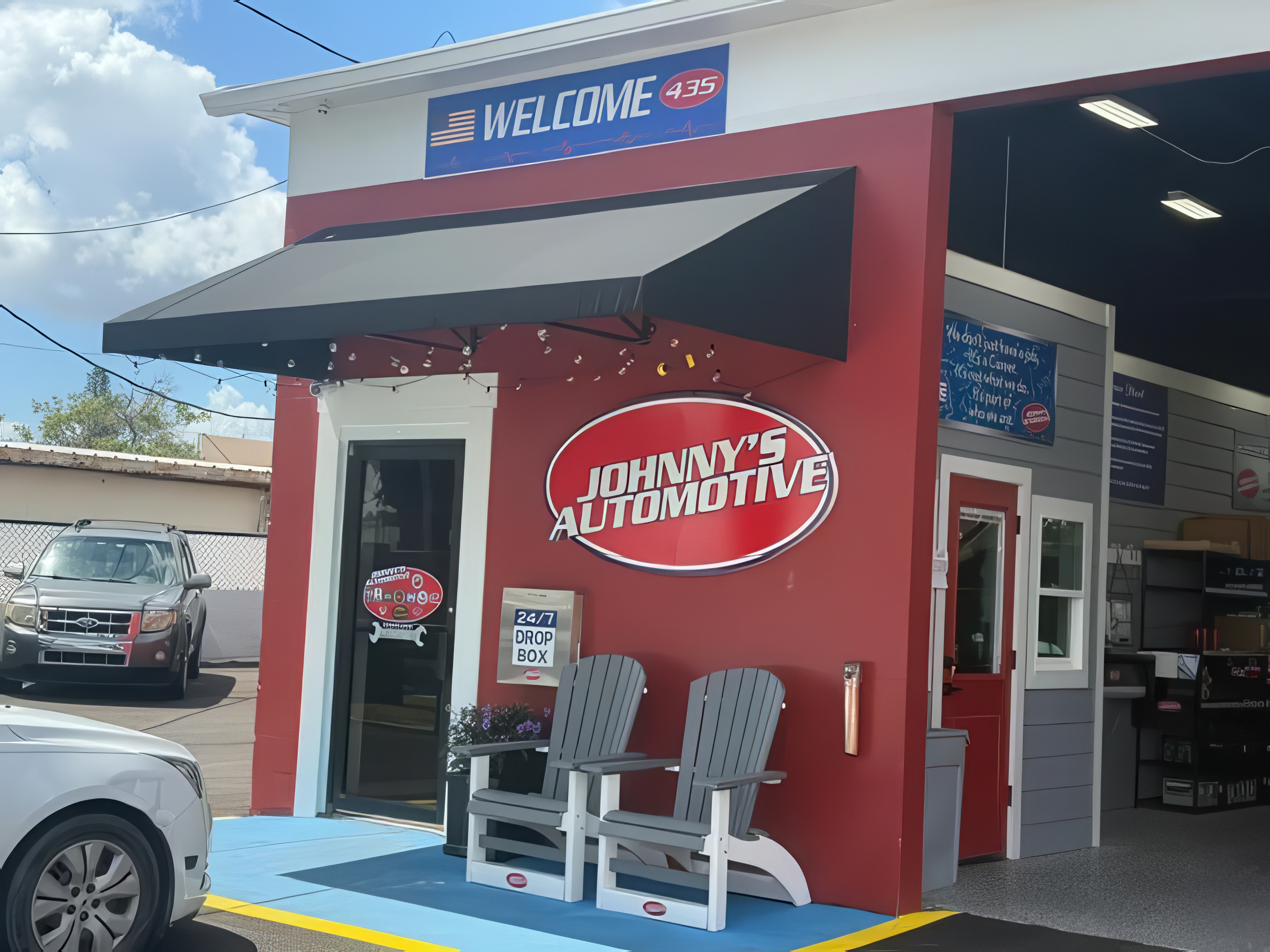
Sebring, FL
4.6 (170) as of Oct 20264.6 out of 5, from 170 Google reviews, as of October 2026
435 North Orange Street
Mon to Fri, 7:30 AM to 5:30 PM
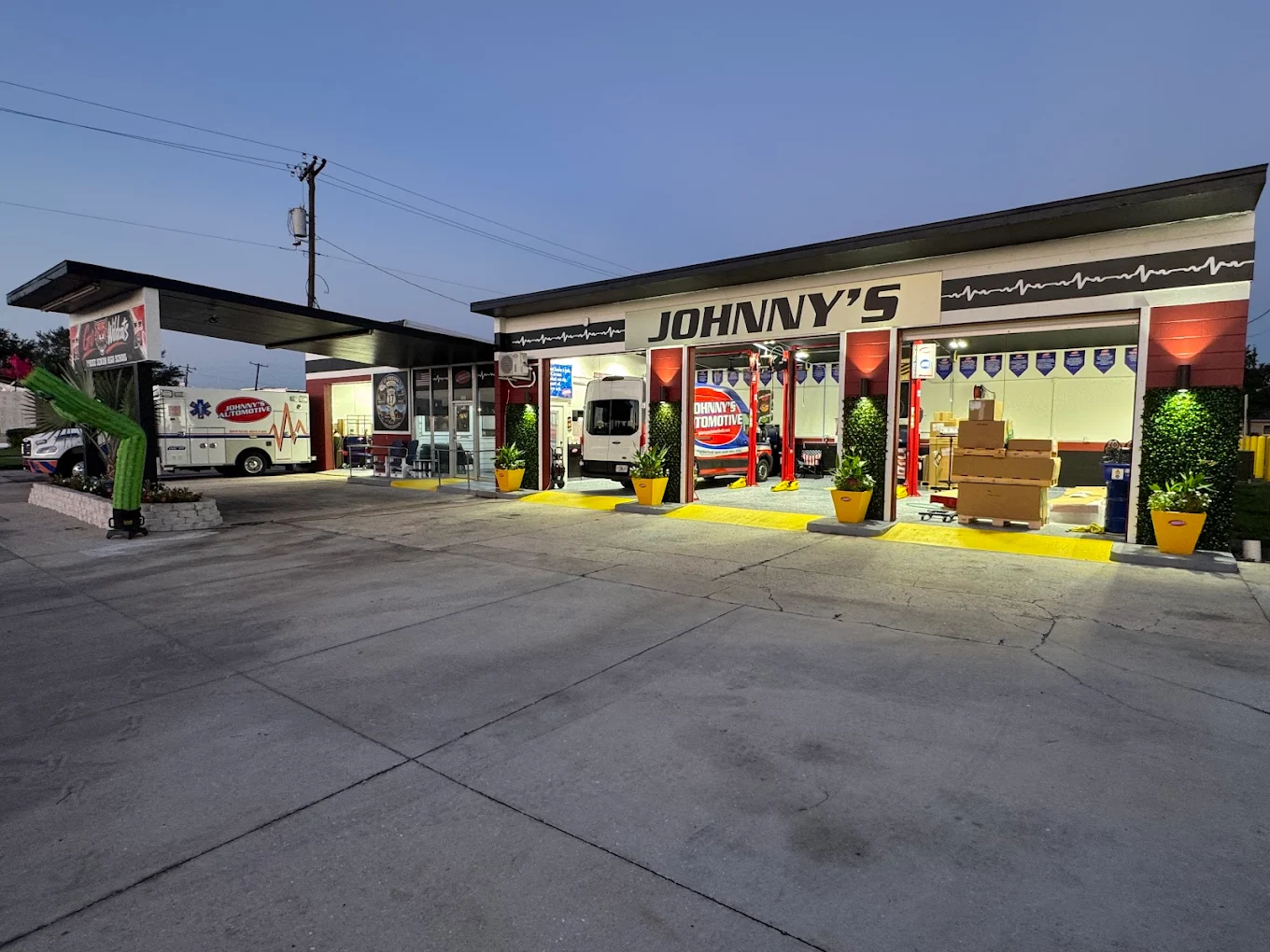
Wauchula, FL
4.9 (31) as of Oct 20264.9 out of 5, from 31 Google reviews, as of October 2026
201 North 6th Avenue
Mon to Fri, 7:30 AM to 5:30 PM
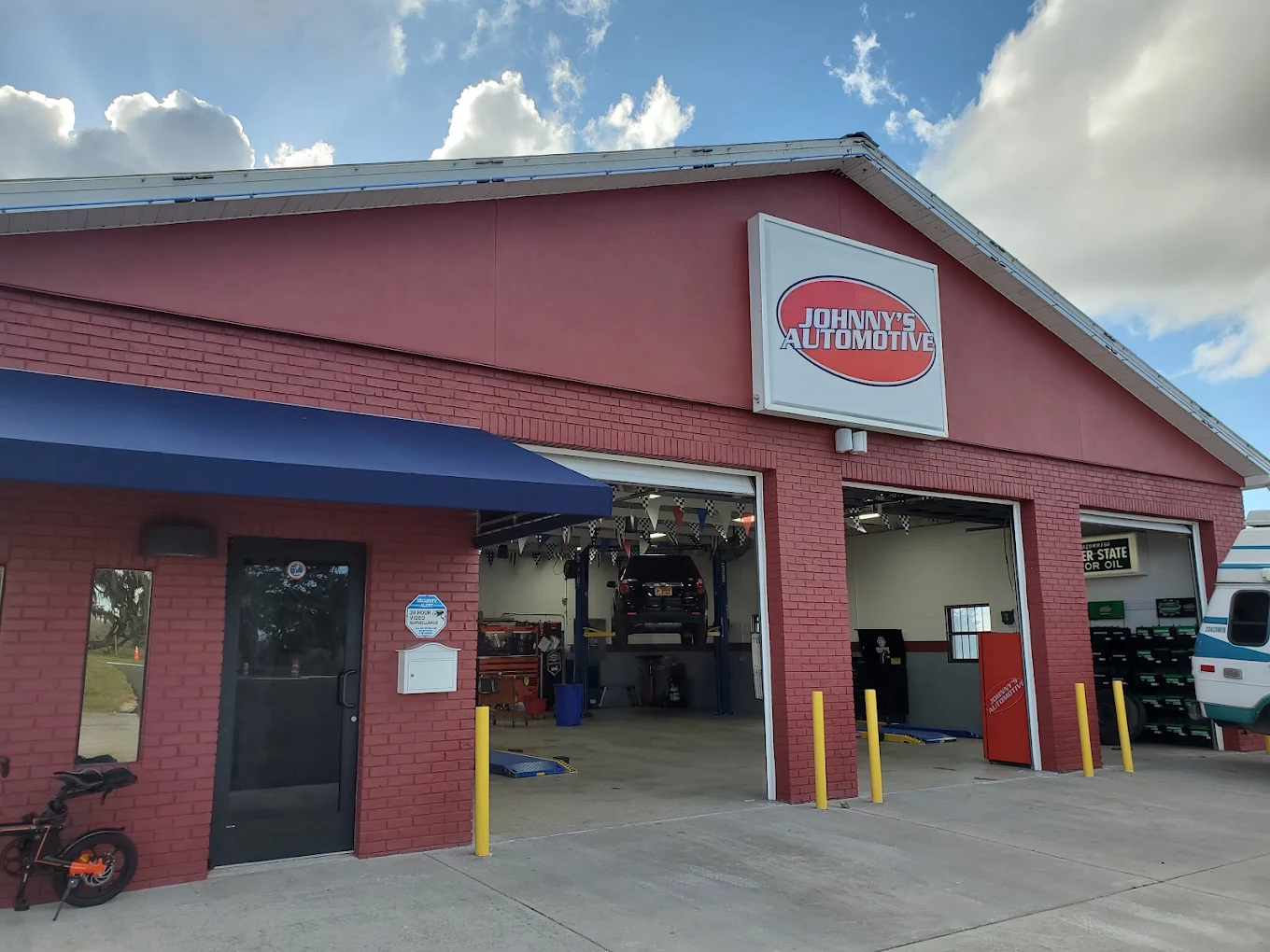
Winter Haven, FL
4.8 (586) as of Oct 20264.8 out of 5, from 586 Google reviews, as of October 2026
5100 Dundee Road
Mon to Fri, 7:30 AM to 5:30 PM
Problems we fix
Our experts diagnose and resolve any issue.
Wheels that bolt on but rub at full lock
The bolt pattern matched, so they went on. Then the tire touches a fender liner or a strut on a tight turn or over a bump. That's an offset and width problem, and it gets sorted before ordering.
A vibration nothing seems to cure
When the center bore doesn't match the hub, the wheel is being held in place by the lugs instead of centered on the hub. It can feel like a balance problem that never quite goes away.
Wheels that aren't rated for the work the truck does
Towing and hauling put real load through the wheel. A set that looks right on a half ton but carries a passenger car load rating is the wrong part for the job, no matter how good it looks.
Pressure light on after the new set goes on
Sensors either transfer over, get replaced, or need the system relearned to the new positions. Skipping that step leaves you with a warning light on a brand new set of wheels.
The ride got harsh after going bigger
Shorter sidewall means less cushion between you and the road. It's a normal consequence of plus-sizing, not a defect, and it's the part we'd rather explain before the purchase than after.
Brake calipers that won't clear the spokes
Larger factory brakes on newer vehicles need room behind the spokes. A wheel that clears on one trim of the same model won't always clear on another, so it gets checked against your specific vehicle.
More tires and wheels services
Explore our other tires and wheels services.
Custom Wheels questions, answered
Common questions about our custom wheels services.
Do you stock wheels in the shop?
No, and we'd rather be straight about that. We're a repair shop, not a wheel showroom. We work out what fits your vehicle, source the set, and do the mounting, balancing, and torquing here.
What does offset mean and why does it matter?
Offset is where the mounting face sits relative to the centerline of the wheel, which decides how far in or out the wheel sits in the fender well. Get it wrong and the tire rubs, or the wheel sticks out past the fender. It's the number that most often turns a bolt-on set into a problem.
Will my tire pressure sensors work with new wheels?
Usually yes, they transfer over. Sometimes the sensor doesn't fit the new wheel's valve hole or the sensor is old enough that it makes sense to replace it while everything is apart. Either way the system gets relearned so the dash reads correctly.
Will bigger wheels ruin my ride quality?
Ruin is a strong word, but you will feel more of the road. The taller the wheel, the shorter the sidewall, and the sidewall is what absorbs impacts. On rougher roads a moderate step up is usually the sweet spot between looks and livability.
Can I put my current tires on the new wheels?
Only if the new wheels are the same diameter and a compatible width. Going up in wheel size means new tires, since the tire has to get shorter to keep the overall height close to stock and keep your speedometer honest.
Request an Appointment
ASE Certified Technicians
ASE certified techs working on your vehicle
Flexible Drop-Off Hours
Convenient service options
20+ Years
2 decades of trusted service